
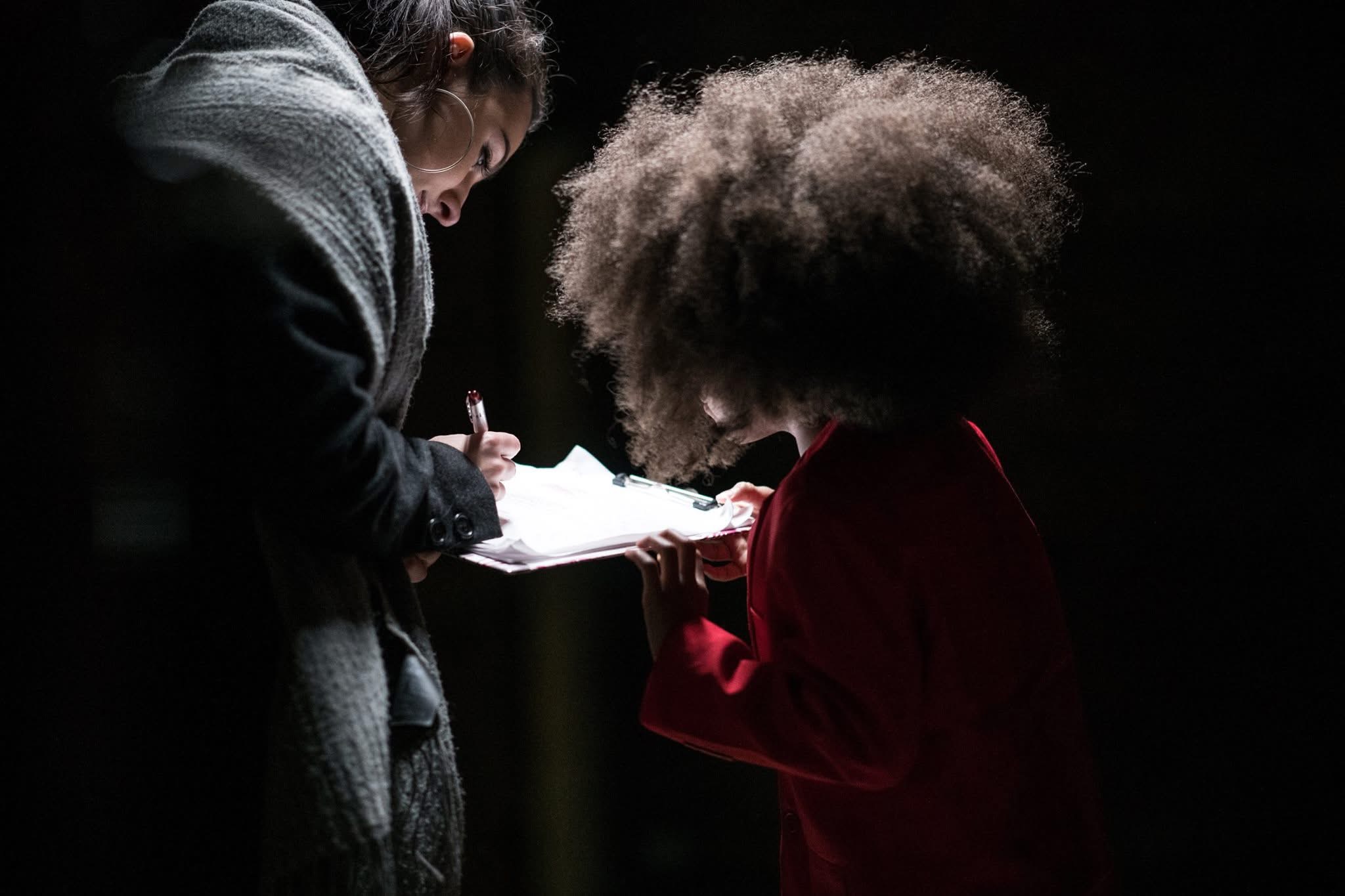
Today we’d like to introduce you to Wynter Rhys.
Hi Wynter, so excited to have you with us today. What can you tell us about your story?
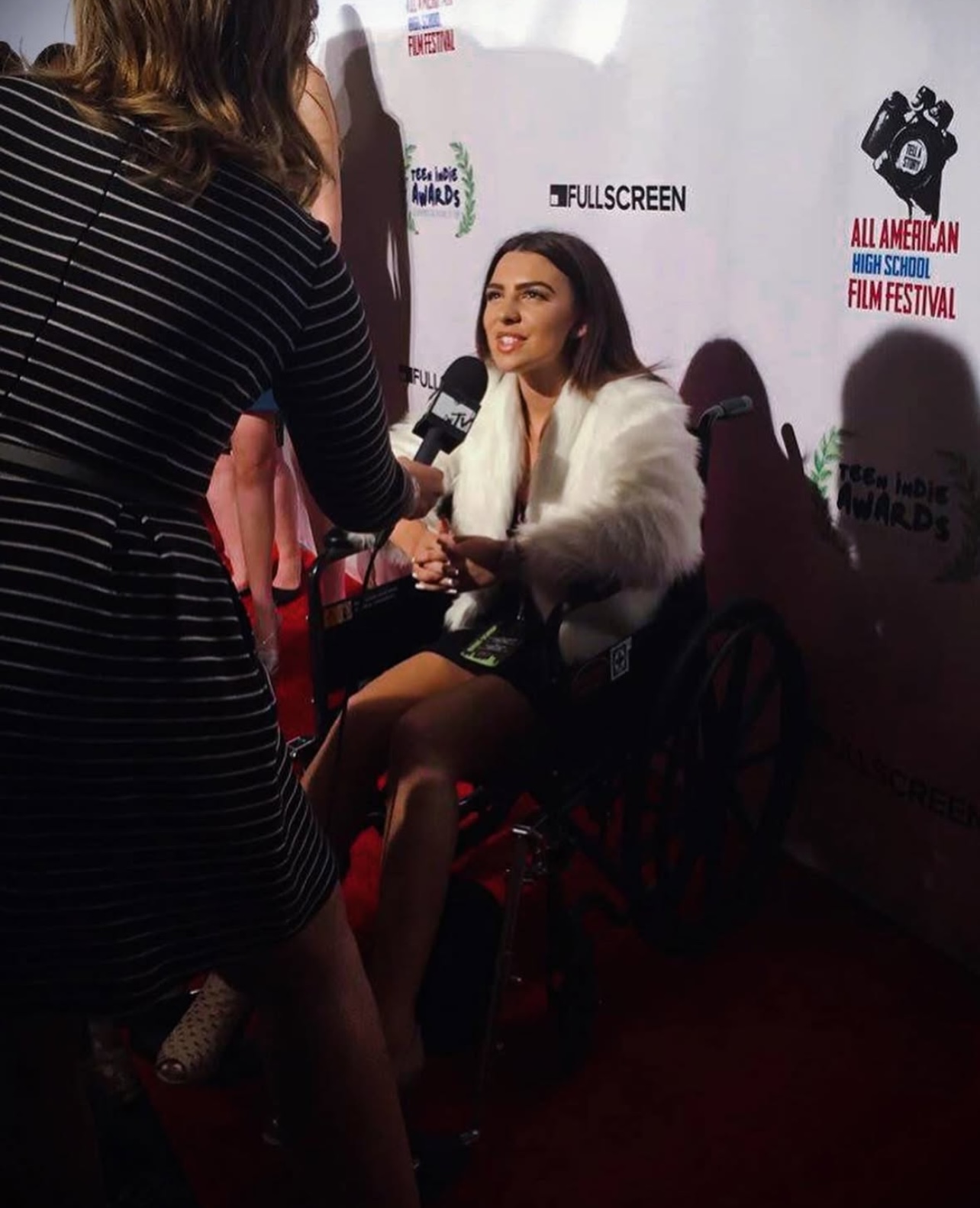
I was five years old, and I was screaming – my parents had me pinned down on the floor, and they were holding a pair of scissors and needles. My mom said “I’m so, so sorry,” and with that, she cut open the blisters/wounds/burns on the bottoms of my feet with them.
The neighbors called CPS, and that’s when the people next door found out about Epidermolysis Bullosa (E.B), the disease and disability I was born with – and that my parents were doing something emotionally and physically difficult, but medically necessary.
That age, and that moment, was my first time sort of “coming into consciousness” of realizing, okay, I am disabled, and because that’s never gonna change, I’m going to have to learn to do it myself eventually.
By the time I was 7 or 8 years old, I did. I learned to lance and cover and do all the steps of management.
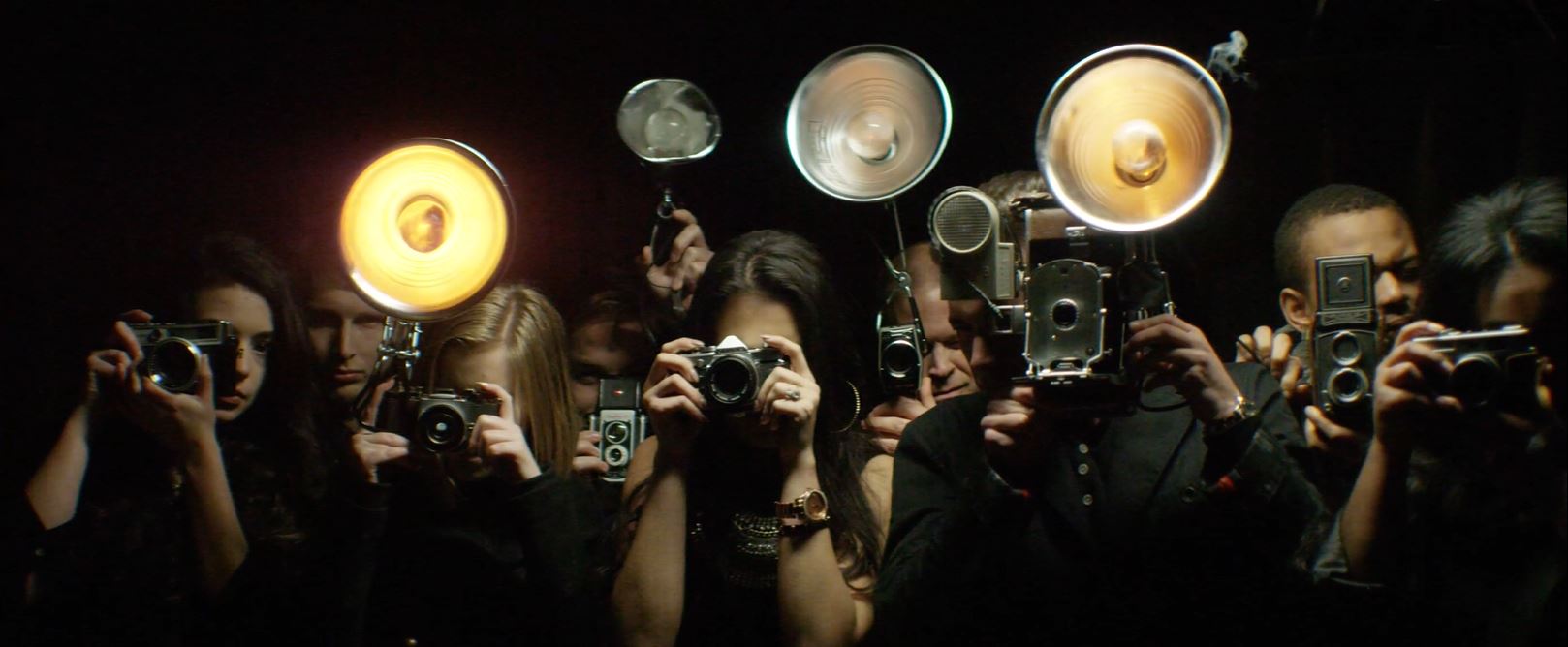
It was around this age that I first discovered a camera. It was my grandma’s. She brought it over, and told me “the camera sees things the eye cannot.” I will never forget that. Then she explained it was delicate, showed me how to use it, and put it in my hands. I spent hours that day with that thing. Eventually I realized I wasn’t satisfied, because the pictures weren’t moving.
So, the next time she came by, I did stop-motion with her camera and some jointed toys. Getting closer, but not quite. I knew I wanted to do video, and get the moving pictures in my mind, out.
When I was 14, I made my first short film in a nonprofit program for young girls, and the piece I made during camp ended up getting selected to screen at the Bill and Melinda Gates talent show a few weeks later.
It was my first time seeing something I made on a large screen – not just inside, but also on a massive billboard outside the building!
I absolutely froze on stage, though. Promised myself I wouldn’t do that again, and I’ve kept that promise thus far. Ha ha!
Film and storytelling became a sort of freedom for me – when I’m not able to move, I can still make pictures move. I may not be able to run, but I can run a set.
To be a storyteller is to be a conduit in a sense – you listen, observe, and you transmute into something the world can see. There is a responsibility to preserve history authentically, to capture the stories of people in a way that can be kept and remembered. No matter how difficult the subject.
Being in and out of crutches/cane and wheelchairs my whole life, and the isolation that comes with that, really turns a person into an observer. A lot of the time I simply don’t leave the house because I need to save my movement for the days I do get to leave, and when I need to do normal things, or do things back to back, bam – back to reality, back to walking aids.
I think a large part of my fascination with people, and all their pain and all their joy, comes from that place inside of me.
E.B is also largely invisible, so that makes me want to know about other people’s hidden things in turn. You never know what someone is going through, or what they’ve survived in the past.
I’ll never forget this: I was at a coffee shop once on my cane, and I set it down to limp just a few feet to the bathroom – canes get me where I need to go, but sometimes it’s easier to balance off the wound without it (depending on where it’s placement is on the foot or both feet) to go short distances.
A man stopped me and said, with a look of disgust, “you’re a great actor.” That stung, because I would not wish this on anyone, and I don’t want it for myself.
I asked to sit down with him. We had a coffee together. I explained my story, and he explained his. Moments like these is where storytelling begins. We both walked away knowing something we hadn’t known before.
This is why, today, I focus on documentary work that tackles really difficult subjects, with a goal that viewers will walk away changed, affected, and have been able to experience a moment in someone else’s reality.
We all face challenges, but looking back would you describe it as a relatively smooth road?
The biggest continuous obstacle along the way has been being taken seriously. Being female in a male-dominated industry is hard. There’s a sense of constantly having to prove yourself, over and over. Then, when you produce excellent work, being faced with people who believe you can’t repeat it.
The industry can be hard or even cruel at times to all. It’s about passing the torch, which is something I plan to do as I continue to advance across the chessboard of life.
Appreciate you sharing that. What else should we know about what you do?
Thank you. I am a writer, director, editor, concept creator and script consultant. I’m gonna break them down here:
For writing, I’m known for being an idea box. I have been called “an entire writers room in one person.” I let my mind run wild and allow the characters to think for themselves – not unlike the process of a method actor. When it comes to screenwriting, my characters constantly surprise me. It feels a lot like getting to know people that actually exist and, to me, they do. If I can’t predict the ending as I’m writing until I get to it – if a plot twist shocks ME, as the writer – then it’s more likely going to shock readers/viewers.
When it comes to script consulting for others, I absorb myself in their world and think like their characters do. Full immersion. This helps me unveil blind spots, keep the story and pacing interesting, and make the piece the best it can be. Whether it’s an intense biopic or a story about two ants falling in love, I can – and will – go there.
I can think like an ant.
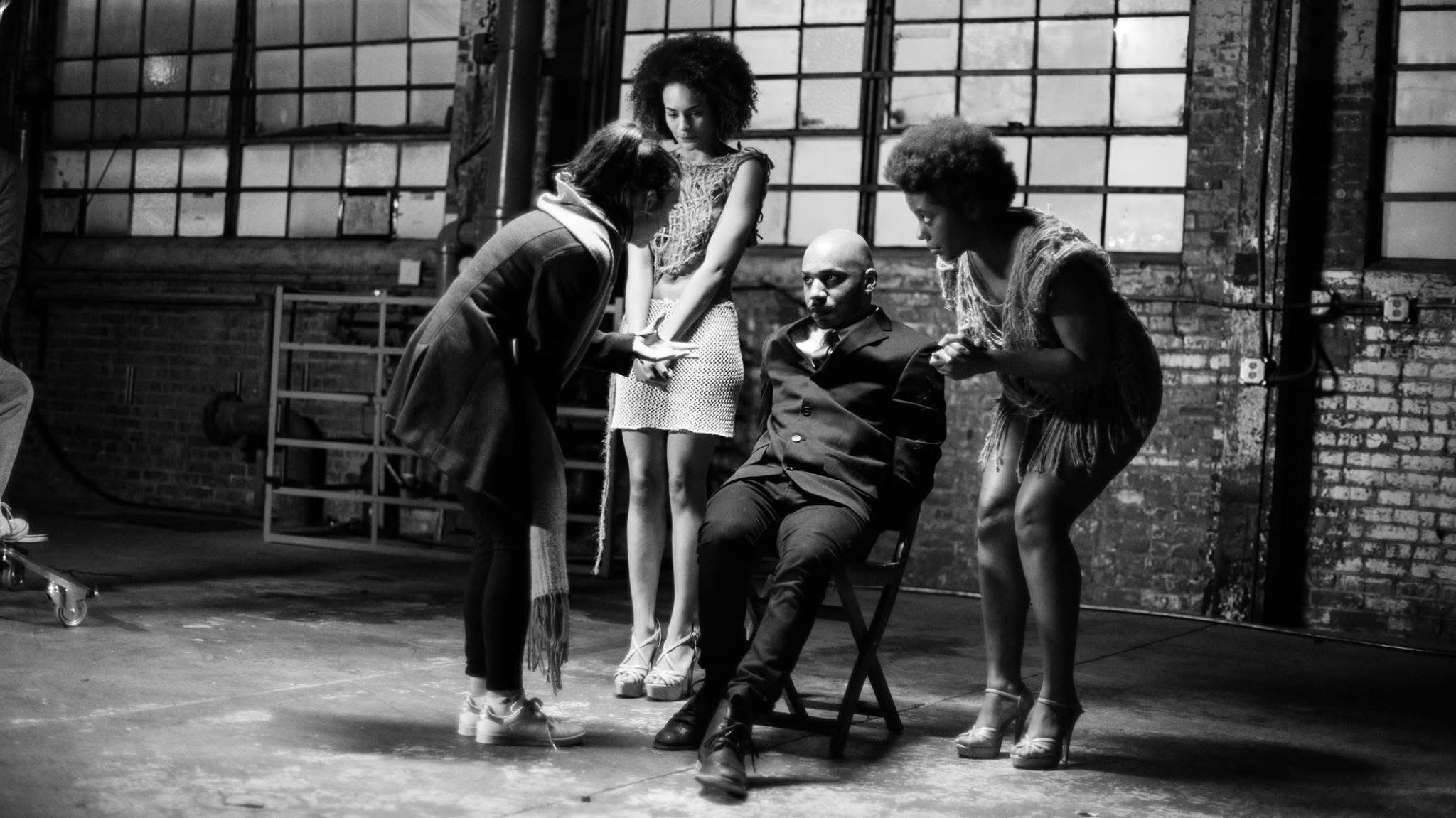
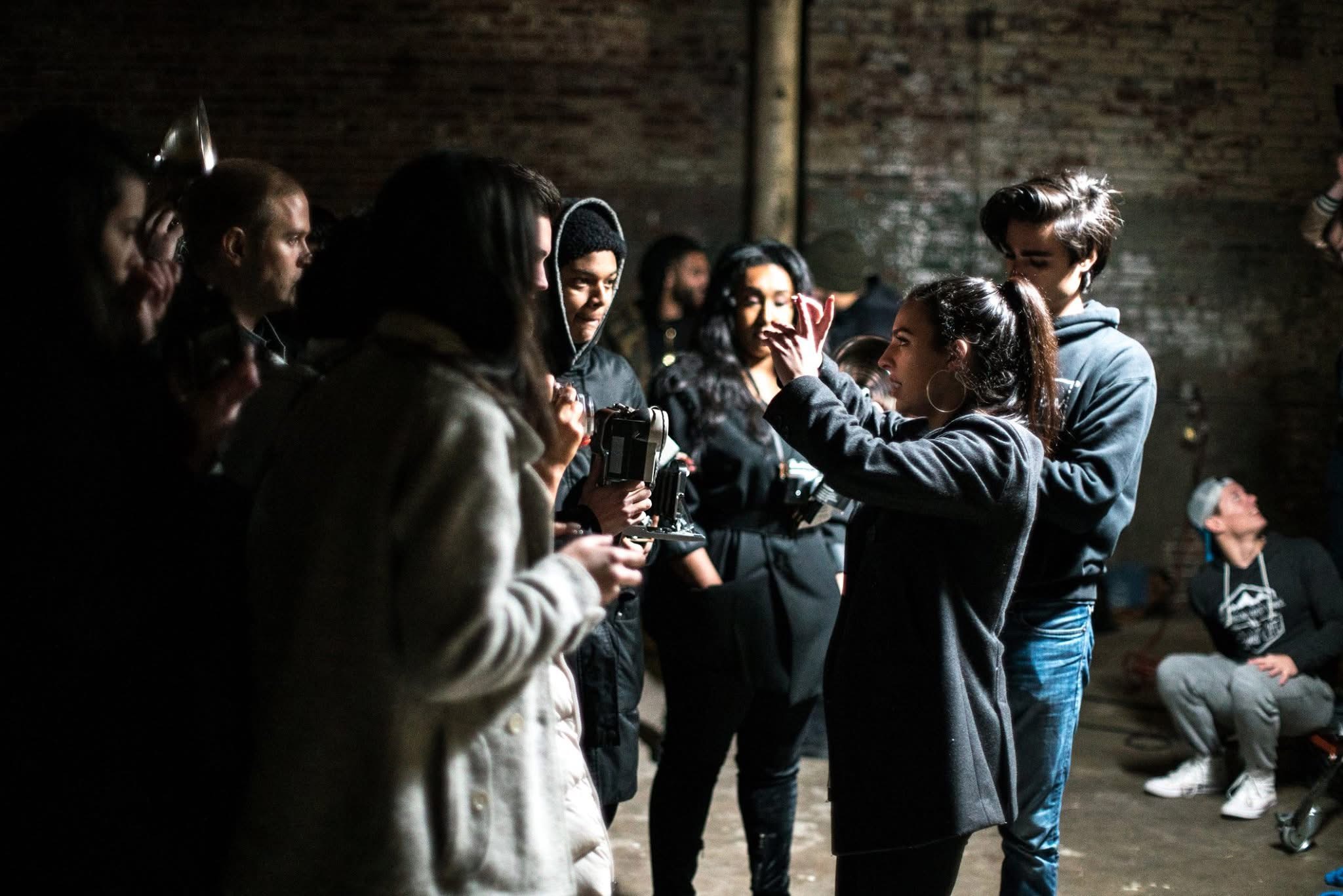
For directing, I have a very distinct visual style I do not budge on, and I also work hard to get to a really raw state with those I work with, whether it is narrative or documentary. I think having equal parts bravery and care is crucial as the person behind the camera, especially during high-stakes and highly emotional interviews. I aim to create a cinematic space and environment where people feel comfortable enough to be vulnerable.
For concept creation, having Hyperphantasia is helpful. Most of the time, the visual concept decks I create end up looking almost exactly like the final product – down to the shots, the pacing, the timing, and the feel. For music videos, I break it down second-by-second: at 45 seconds this happens; at 1:02 this happens, et cetera. It’s all about pacing and musicality. Concept creation is a lot like editing, just in the mind instead of in a program. You have to see it in your mind’s eye before it exists, then bring it to life both on set and in the editing room.
Editing is all about musicality and pacing as well. It must make the viewer feel something, and the sound has to tell as much of the story as what the eyes are taking in. For documentary, I create an audio script from sound bites to build out the story, then edit to that. When done right, you can take a sound bite from the first five minutes of a speech, follow it with a sound bite from 45 minutes later, and make it sound like one coherent sentence that hits hard emotionally and moves the story forward.
This is a great question, and actually a really difficult one for me to answer.
Luck, to me, is a bit about the cards we are dealt. It’s checks and balances, give and take. Luck is sometimes our friend, and, at other times, our enemy.
Above all else, it’s unevenly distributed, constantly changing, and can be difficult to control. I’m not sure I’ll ever come to a solid answer on luck.
But, if I do, I will probably want to make a film about it.
Pricing:
- Directing – $1,200/day
- Editing – $85-$150/hour
- Concept Creation, Written – $75/hour
- Concept Creation Written + Visual Deck – $150/hour
- Script Consulting – $200/hour
Contact Info:
- Website: https://thewyntermethod.com
- Instagram: https://www.instagram.com/directedbywynter/?hl=en