




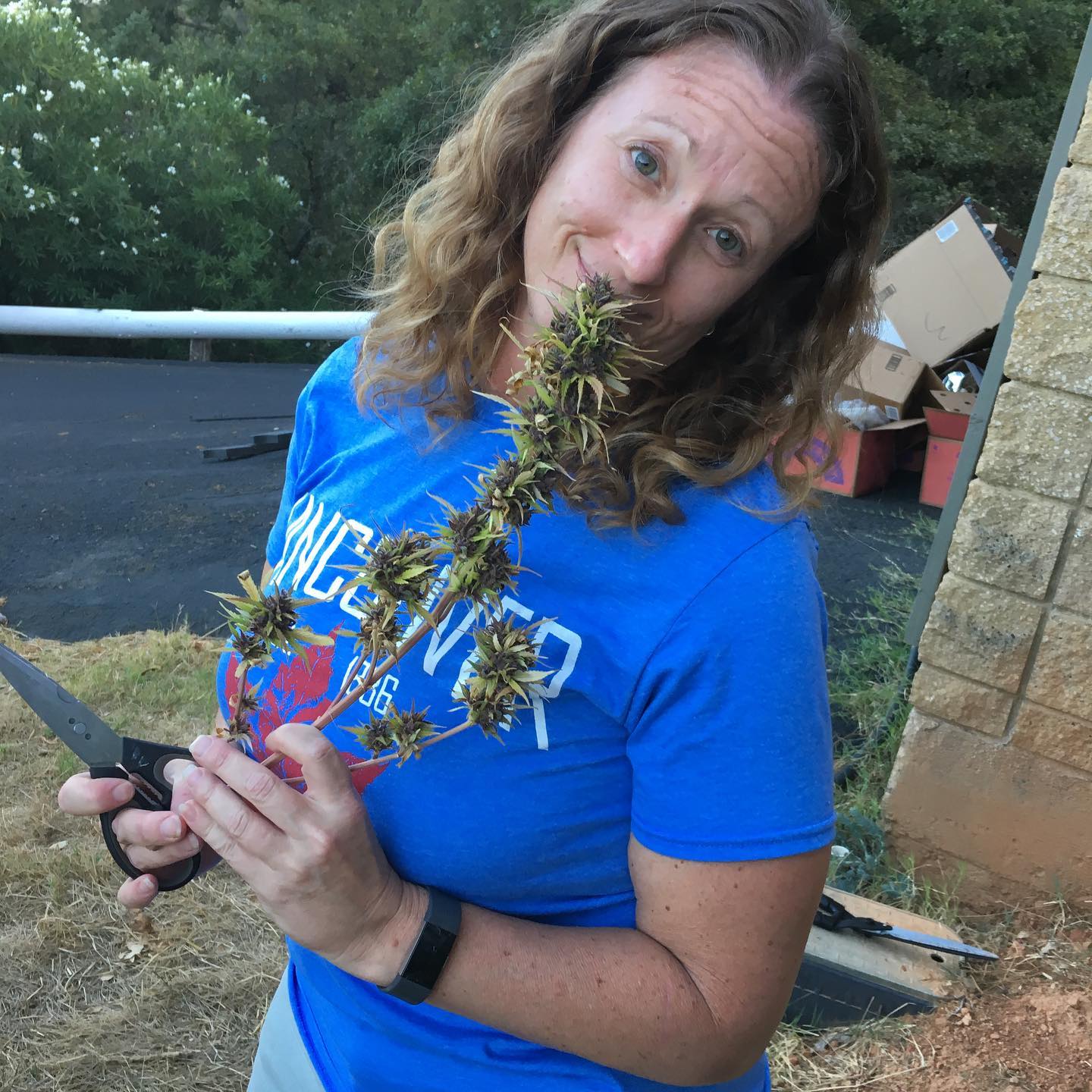
Today we’d like to introduce you to Amanda Reiman.
Hi Amanda, can you start by introducing yourself? We’d love to learn more about how you got to where you are today?
I became an activist for drug policy change in the late 1990’s. In 2002, I moved from Chicago to Oakland, CA to begin a PhD program in Social Welfare at Berkeley. I felt that the only way I could have major influence over drug policy was to get a PhD. I was struck and amazed at the medical cannabis community that was flourishing in the Bay Area at that time. It was something we heard very little about in Chicago, and, being someone who used medical cannabis myself, I was enraptured with the dispensary environment and the role it played in community health service. Of course, WA was also on the forefront of medical cannabis, and the early dispensaries were born out of a community health model pioneered by the LGBTQ+ community in response to the HIV/AIDS crisis. At the time, nobody was studying medical cannabis patients or dispensaries in a positive way, so I decided to do my doctoral dissertation on medical cannabis dispensaries and the patients who used them. It was this study that revealed the use of cannabis as a substitute for alcohol and other drugs. In the 20 years since, I have worked to change policy at the local, state and federal level and have continued my research into the use of cannabis. In 2000, I founded Personal Plants, an educational platform that support the moderate and mindful use of cannabis. One of the things I have found in my decades of research, is that cannabis can be presented as one of two extremes. Either it is the devil’s lettuce, or it is a cure all. I believe the truth is in the middle, and if we want legalization to support a healthy relationship with the plant, we need to be real about both the risks and the benefits.
Alright, so let’s dig a little deeper into the story – has it been an easy path overall and if not, what were the challenges you’ve had to overcome?
Of course it has not been smooth, haha. The decades of propaganda around cannabis, the stifling of research and even the way that women are often discounted as scientists and academics has made cannabis evolution a rocky road. If cannabis were discovered today, we would herald it as a wonder plant and make it available broadly. However, cannabis laws, like all drug laws, were invented as mechanisms of social control and those laws feed a very large prison industrial system as well as encourage the demonization of certain groups of people. So, even though it may seem that cannabis is on a huge upward swing, if you look closely, that swing is full of peaks and valleys. For me and my work, the struggle has been maintaining my stance that cannabis has a lot of benefits but also some very real risks. The advocacy crowd thinks I should downplay the risks and the public health crowd thinks I should downplay the benefits. But my focus is the consumer, and how they can keep themselves safe and healthy while also enjoying the benefits of the cannabis plant.
Appreciate you sharing that. What else should we know about what you do?
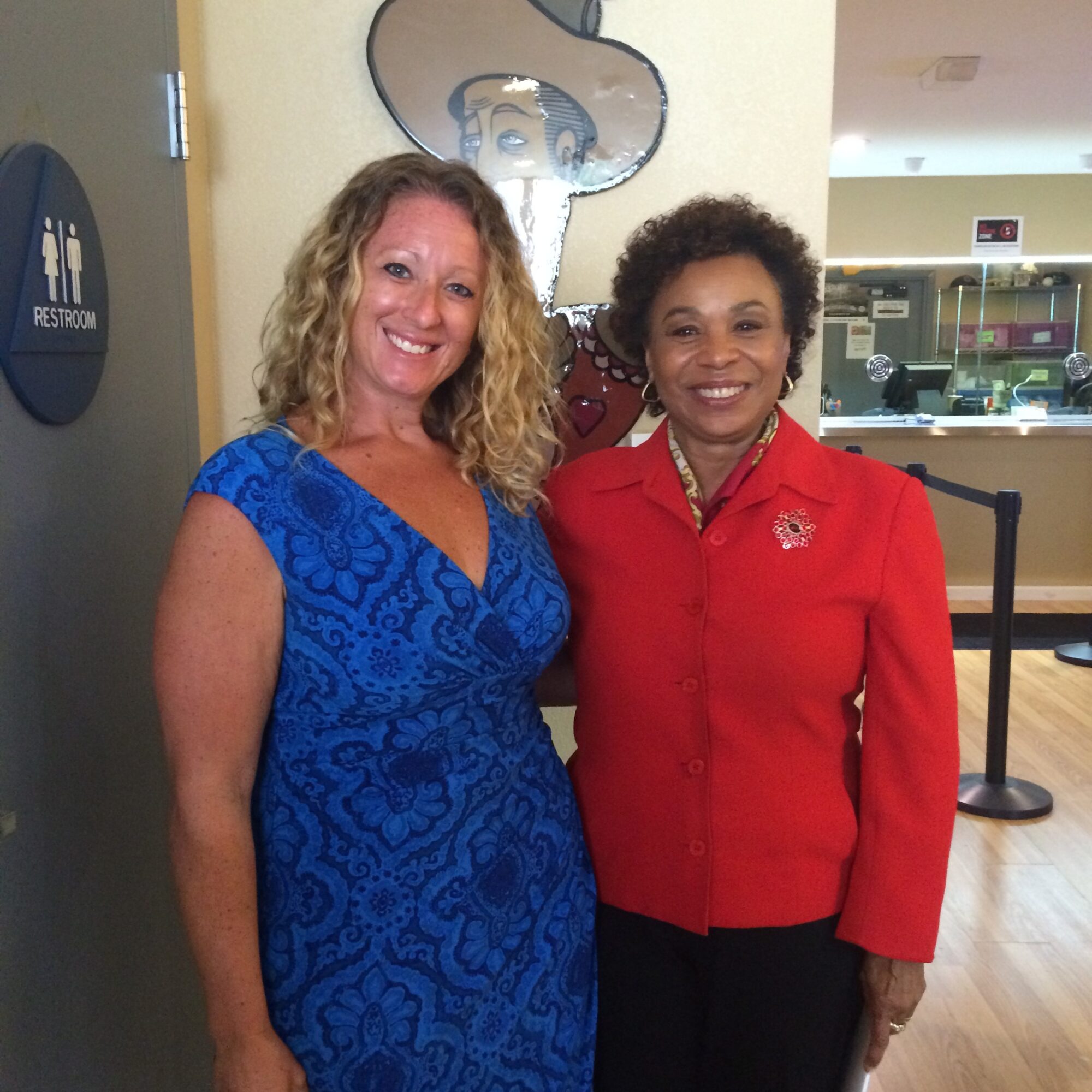
What I am probably most known for is my work on cannabis as a harm reduction tool. Many people use cannabis in place of alcohol and prescription drugs. There is even a name for it, Cali Sober. But, when I first started doing my research in 2005, very few people believed that cannabis consumers were health conscious. They assumed that cannabis was just another intoxicating drug to add to what folks were already taking. My research showed that this was not true, and that cannabis consumers are mindfully trying to reduce the use of more harmful substances by using cannabis. I am proud of the work I have done to shift the way cannabis use is approached and how we view cannabis consumers. As one of the first public health researchers to survey patients directly and to write about the positive impact of dispensaries, I have had the privilege of sitting on city commissions aimed at creating better cannabis policies, and of helping to draft and pass Prop. 64 which legalized cannabis in CA.
How can people work with you, collaborate with you or support you?
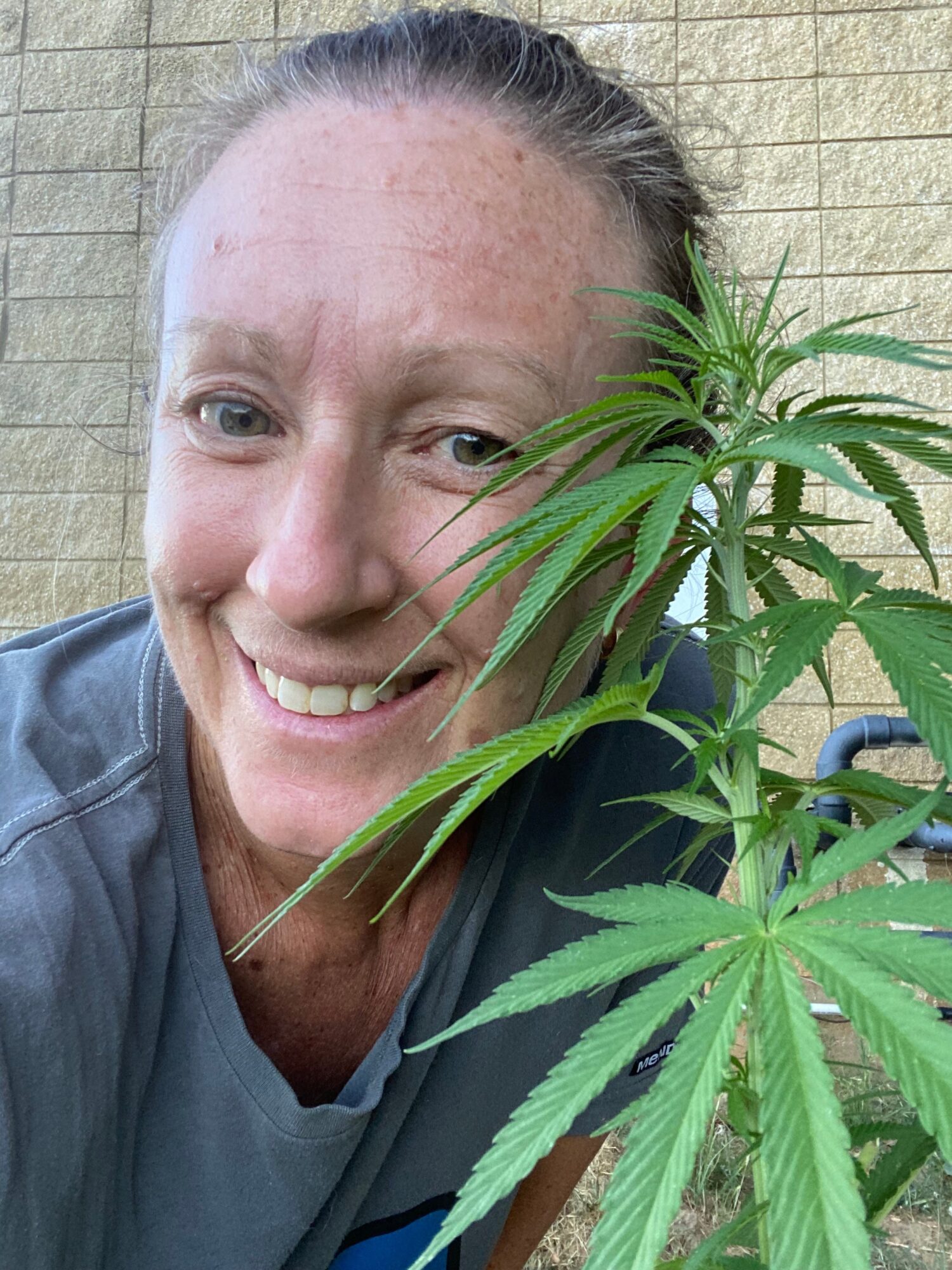
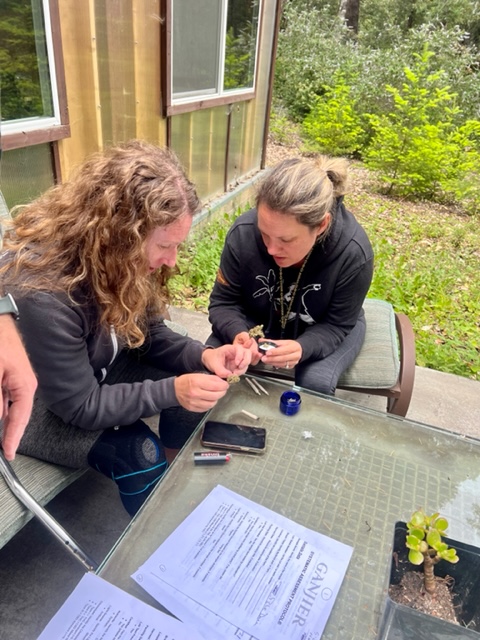
Please visit www.mypersonalplants.com to read more on the balanced use of cannabis, as well as get some great recipes! Like food, I believe that when you grow or make your own cannabis products, it deepens your relationship with the plant and helps promote mindful consumption.
Contact Info:
- Website: https://www.mypersonalplants.com
- Instagram: https://www.instagram.com/dr.amandareiman/
- Facebook: https://www.facebook.com/amanda.reiman.5/
- LinkedIn: https://www.linkedin.com/in/amanda-reiman-phd-msw/
- Youtube: https://www.youtube.com/@PersonalPlants