



Today we’d like to introduce you to Yesol Jung.
Yesol, we appreciate you taking the time to share your story with us today. Where does your story begin?
My path to education actually began with a love of language and literature.
I came to the United States from Korea as a high school student and later majored in English Literature, originally dreaming of becoming a writer. I loved what language could do: give shape to an idea, help us understand experiences beyond our own, and connect us to other people. I eventually found my way into education, and looking back, that transition feels very natural. Teaching gave me another way to work with the things I had always cared about: language, stories, ideas, and how we learn to express what we think.
My career has taken me through very different corners of education. I have taught in a private gifted preschool, supported immigrant and refugee families through ReWA, and worked as a classroom teacher in both Title I schools and highly resourced public school districts. As an English language teacher, I also helped multilingual learners develop their English skills. On weekends, I taught Korean at a community language school. These experiences have allowed me to work with children across a wide range of backgrounds, abilities, languages, and learning needs.
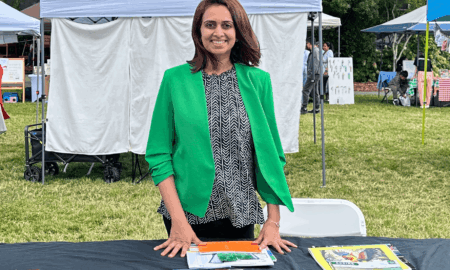
Along the way, I became a National Board Certified Teacher and was honored to receive a Washington State PTA Outstanding Educator Award. But some of my most important lessons came simply from sitting beside students and paying attention to how they learn.
I saw children who needed more challenge, children who needed more time, and children who were capable of far more than they realized. Those experiences shaped one of my strongest beliefs as an educator: high expectations and individualized support belong together. I hold high expectations because I believe children can reach meaningful goals when they are given the right instruction, support, time, and encouragement.
That belief became the foundation for Dotori School.
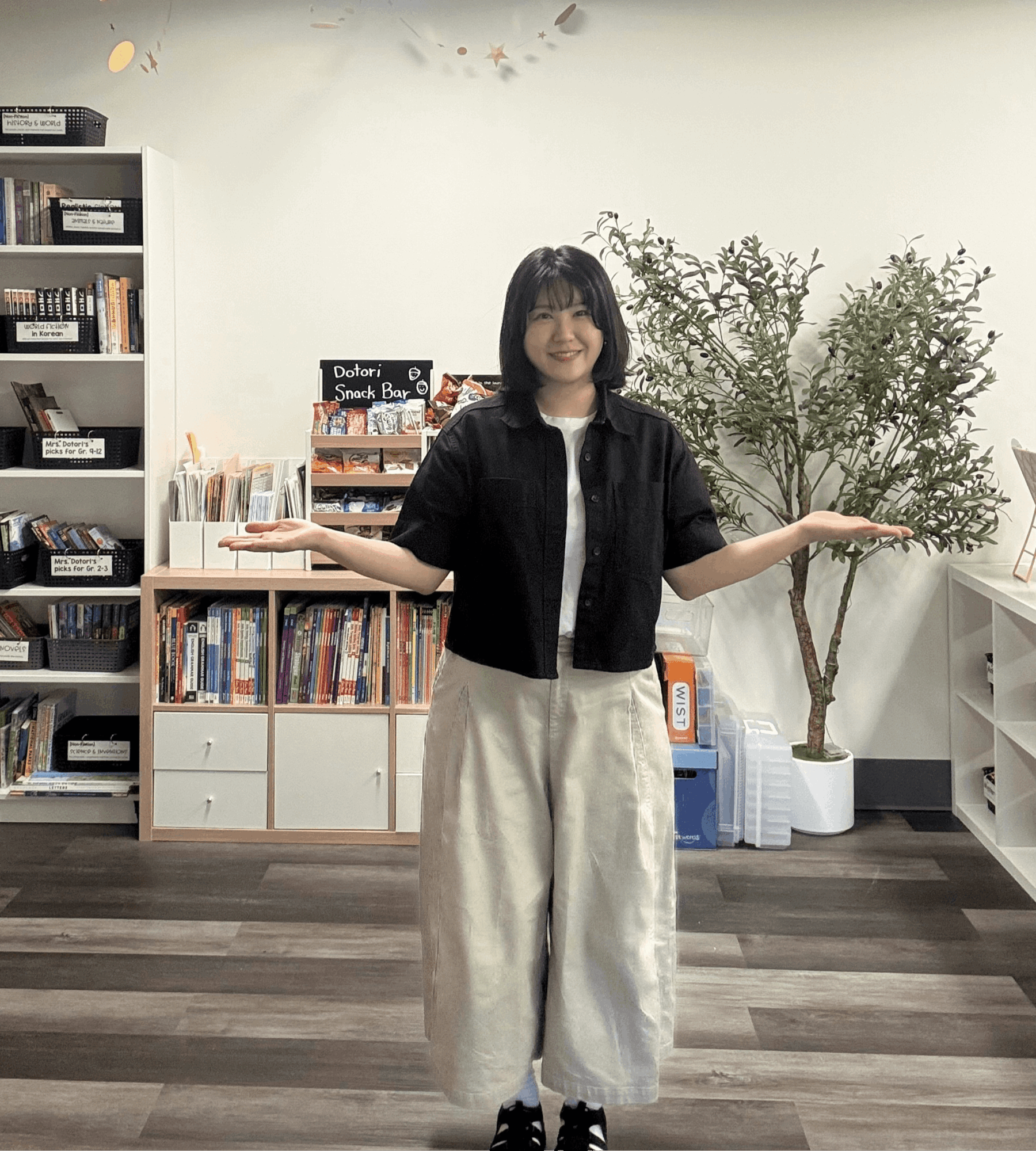
I had long imagined creating a small school where teachers could truly know their students and where strong literacy, thoughtful learning, and individual growth could be at the center. Dotori School began as an after-school program and is the first step toward that larger vision.
Perhaps because language has played such an important role in my own life, literacy means much more to me than simply reading and writing well. I want children to think deeply and have the language to fully express those thoughts. I want them to ask good questions, communicate their ideas with confidence, and use language to connect with others. Whether that language is English or Korean, the goal is the same: to help children become strong readers, writers, thinkers, and communicators.
The name “Dotori” means “acorn” in Korean. I chose it because I love what an acorn represents. It may be small, but it already carries so much potential within it. As educators, our job is to create the conditions that allow that potential to grow.
That is what I hope Dotori School can be: a place where children are known well, challenged with purpose, supported when they need it, and given the chance to experience the joy and confidence of realizing, “I can do this.”
We all face challenges, but looking back would you describe it as a relatively smooth road?
I would not say it has been a completely smooth road, but the challenges have changed as Dotori School has grown.
Right now, my biggest challenge is building a school that does not depend entirely on me. In the beginning, being personally involved in nearly every part of Dotori School was one of its strengths. I knew every student, communicated closely with every family, developed the curriculum, and taught many of the classes myself. I am incredibly grateful that families have come to trust me, but I also know that a strong school cannot be built around one person forever.
As we grow, I want to create systems that allow another teacher to walk into Dotori School and understand not only what we teach, but why and how we teach it. I want the quality, expectations, and care that families experience here to remain consistent no matter which teacher is leading the classroom. That means building strong curriculum, clear instructional practices, thoughtful teacher training, and systems that can grow with us without losing the personal connection that made Dotori School special in the first place.
Finding the right teachers is a big part of that challenge. More than an impressive résumé or years of experience, I look for teachers who genuinely care about each student in front of them. I want teachers who notice when a child needs more challenge, when they need more support, and when they simply need someone to believe they can do it. Sharing that kind of care, along with the high expectations I have for our students, is very important to me.
In many ways, I think this is the next stage of Dotori School. Starting it required me to build something families could trust. Growing it requires me to make that trust bigger than one person.
As you know, we’re big fans of Dotori School. For our readers who might not be as familiar what can you tell them about the brand?
Dotori School is a small-group learning program based in the Bellevue/Redmond area. We work with K-12 students through after-school classes and private instruction, with a focus on helping children become stronger, more confident learners.
Our core programs include English literacy, Korean language, and advanced math. Our two main English literacy programs are Core Literacy and Book Club. Core Literacy builds strong reading and writing skills through explicit, structured instruction, while Book Club gives students opportunities to read deeply, discuss ideas with peers, build vocabulary and comprehension, and develop their writing in response to what they read. We also offer Korean language instruction focused on building strong reading, writing, and communication skills. Our advanced math program is designed for students who are ready to be challenged beyond their grade-level curriculum and develop deeper mathematical thinking and problem-solving skills.
One thing that sets Dotori School apart is that I develop much of our curriculum and instructional materials myself. Because I am still in the classroom teaching every week, our curriculum is constantly shaped by what I see students actually need. If something is not working, I change it. If students need more support, I build it in. If they are ready for more, I want the curriculum to give them somewhere to go.
Our classes are intentionally small, typically around four to five students. There is something very powerful about that size. Students have room to be heard, take intellectual risks, and receive meaningful feedback while still learning alongside peers. It also allows us to challenge students without losing sight of who they are as individual learners.
What I am most proud of is the community and trust that have grown around the school. Dotori is still small, and I see that as one of our strengths. We know our students well. We notice their growth. We celebrate when something that once felt difficult finally clicks.
Ultimately, Dotori School is not about pushing children simply for the sake of being ahead. We take learning seriously and hold high expectations, but we also believe students need the right support to reach those expectations. I want our students to discover what they are capable of and take pride in getting there. My hope is that they leave us not simply stronger in a particular subject, but more confident in their own ability to learn.
If you had to, what characteristic of yours would you give the most credit to?
I think one of the qualities that has mattered most is that I pay attention.
As a teacher, I have always been someone who notices the small things. I notice when a student who usually speaks up suddenly becomes quiet, when a child understands more than they are able to put into words, or when a lesson that looked great on paper is simply not working the way I hoped.
I think that same habit has shaped how I run Dotori School. I listen closely to students and families, and I am always willing to adjust. I revise curriculum constantly. I rethink routines that are not serving us well. I try not to hold onto something simply because “this is how we have always done it.”
Education is deeply human, and children are constantly growing and changing. What worked for one student may not work for another, and what a child needed six months ago may not be what they need today. Paying attention helps me respond to the child who is actually in front of me rather than the student I expected to see.
I think that has also been important as a business owner. Dotori School is still growing, and I certainly do not have everything figured out. But I am comfortable looking closely at what is working, being honest about what is not, and making changes when something can be better.
Maybe the quality is really a combination of attentiveness and a willingness to keep learning. I ask a lot of my students, but I think it is only fair that I ask the same of myself.
Contact Info:
- Website: www.dotorischool.org
- Instagram: https://www.instagram.com/dotori.school_yesol/
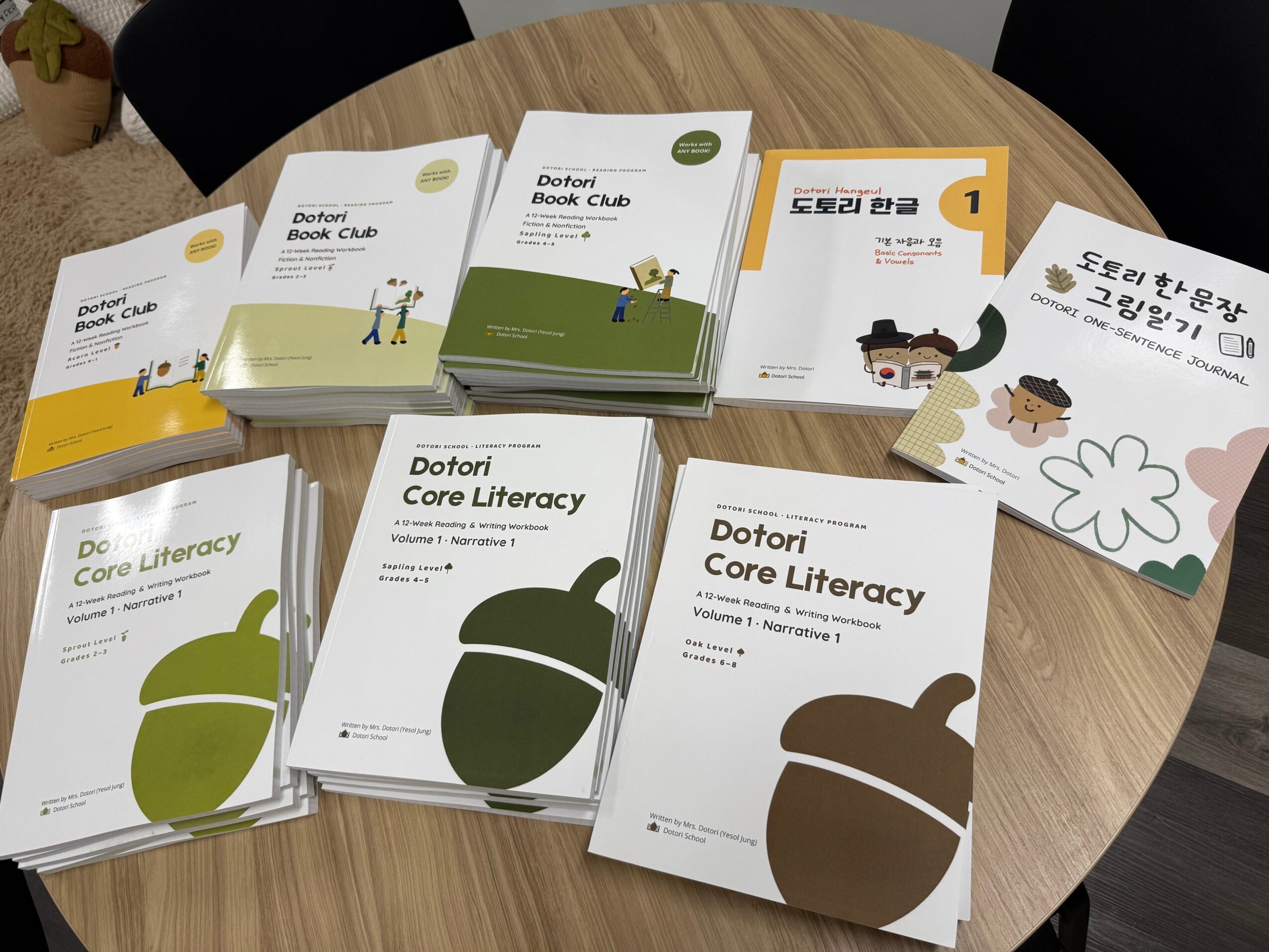
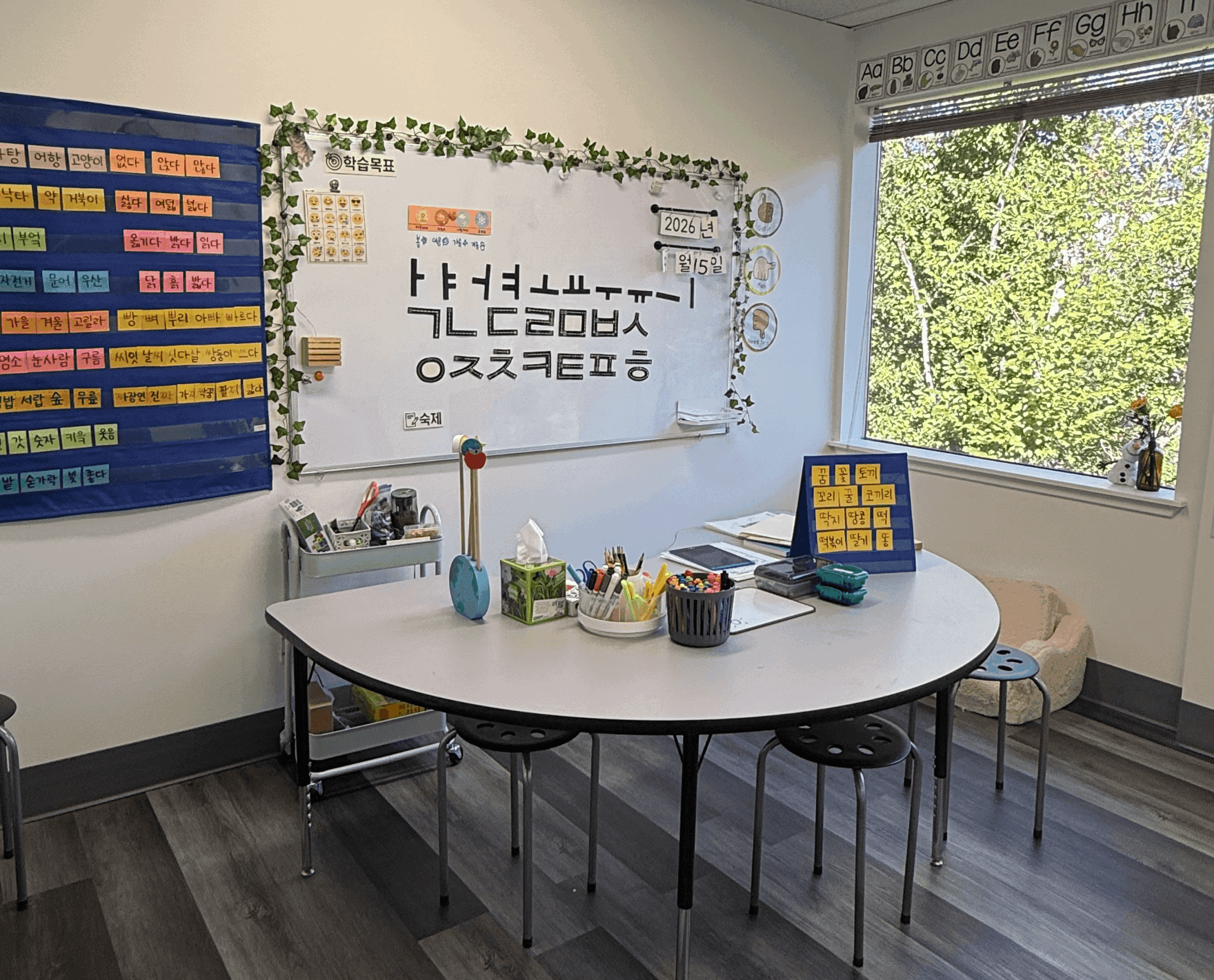
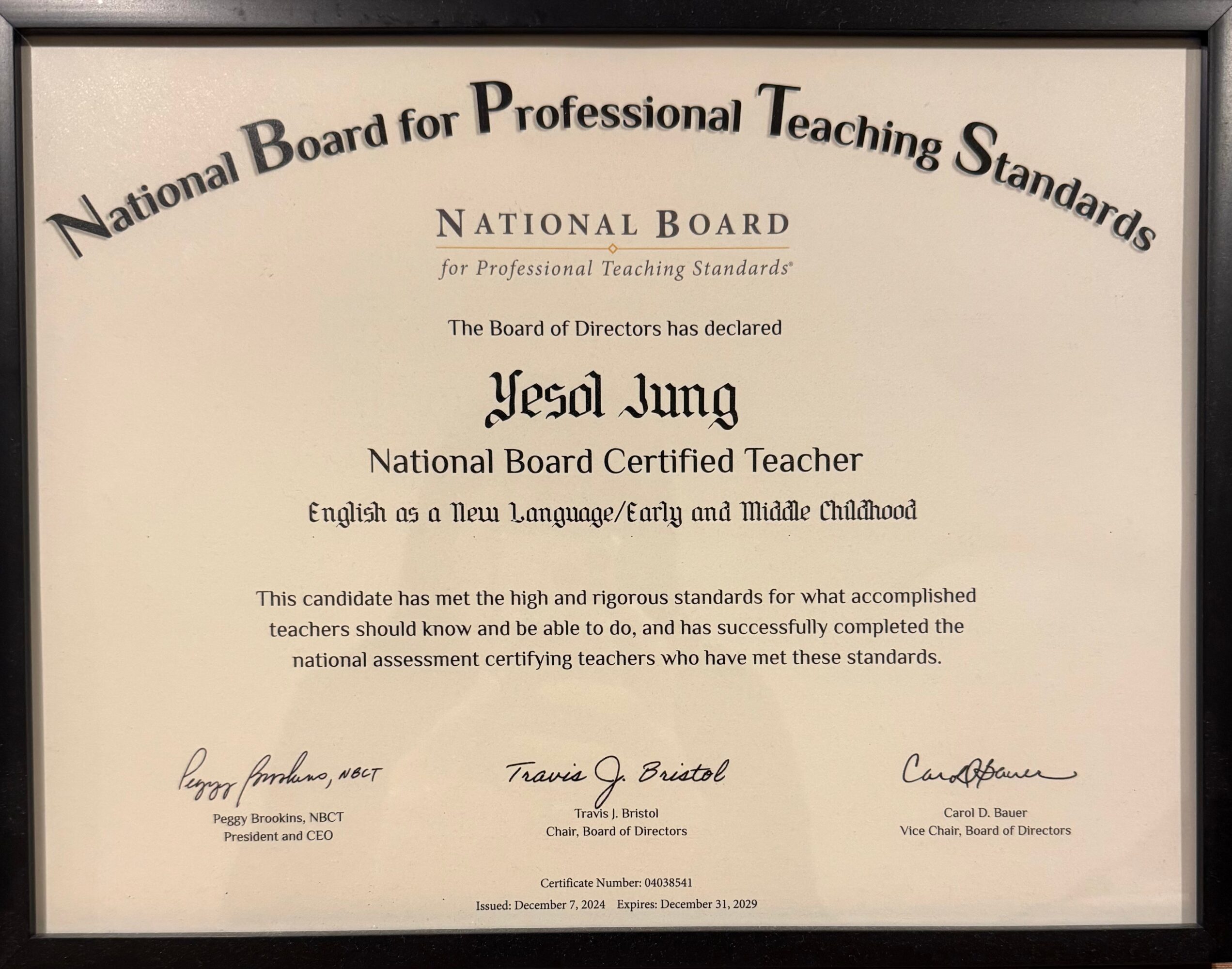
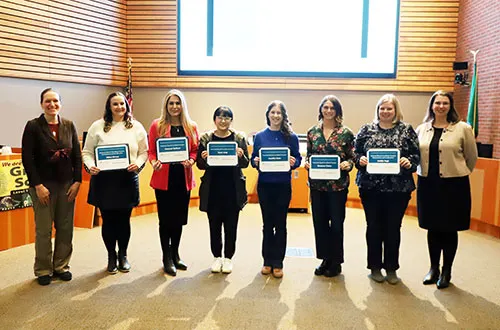
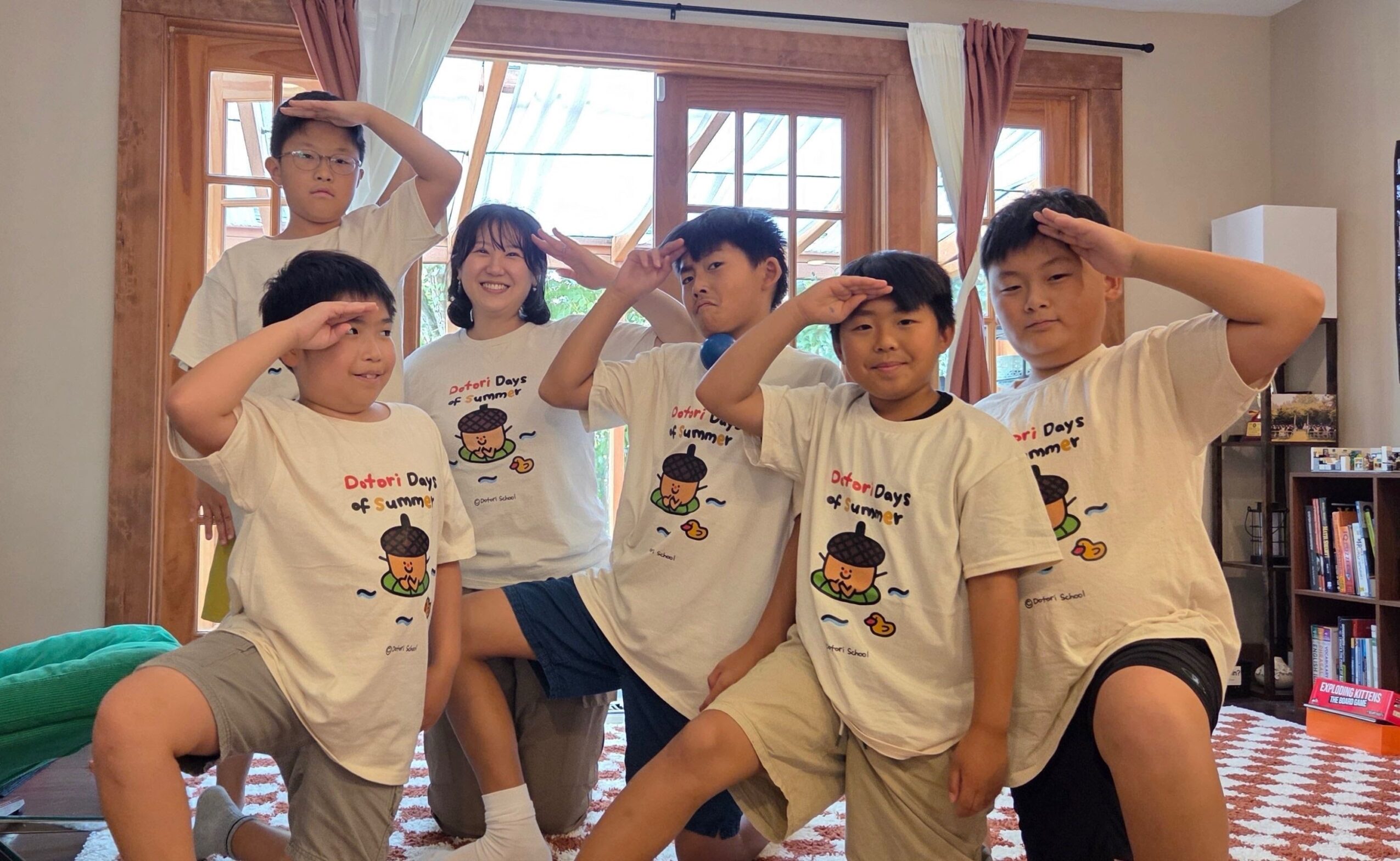
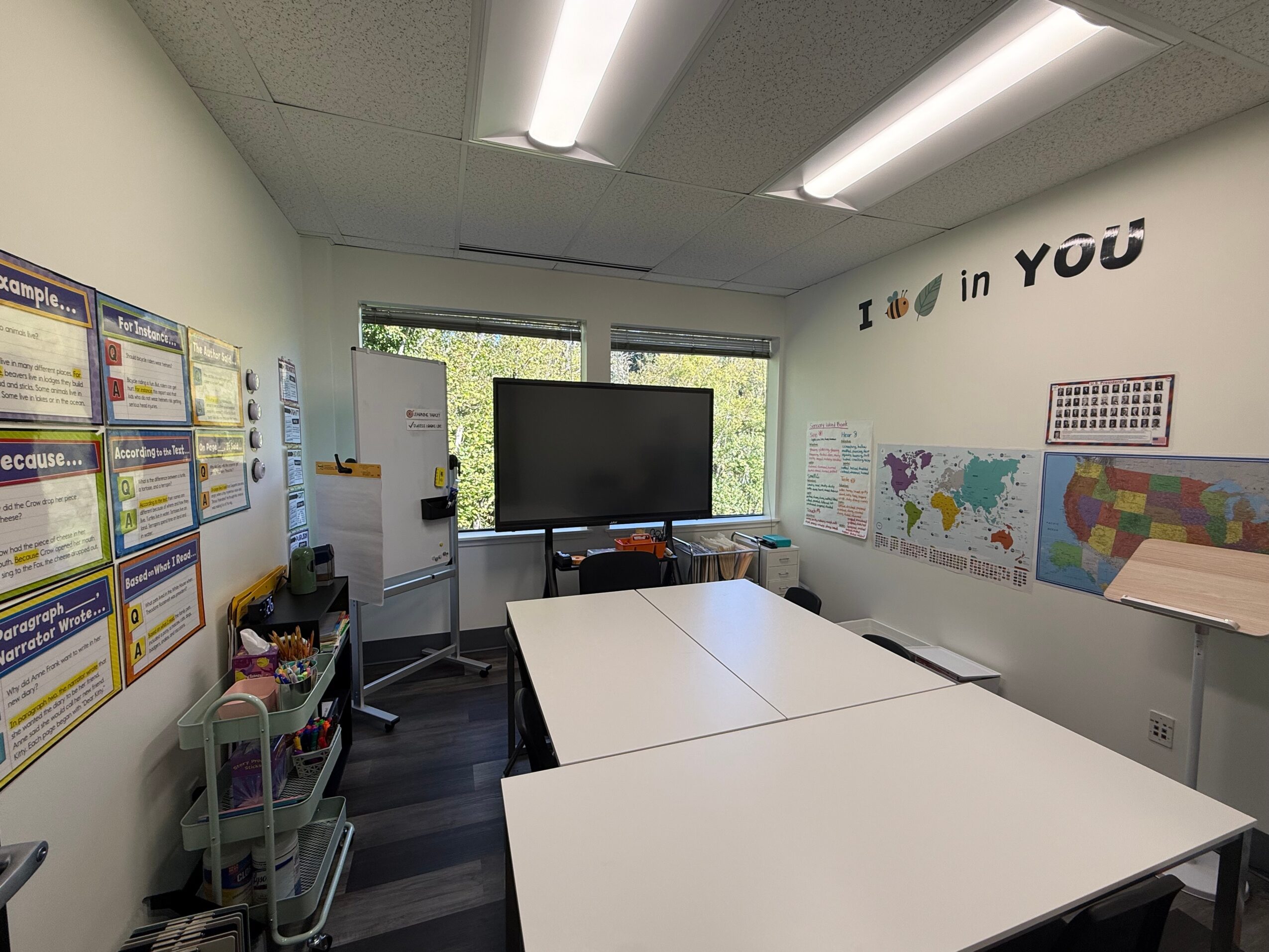
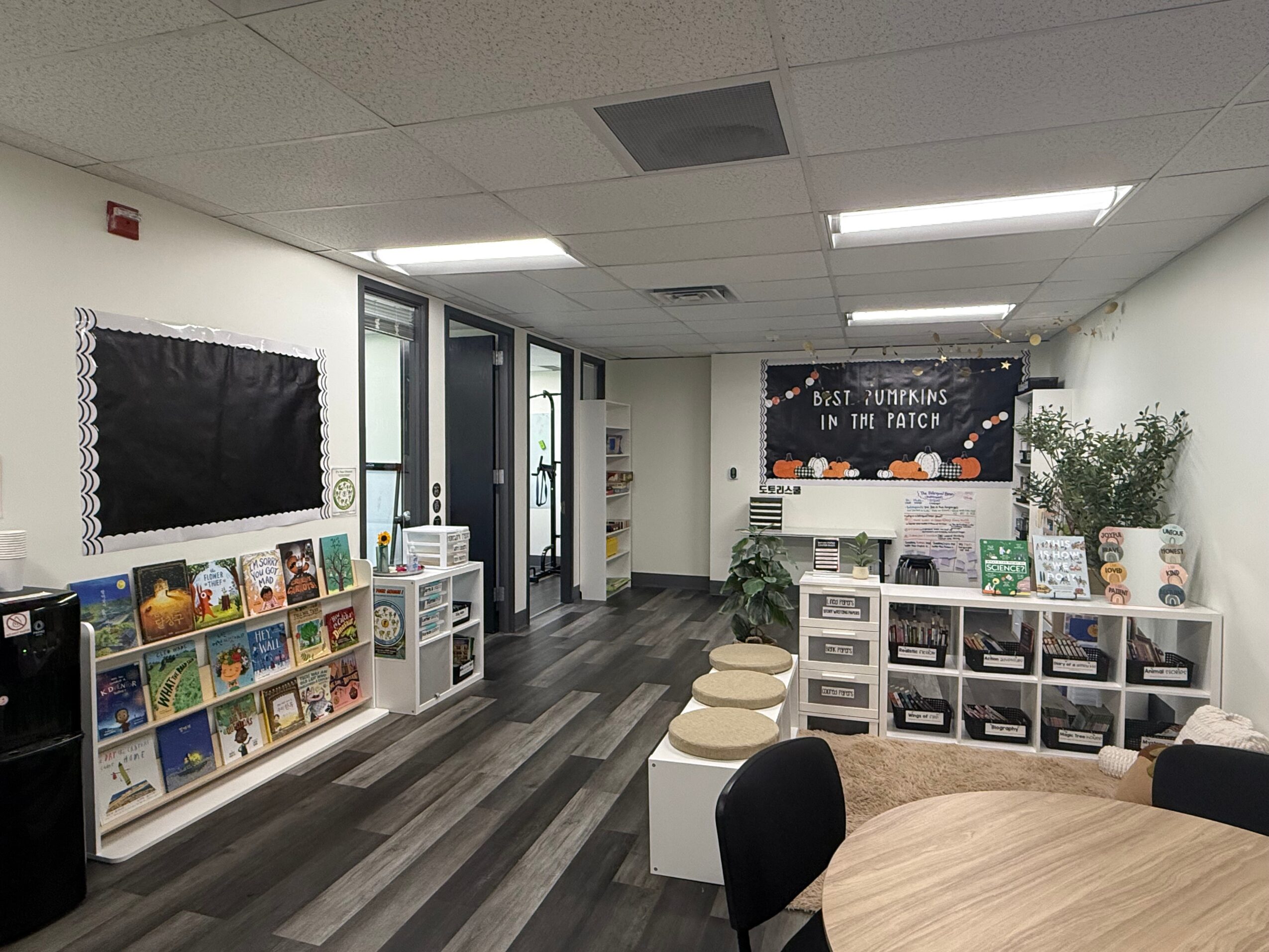
Image Credits
6th photo in additional photos: National Board Certification recognition photo courtesy of Lake Washington School District (LWSD) Source: LWSD National Board Certification article https://www.lwsd.org/services/communications/news-and-stories/news-details/~board/2024-25-announcements/post/twenty-lake-washington-educators-achieve-maintain-national-board-certification