



Today we’d like to introduce you to Nancy Benter.
Hi Nancy, thanks for joining us today. We’d love for you to start by introducing yourself.
I almost ended my life because of Endometriosis and chronic pelvic pain. And now, somehow, I’m grateful because it forced me to learn how to truly live.
I can remember this moment with unsettling clarity. If someone gave me a button to press that would end my life instantly, I would have pressed it. No hesitation. That’s how much pain I was in.
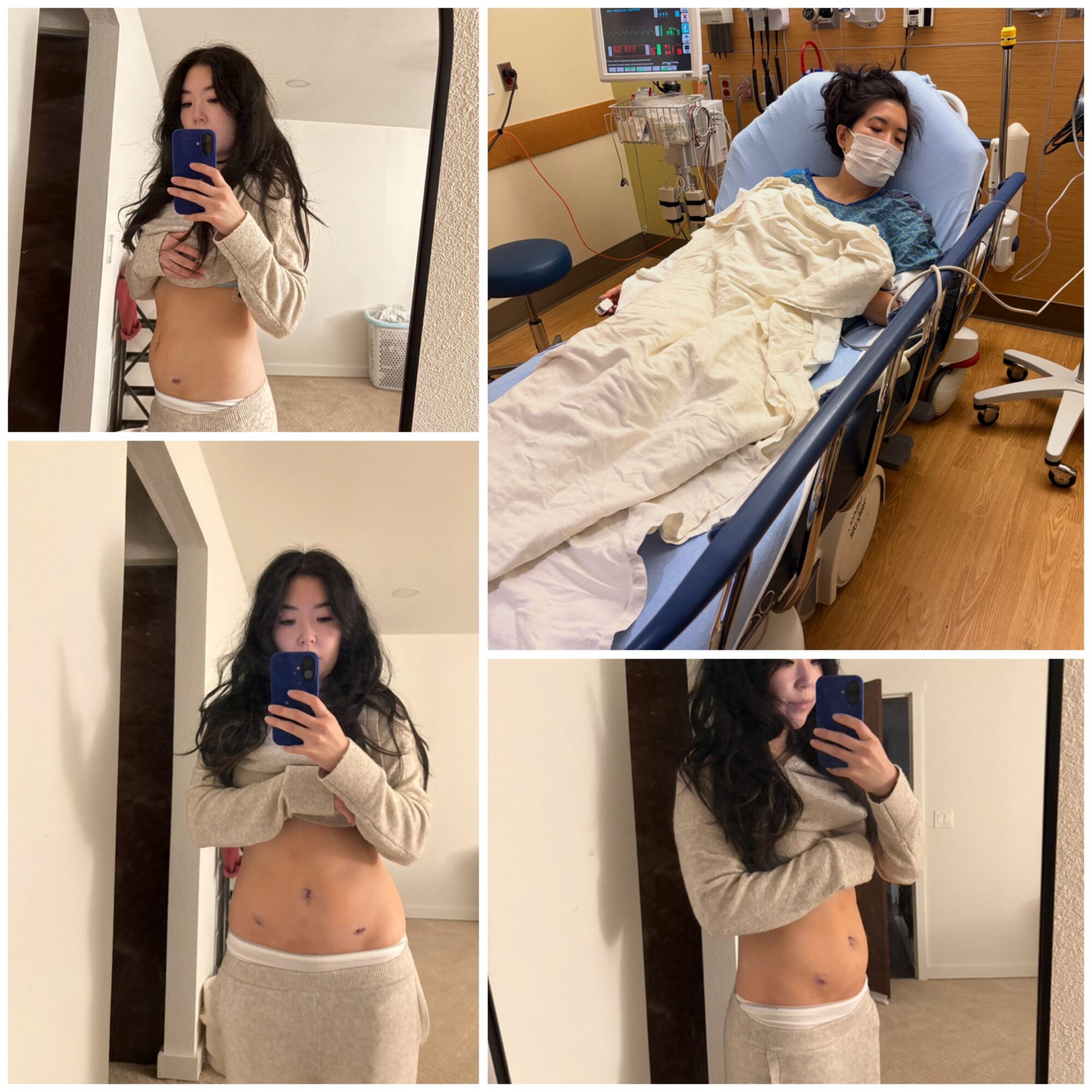
After nearly a year of debilitating pelvic pain for almost a year caused by endometriosis, I underwent surgery to excise it. I put a lot of hope into my surgery with Dr. Brooke Winner. She successfully excised stage 2 endometriosis and helped uncover that I may also have adenomyosis. But when my pain returned, it forced me to confront a hard truth: this wasn’t going to be solved by a single procedure. My body was dealing with something far more complex. I thought finally having surgery would be the turning point.
It wasn’t.
After a month into recovery, I had a major setback. The pain came back relentless and unforgiving. It felt like labor contractions, but without the promise of a child at the end. Just wave after wave of throbbing, electric pain that jolted me awake at night. My body was in a constant state of defense. My pelvic floor, neck, shoulders, even my jaw clenched tight from subconscious guarding. The surgery removed the disease. But it didn’t resolve my pain.
My health spiraled. I lost the ability to sit. For three months, I became a prisoner in my own home. And slowly, quietly, my mind went to a very dark place. What made it worse was navigating the healthcare system. In less than a year, I was diagnosed, sometimes confidently, sometimes questionably, with endometriosis, adenomyosis, interstitial cystitis, overactive bladder, pelvic floor dysfunction, mast cell activation syndrome, and pudendal neuralgia. To this day, I still don’t have unanimous agreement across my providers.
And that’s part of the problem. When you’re referred to a specialist, you wait three to six months for an appointment while living in daily, debilitating pain. You become your own case manager, researcher, and advocate just to survive.
I used to say it felt like my life changed overnight in April of 2025. But now that I’ve had time to research, learn from others who are living in daily chronic pain, I’ve come to see that my body was screaming “check engine light” signals for quite some time. I just wasn’t paying attention and prioritizing taking care of myself.
I normalized holding my bladder for hours to stay in back to back leadership meetings. Little did I know this was causing major pelvic floor dysfunction.
I trained myself to breathe shallowly, to code switch, to suppress discomfort and present as composed. Even now, I catch myself holding my breath while replying to a Slack message.
I wasn’t nourishing my body. Coffee for breakfast. Skipped lunches. One undernourished meal at night.
I swung between extremes, pushing my body through intense workouts or sitting completely still for hours.
I was high-functioning on the outside. But internally, my body was breaking down. Even with privilege through access, education, resources…this experience was soul crushing. In under a year, I saw over 20 specialists. I attended more than 50 medical appointments. I spent over 80 hours researching pelvic pain, trying to piece together what was happening inside my own body. My health became a full-time job.
I had fully expected to take a short leave and return to work. Instead, I found myself on disability, questioning my identity, my purpose, and my future. I felt pressure to over-explain my condition because I didn’t “look sick.” That invisibility can be its own kind of burden.
I also had to confront deeply ingrained beliefs.
I grew up in a culture that stigmatized mental health and medication. But therapy became a lifeline. Weekly sessions, supported through my company’s benefits, helped me survive the hardest months. Medical interventions, from the Mirena IUD to nerve pain medications, gave me just enough relief to keep going.
Then, toward the end of March, something shifted. I started having small windows of relief. Moments where the pain wasn’t consuming me. Nights where I could fall asleep without bracing myself. My nervous system, for the first time in months, began to settle. What ultimately helped wasn’t one single solution. It was a multi-modeal approach. Pelvic nerve procedures. Pelvic floor physical therapy. Carefully adjusted medications. Progress was slow, but it was real.
Doing laundry became a win. Washing dishes felt like an accomplishment. The first time I picked up my son from the bus stop again, I cried. And the day I sat for 20 minutes without triggering a flare, I’ll never forget it.
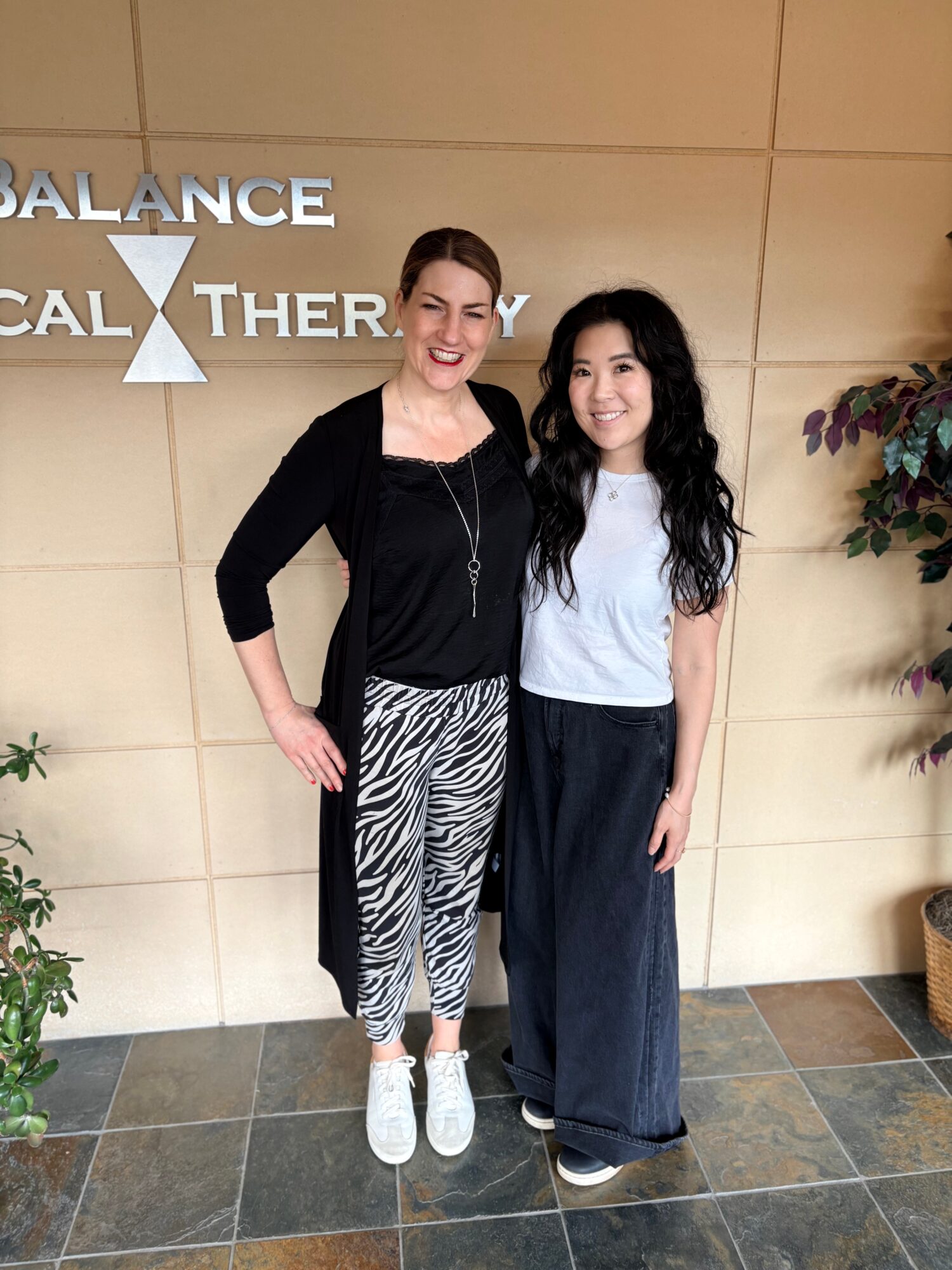
Through my pelvic floor physical therapist, Alissa Grams, I learned how to release tension I didn’t even realize I was holding. I learned how to downtrain my body. How to feel safe again.
I’m still not where I want to be. I don’t know if I’ll ever live completely pain-free. But most days now, my pain is manageable at a 3 out of 10.
Would you say it’s been a smooth road, and if not what are some of the biggest challenges you’ve faced along the way?
This is the most turbulent ambiguity I’ve ever faced. I didn’t realize how easy it was to help others through their hardest challenges, but when I was the one facing a health crisis, I had no idea what to do. Women’s healthcare is failing us. On average, women live 4 to 11 years in pain before being diagnosed with endometriosis. That is unacceptable. We are expected to navigate a fragmented, complex system while functioning at an executive level in the middle of a health crisis. I was unfamiliar and never heard of endometriosis, adenomyosis, fibroids, pudendal neuralgia, pelvic floor dysfunction, mass cell activation syndrome until I was experiencing the symptoms
Getting to the root cause of pelvic pain is tricky because rarely is the pain driven by one diagnosis. Often times, it’s overlapping ones. According to the World Health Organization, 190 million women have Endometriosis. The National Library of Medicine cites Adenomyosis is estimated to affect 10–80% of premenopausal women, with an even highly incidence and prevalence in women with infertility and chronic pelvic pain. Pudendal neuralgia is chronic neuropathic pain disorder caused by compression or irritation of the pudendal nerve, often between the sacrospinous and sacrotuberous ligaments or within the Alcock canal. Pudendal neuralgia can occur from prolonged sitting, cycling, pelvic trauma, and childbirth. It’s frequently misdiagnosed and affects roughly 1 in 100,000 people. The numbers are likely highly given it is frequently under diagnosed. Mast Cell Activation Syndrome (MCAS) is a complex and often misunderstood condition characterized by the inappropriate activation of mast cells—immune cells responsible for releasing inflammatory mediators like histamine, prostaglandins, and leukotrienes. Unlike allergies, where mast cells respond to a specific allergen, MCAS causes chronic, unpredictable activation that leads to widespread inflammation. MCAS is estimated to affect 17% of the global population, yet it remains underdiagnosed due to its diverse symptoms that mimic conditions such as allergies, autoimmune diseases, and post-viral syndromes like long COVID.
We need systemic change and to build a better future for women to thrive in the workplace.
ChatGPT became an unexpected ally in my journey. Using AI, I was able to accelerate my diagnoses, organize my symptoms, and communicate more effectively with my doctors. It helped me ask better questions, evaluate risks, and make informed decisions when time felt like it was running out.
We need to rethink working conditions for women. Sitting is the new form of smoking. Standing desks are table stakes for the workplace. Leaders can make a healthy difference in their team’s lives by encouraging moving around, stretching, breathwork to regulate the nervous system, and providing ergonomic chairs.
America needs to do better for women’s healthcare. In France, new mothers are prescribed 10-20 sessions of pelvic floor rehabilitation covered by national health. In Belgium, pelvic floor physiotherapy is routinely prescribed after birth.
Food is medicine and it’s critical that employers are providing accessibility to affordable organic, freshly made whole food options.
But no one should have to fight this hard just to be heard. Today, I’m still healing. But I’m also living differently. I listen to my body. I nourish it. I move it with care. I’m resting without guilt. And most importantly…I’m advocating for a better future through my story. If sharing my story helps even one woman feel seen, advocate for herself, or get diagnosed sooner, then every painful step of this journey has meaning.
Thanks for sharing that. So, maybe next you can tell us a bit more about your work?
I lead at the intersection of business performance and human resilience. As a corporate leader at Fortune 500 companies, I specialize in building high-performing teams, scaling operations, and developing people into their fullest potential. I’m known for delivering results while leading with empathy. I believe in creating environments where both the business and the individual can thrive.
What sets me apart is that my leadership isn’t theoretical. It’s inspired by real lived experiences. Walking through my Endometriosis journey has reshaped how I show up: with clarity, courage, and an unwavering focus on what truly matters. I’ve learned how to lead, build, and persevere even when circumstances are far from ideal.
Is there anyone you’d like to thank or give credit to?
I owe my life to my care team who stood by me, believed me, guided me, and helped me find a way back to myself. Thank you to Dr. Leslianne Yen, Dr. Birte Wolff, and Dr. Una Lee who treated my pudendal neuralgia, Alissa Grams my pelvic floor physical therapist, Robert Bowers for ongoing pain management, Amy Yamamoto for taking care of my mental health, Dr. Kelly Buechel and Dr. Jen Johnson for naturopathic support, and acupuncturist Lindsay Lawson.
I cannot thank my friends and family enough for coming to visit me during my darkest days when it was painful to move. These visits kept me alive. To everyone who showed up for me when I couldn’t leave the house…thank you. During a season where pain made my world feel small, your presence made it feel full again. The conversations, the laughter, the quiet moments… they reminded me that I’m not alone and that life is still happening, even here.
Contact Info: