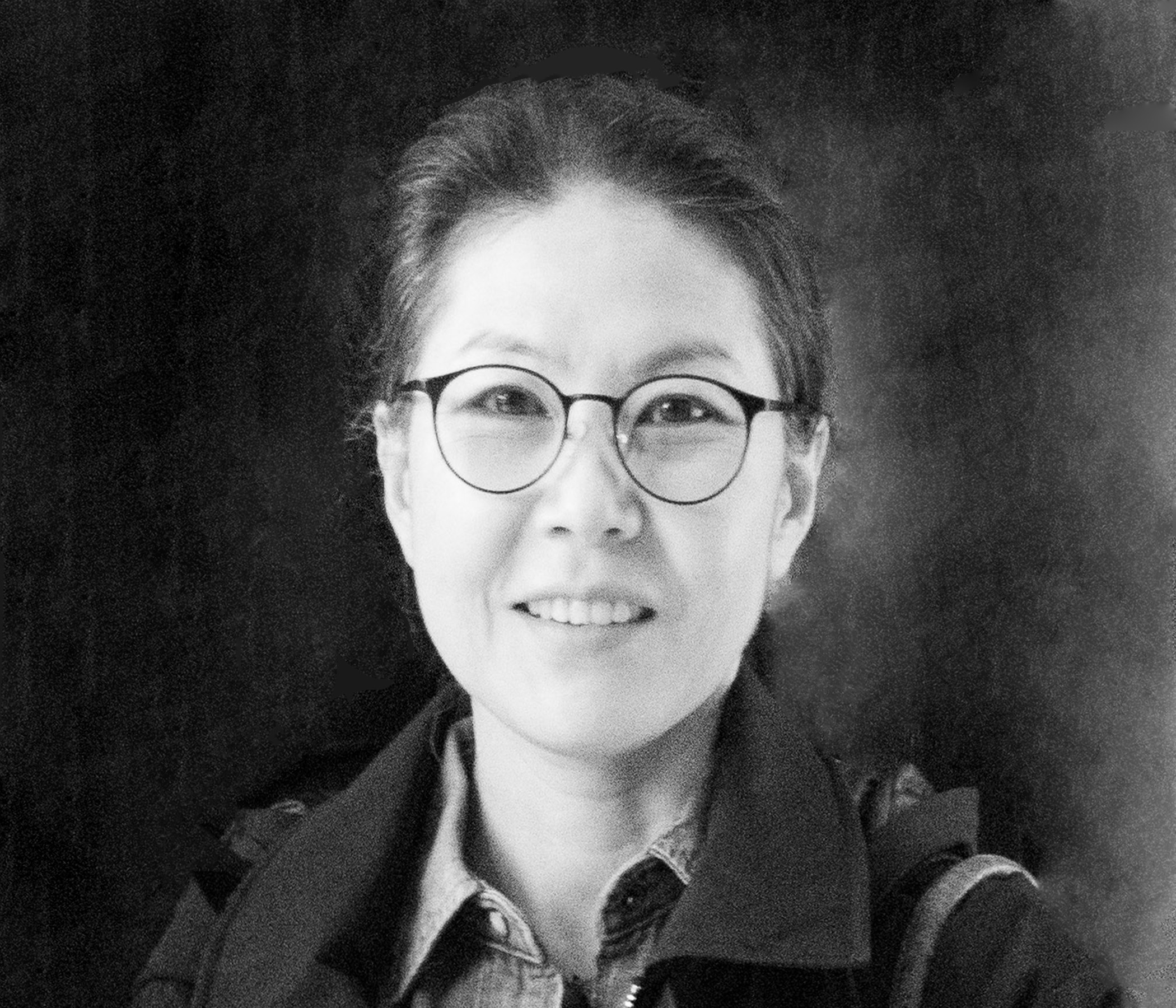



Today we’d like to introduce you to Emily Jounghee Won.
Hi Emily Jounghee, we’d love for you to start by introducing yourself.
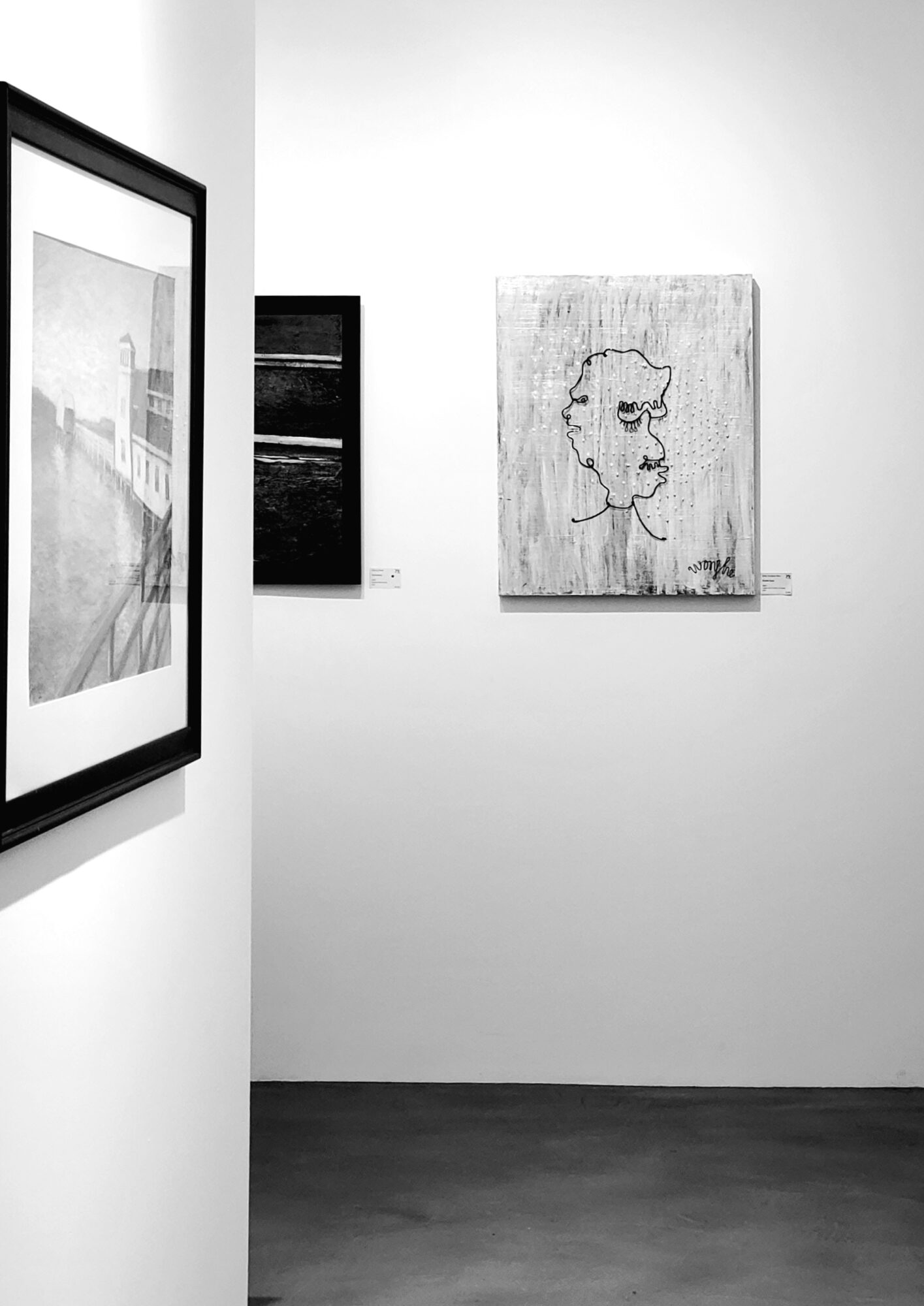
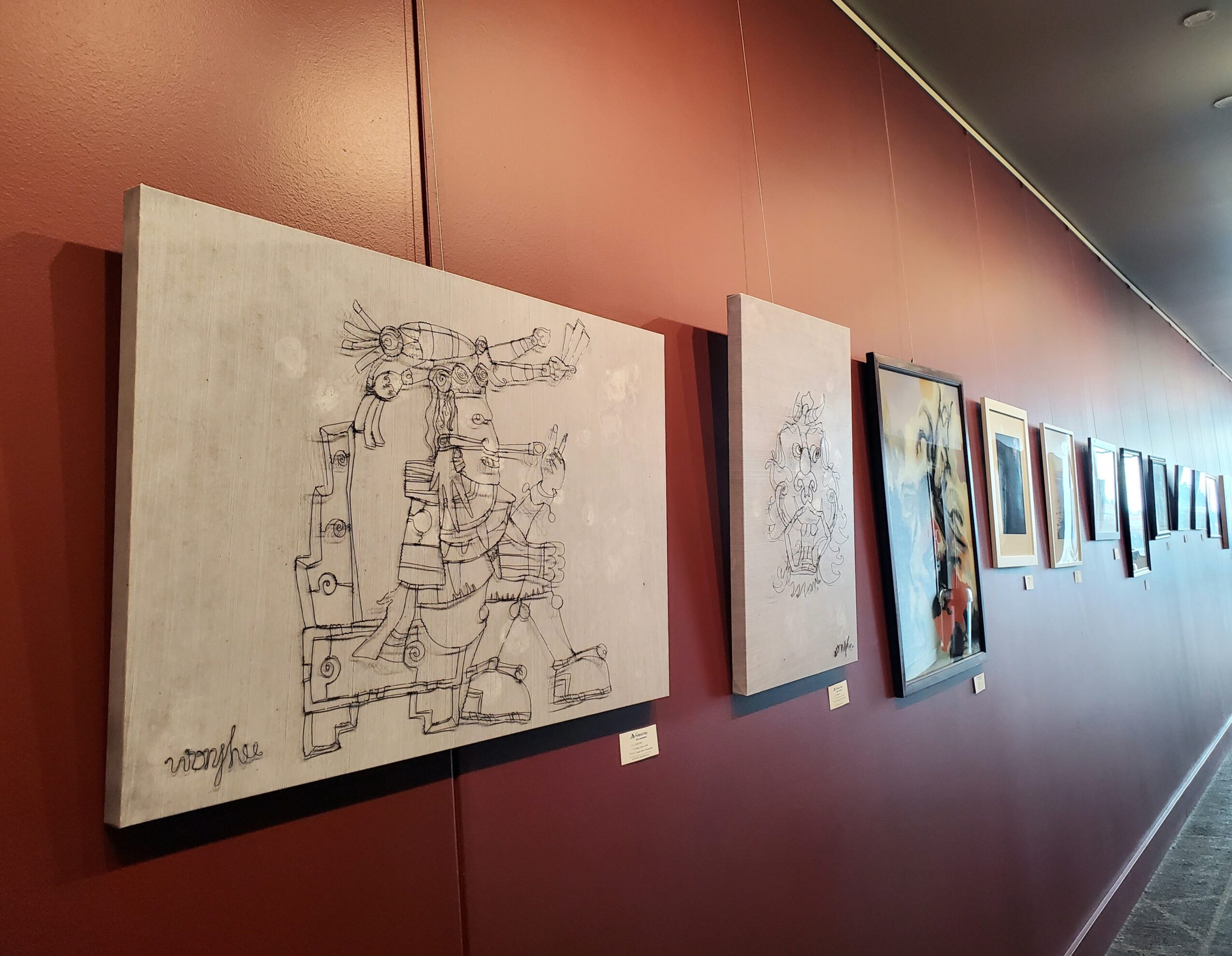
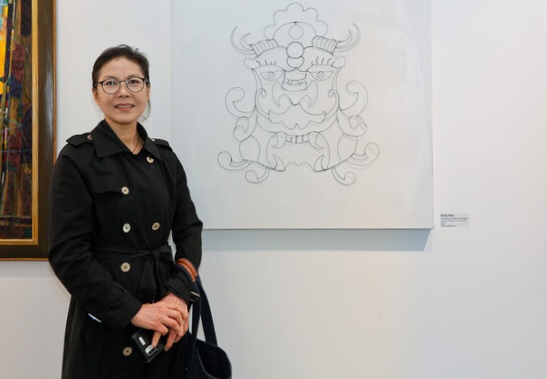
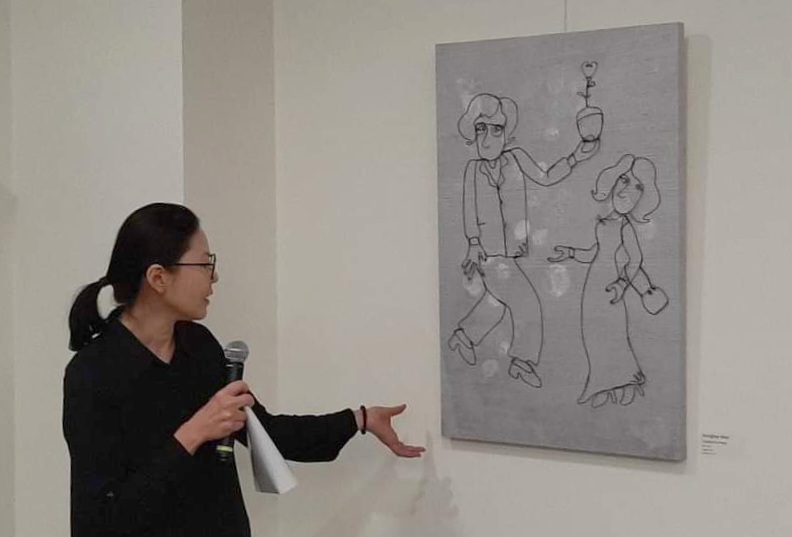
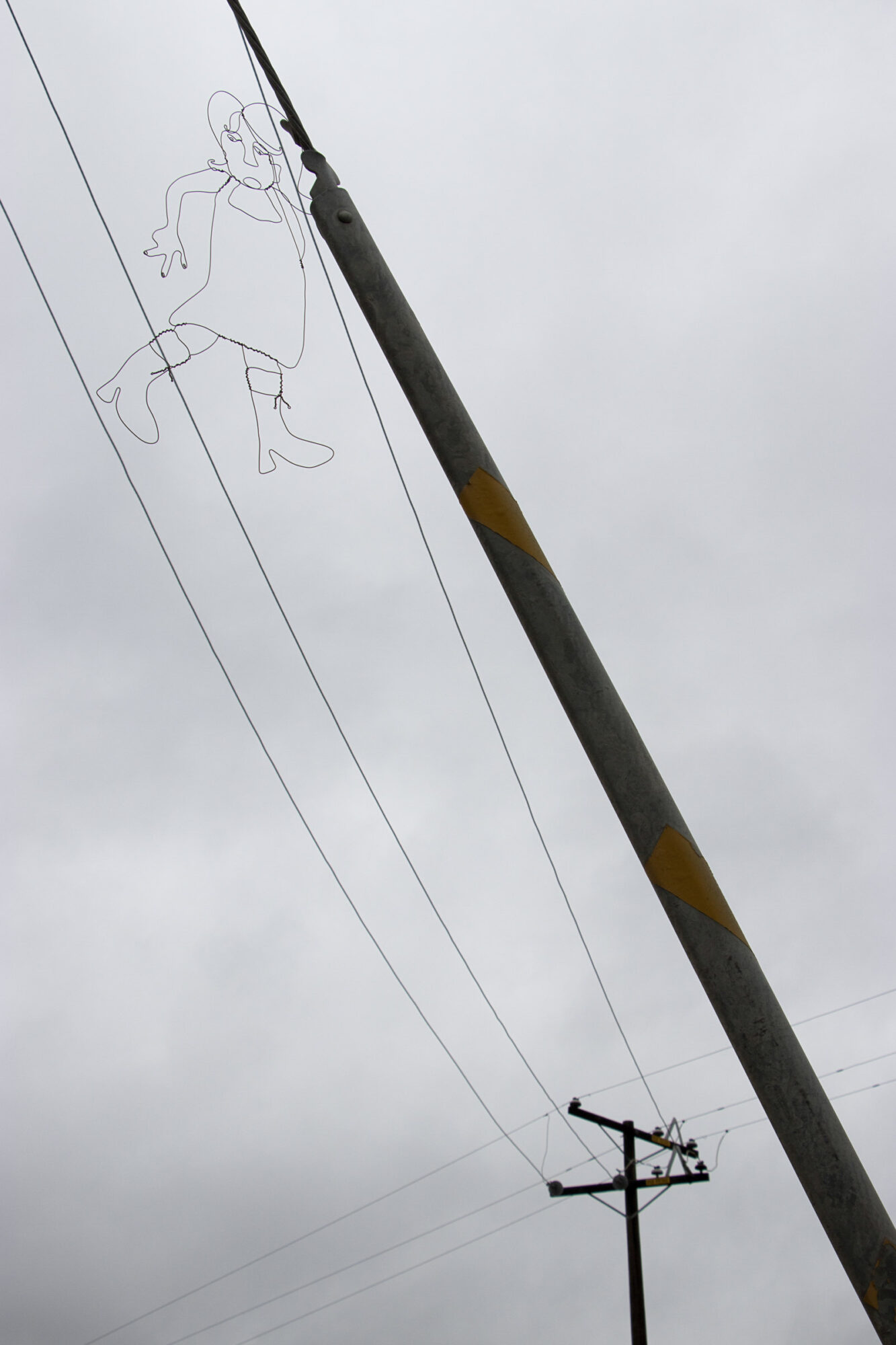
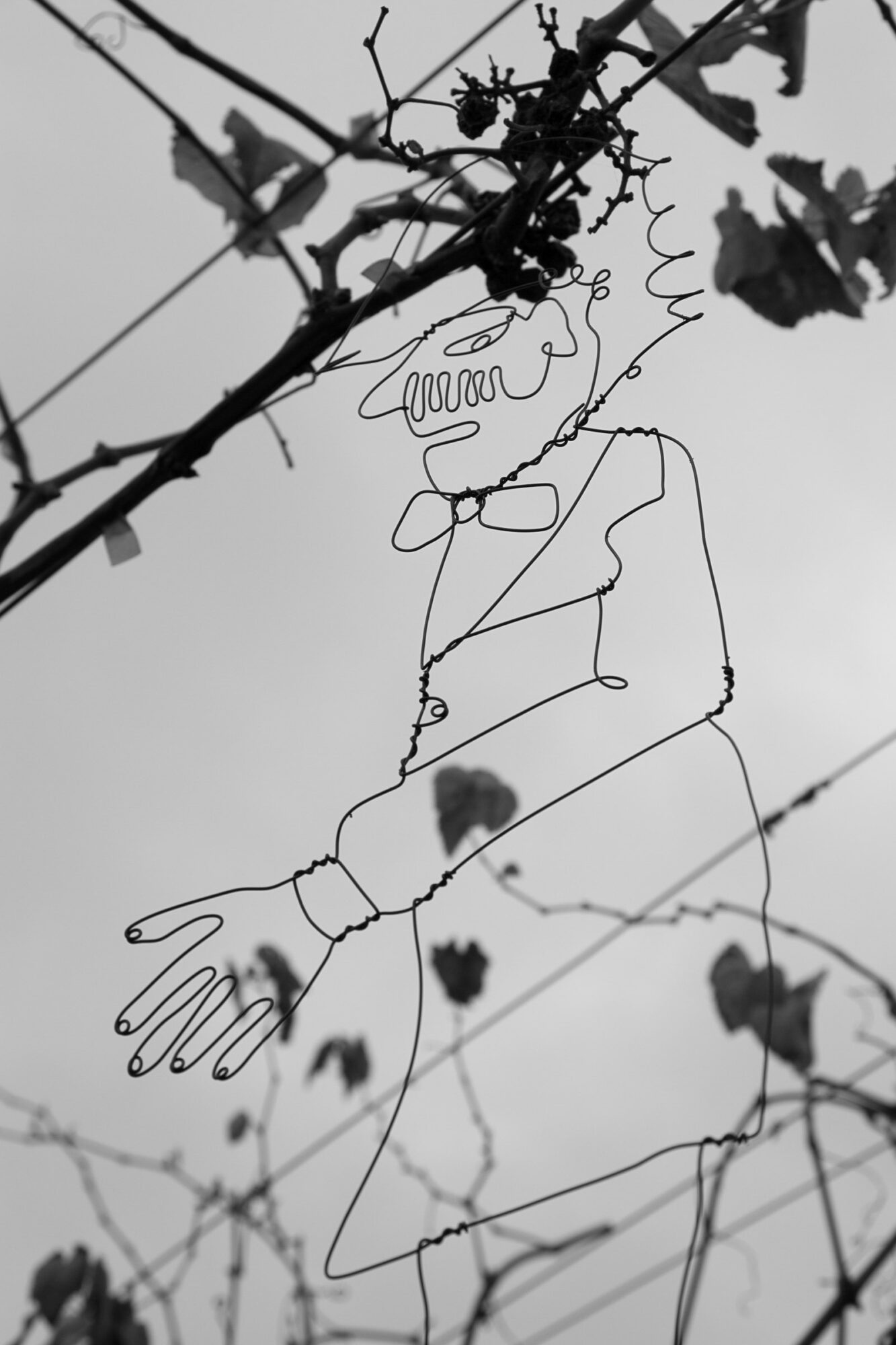
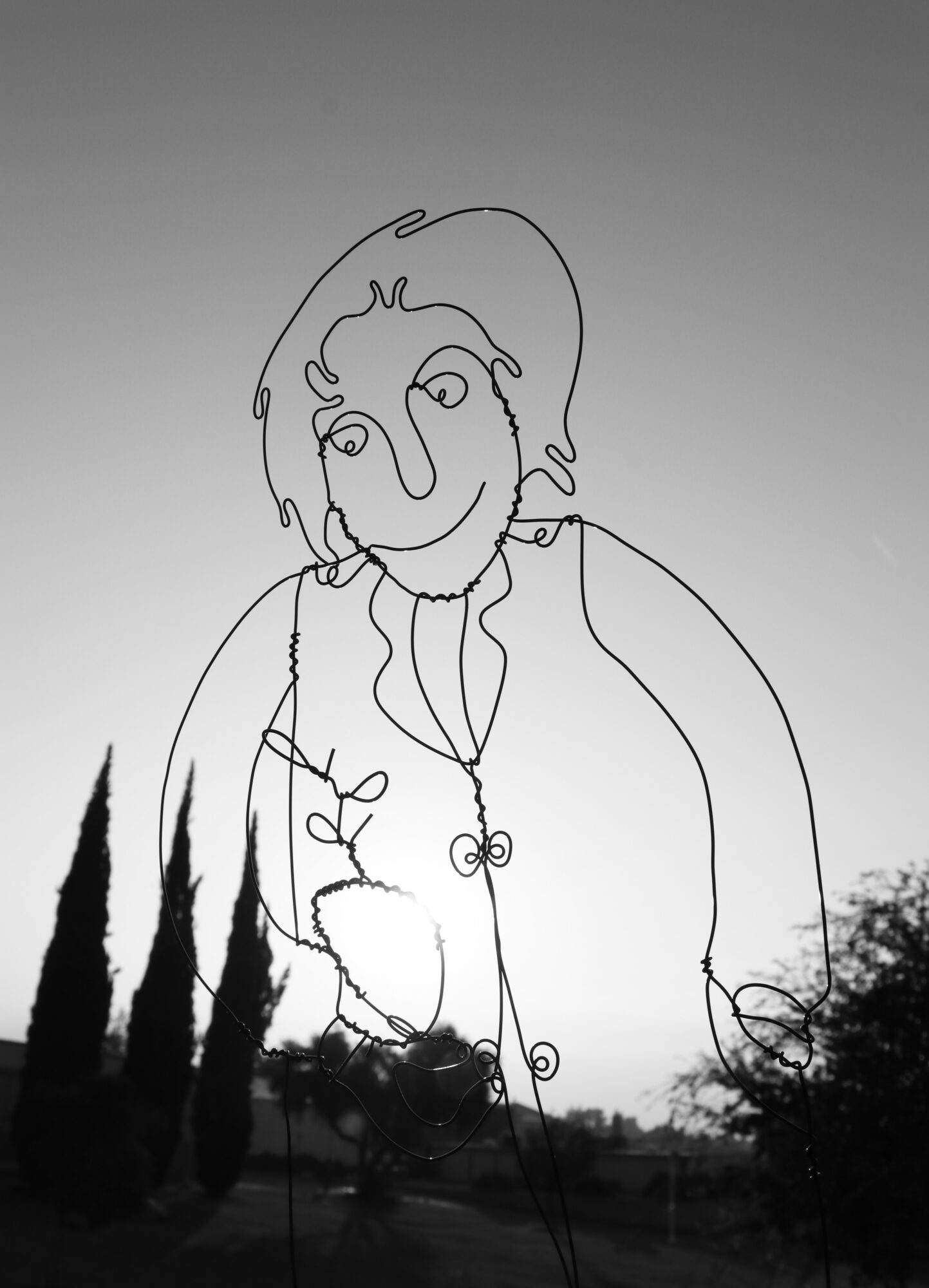
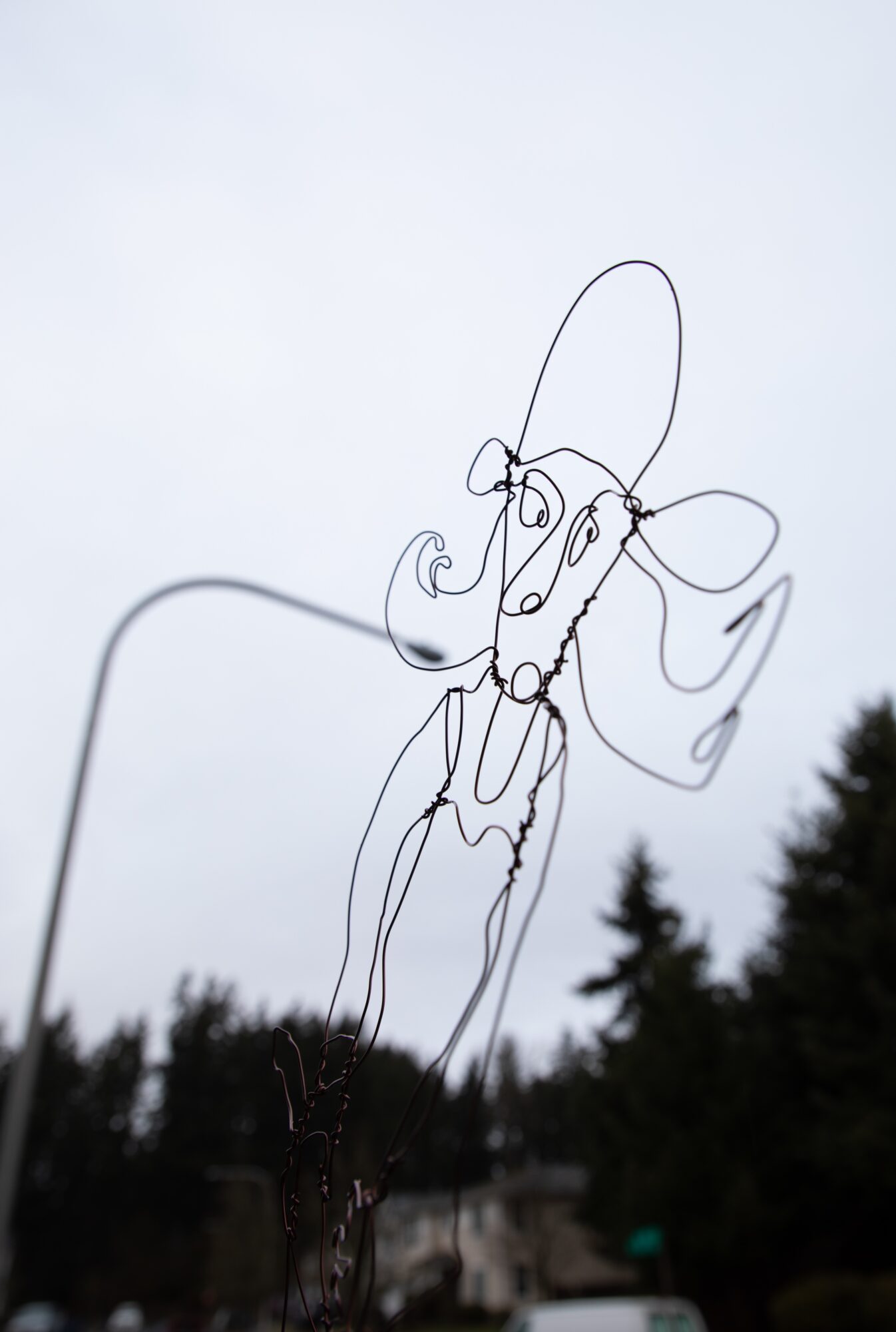
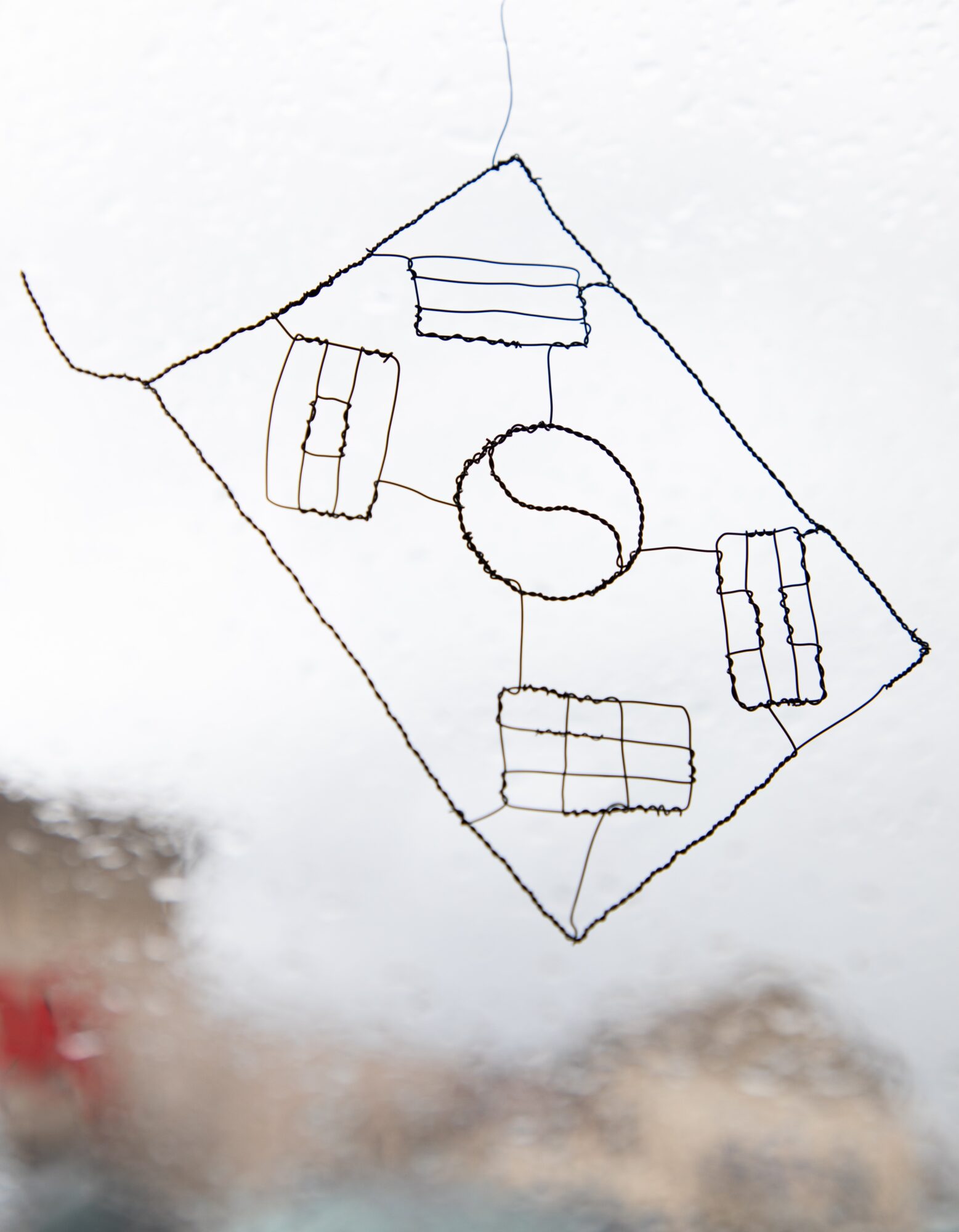
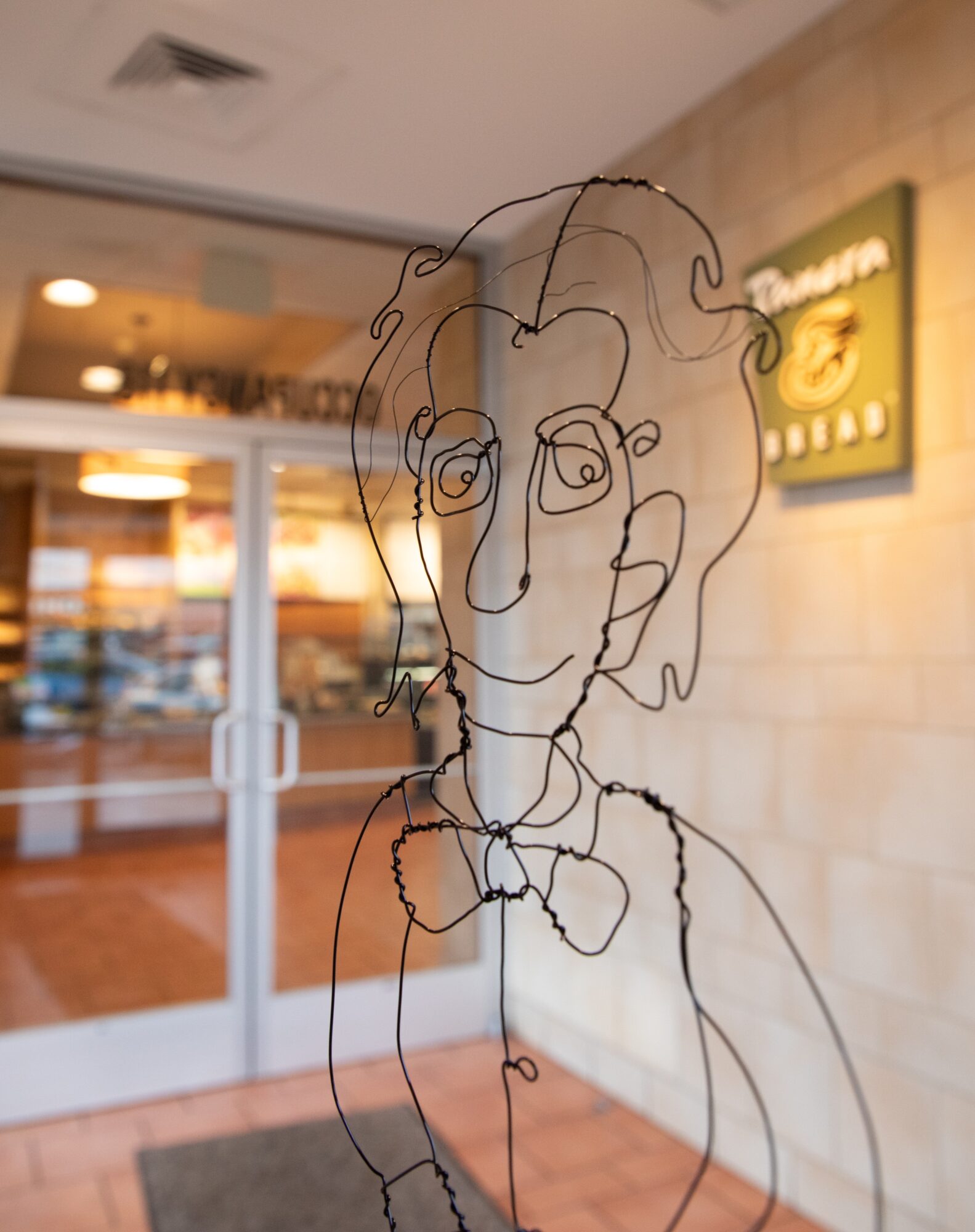
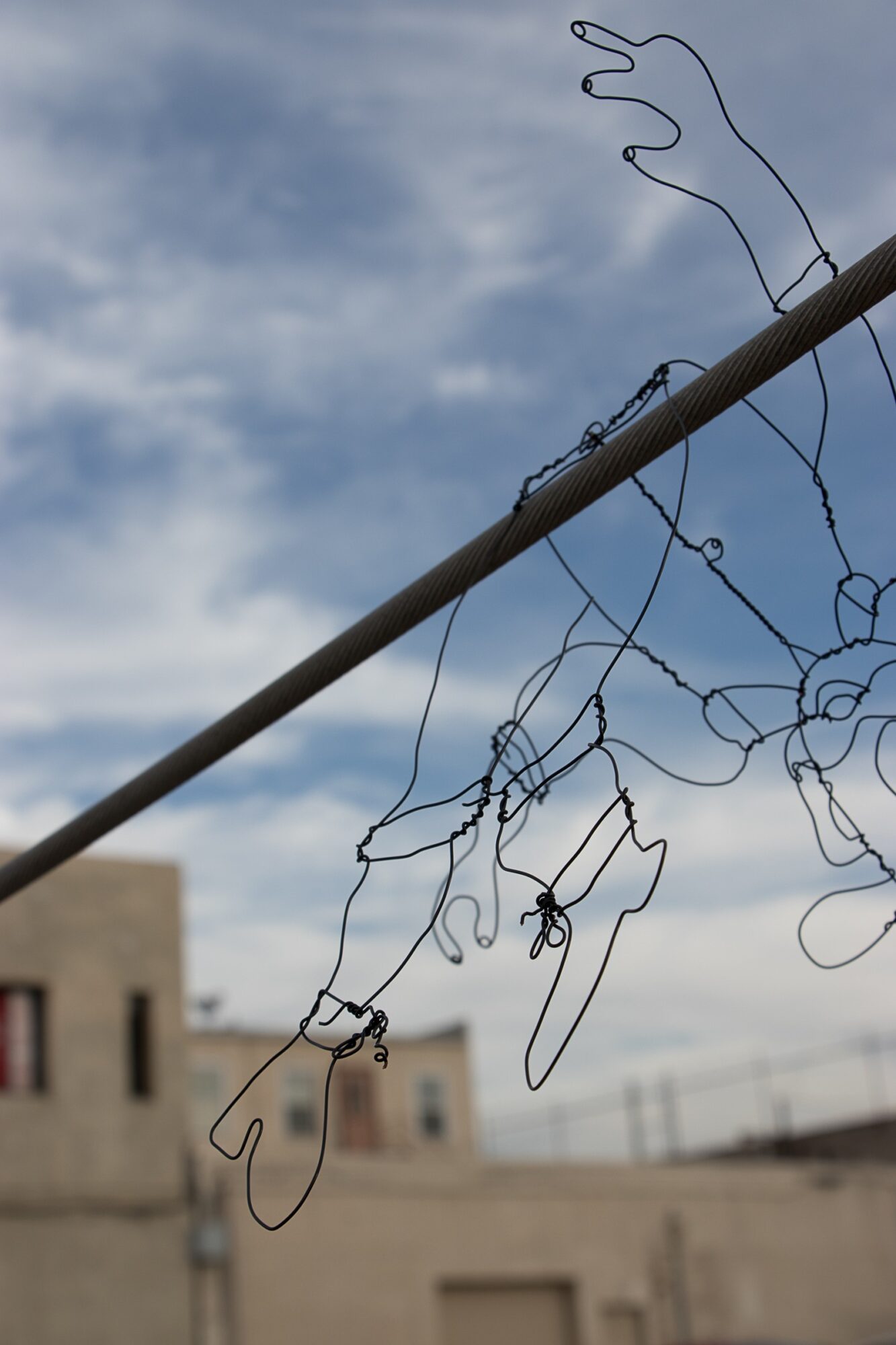
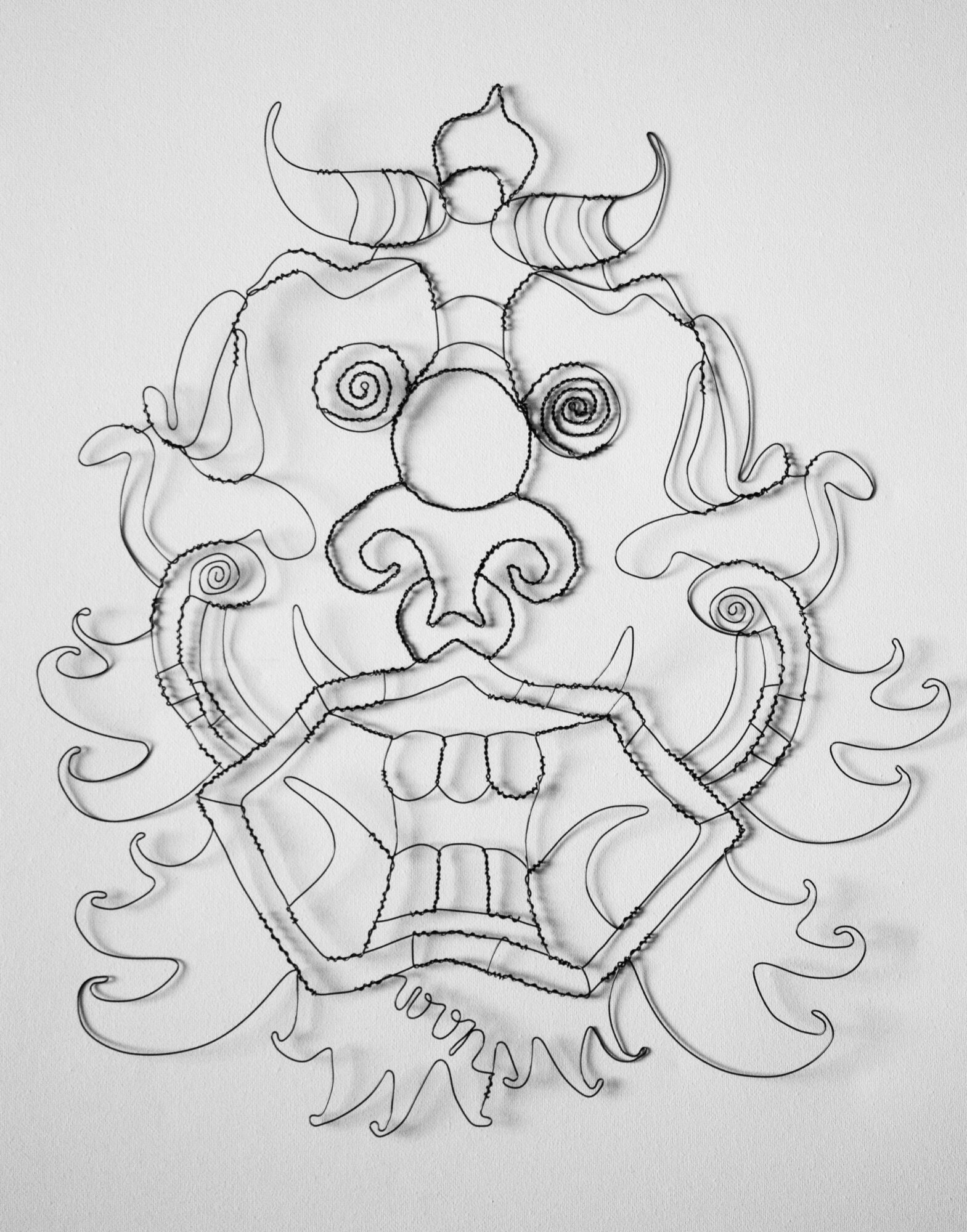
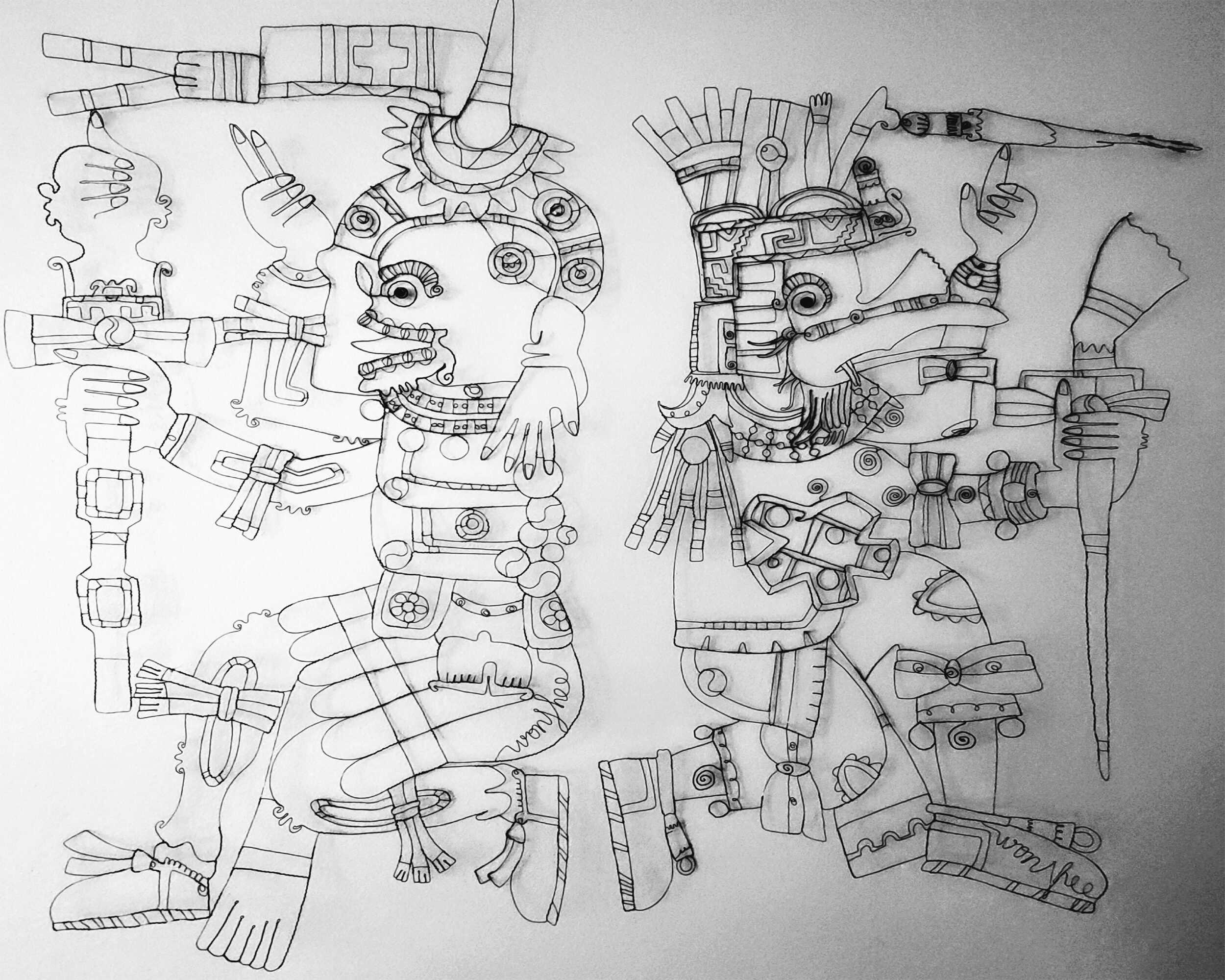
My journey as an artist and educator has been shaped by memory, movement, and a deep desire to understand identity. I began my path in Korea, where I earned my BFA and MFA in fine arts and spent many years working in painting and drawing. During my graduate studies, I began exploring wire drawing as a way to express more fluid and emotional lines. This approach continues to influence my work today. Even then, I was less interested in simply representing what I saw and more drawn to expressing what I felt, including subtle emotions, quiet moments, and the traces they leave behind.
In 2015, I came to the United States as an international student. It was a time of both uncertainty and growth, as I had to navigate everything on my own, including language, culture, and daily life. At the same time, I saw this transition as an opportunity to expand my artistic practice. Building on my background in painting, I began exploring digital media and photography, areas I had long intended to develop further. Living in an unfamiliar environment, I became deeply aware of small and fleeting moments such as light, movement, and quiet changes in nature. Observing these details became a way for me to process my emotions and reconnect with myself.
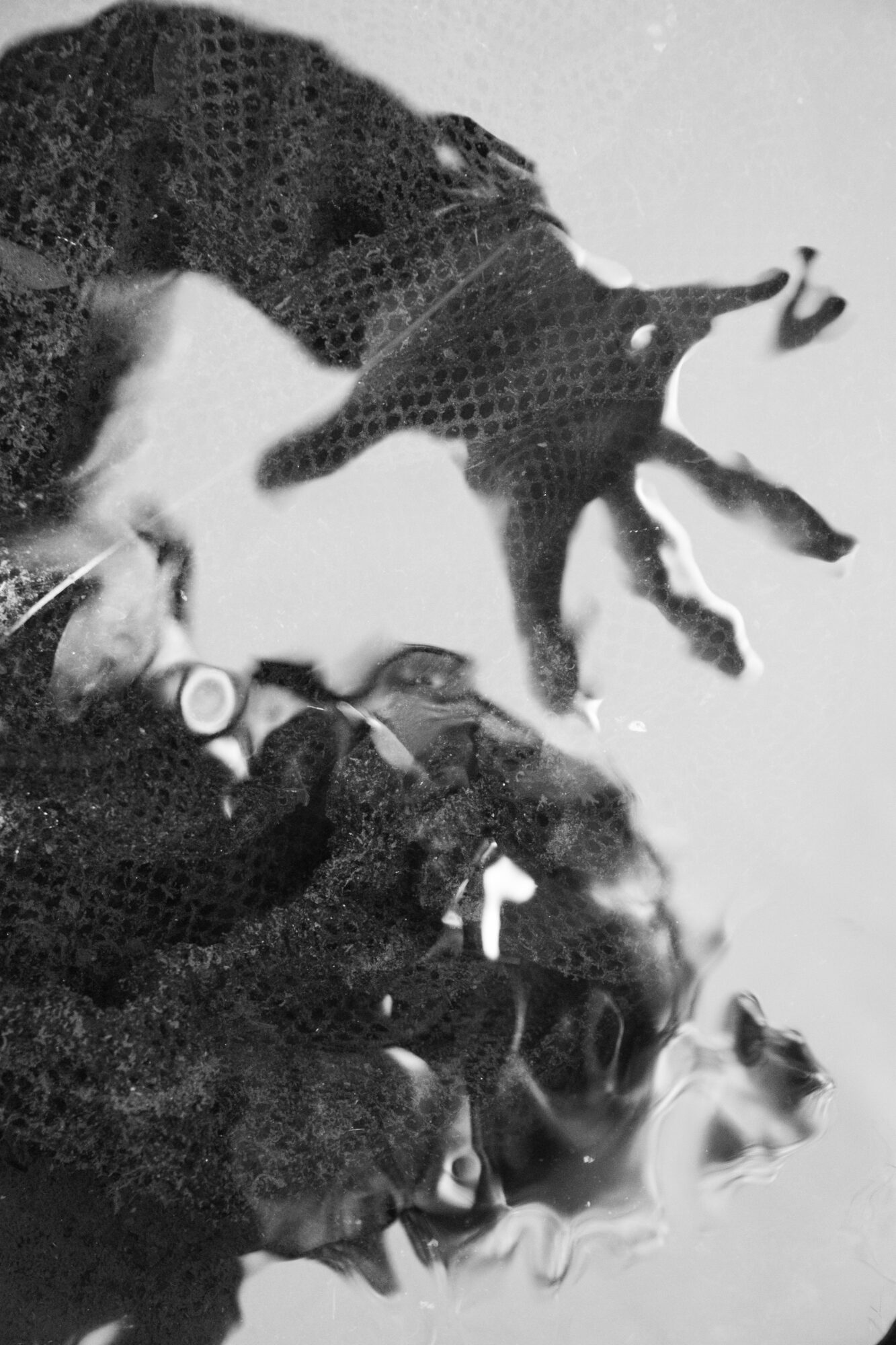
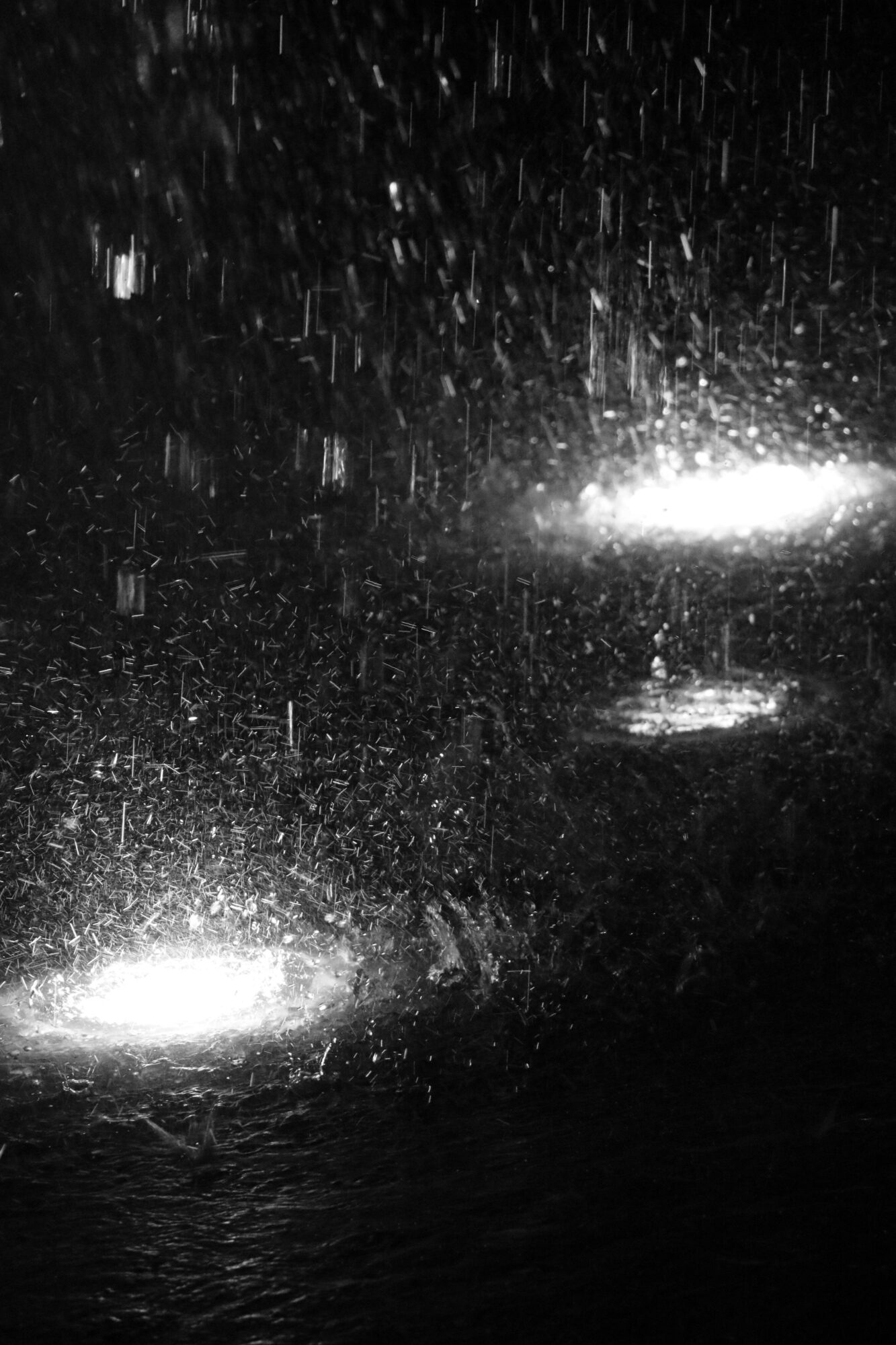
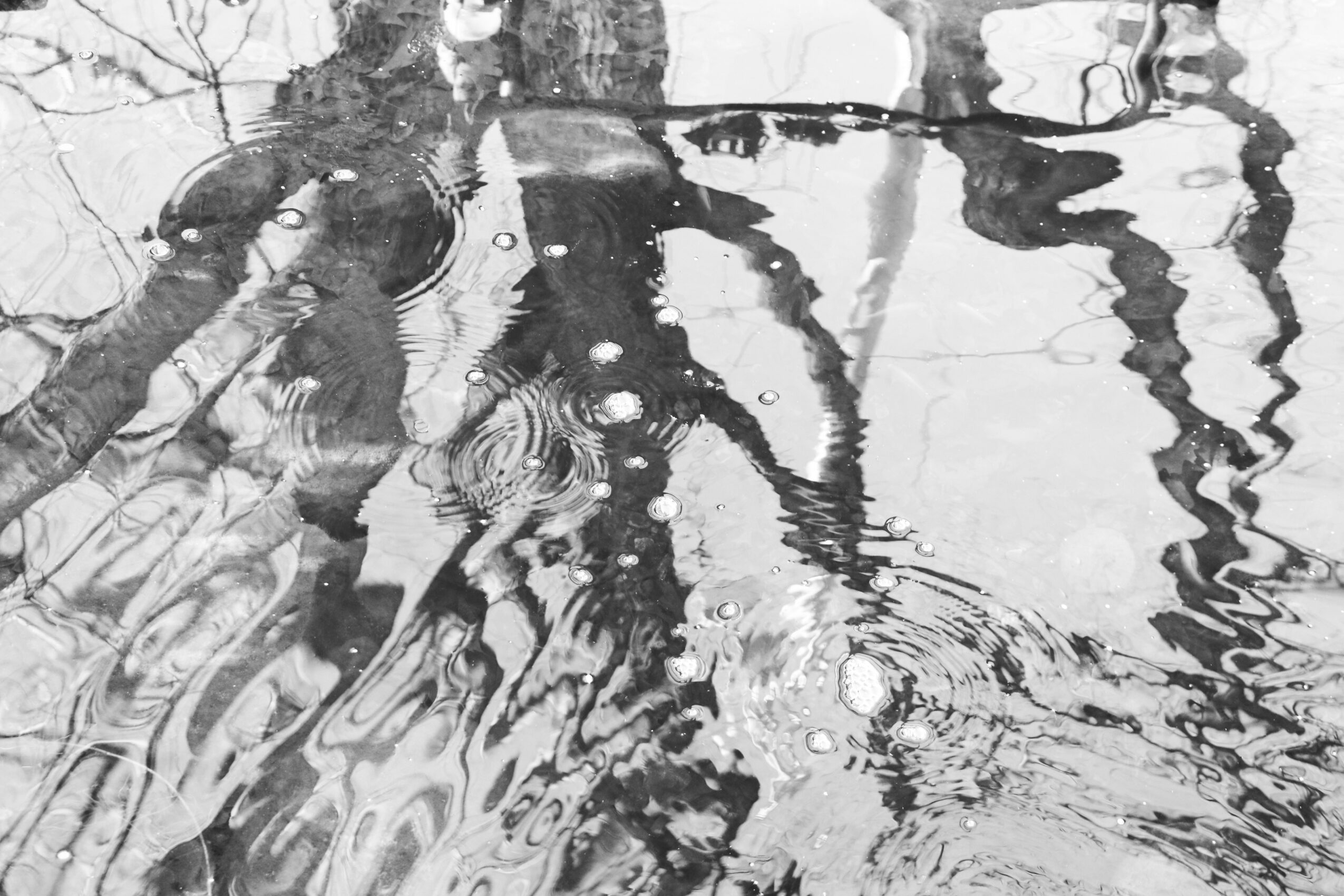
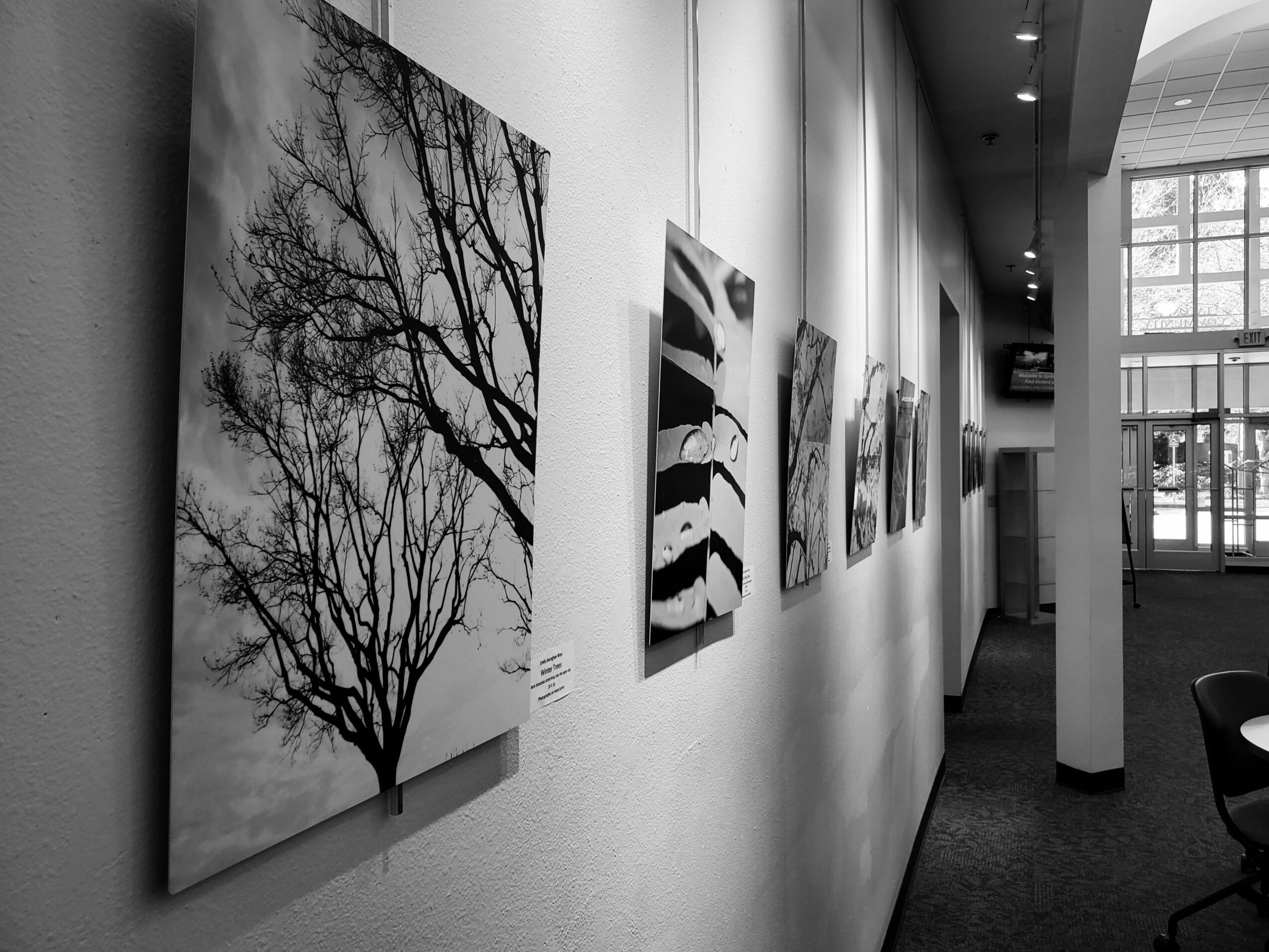
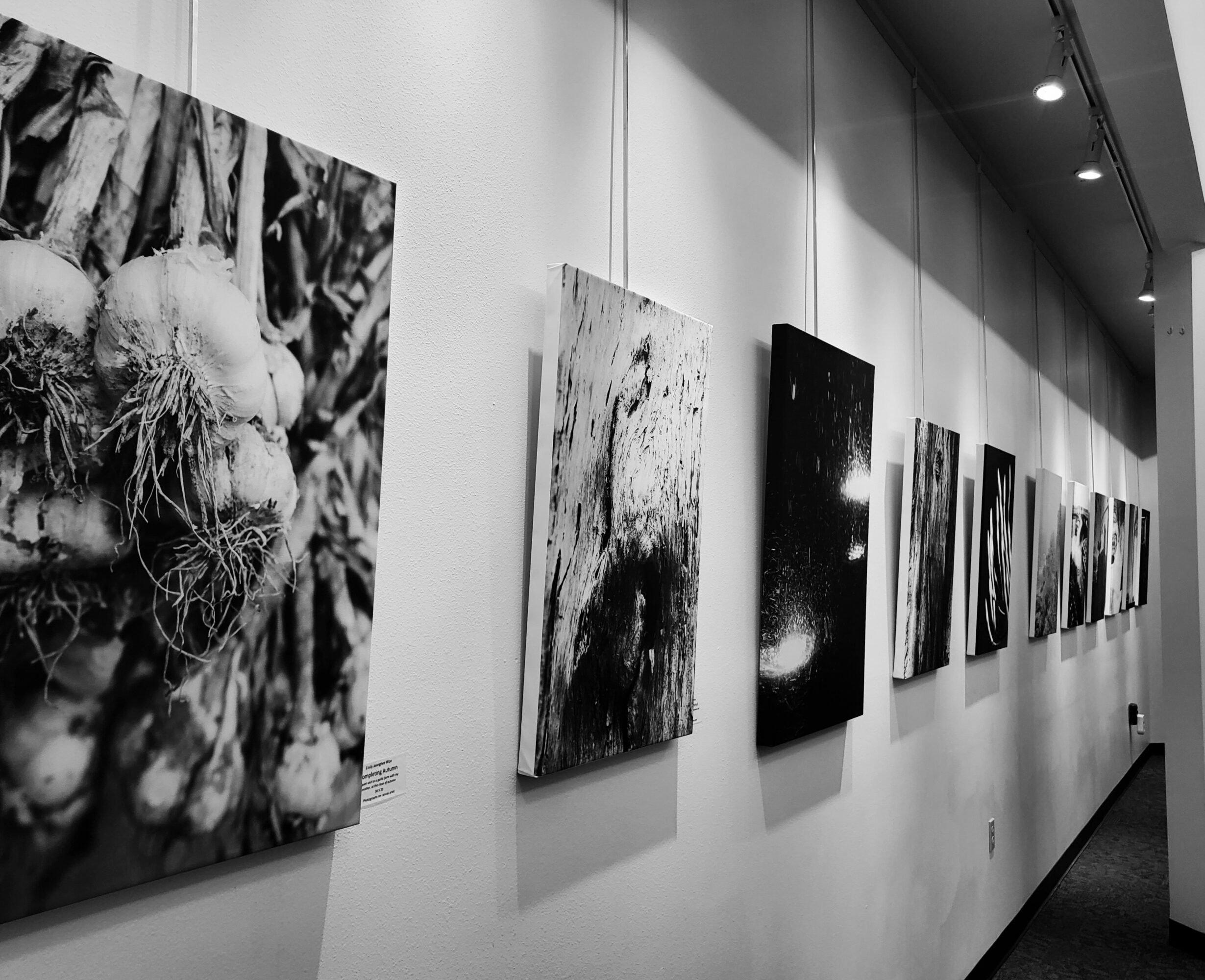
This shift naturally led me to photography. Through black and white abstract images, I began to explore the space between memory and the present, as well as between what is seen and what is felt. My work became a way of weaving together fragments of experience from both Korea and my life in the United States into a visual language of identity and belonging.
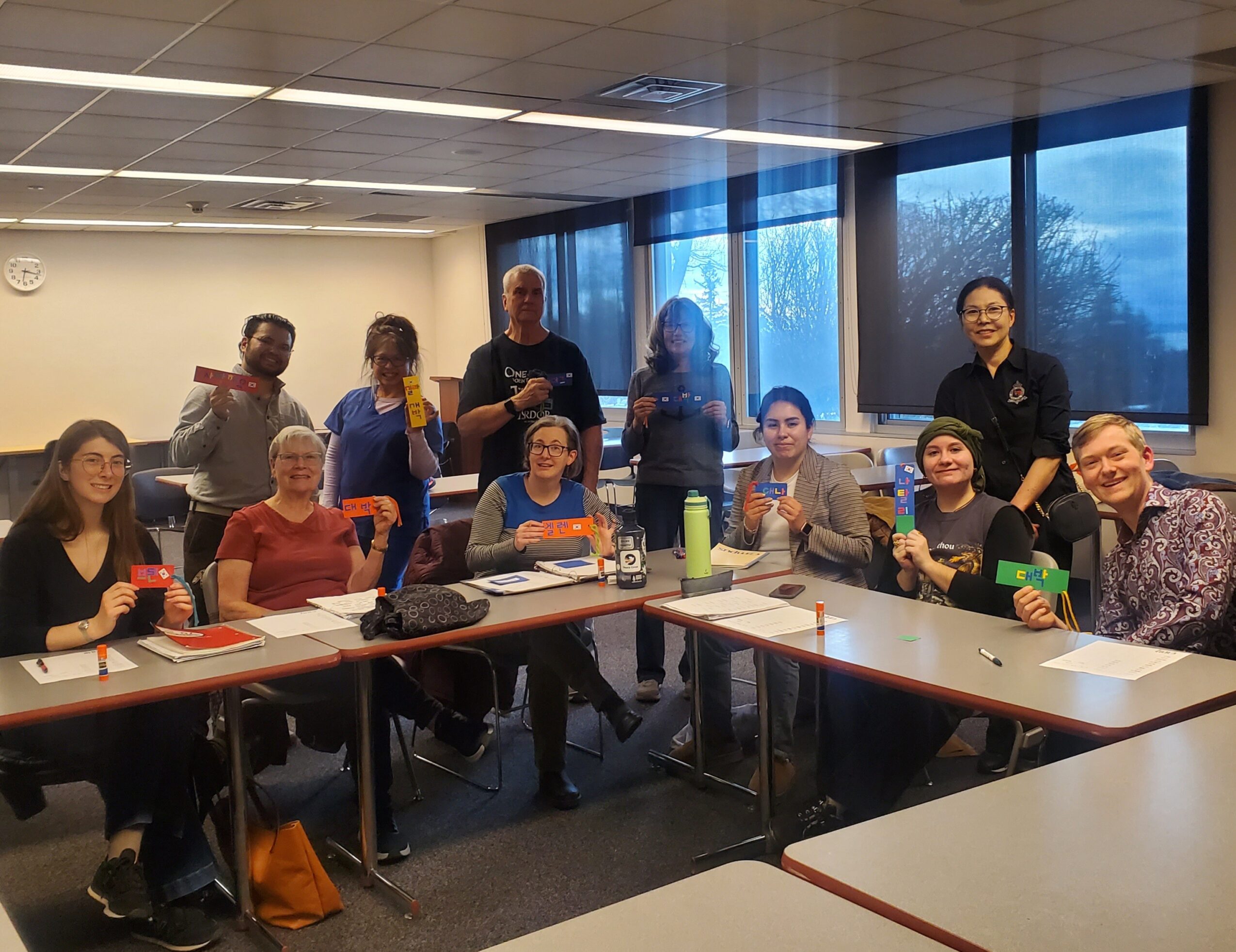
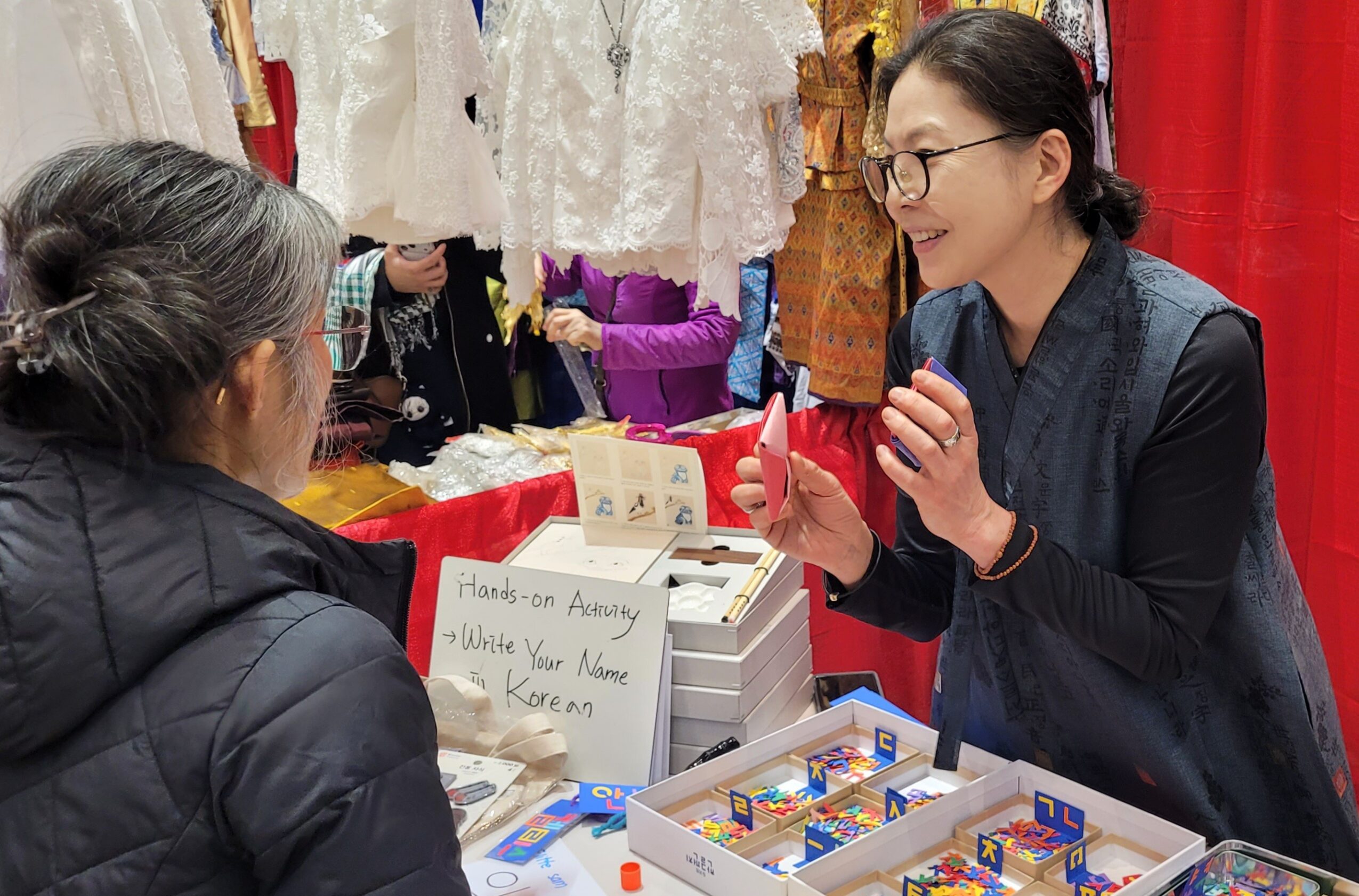
Alongside my work as an artist, I have also dedicated myself to education. I previously served as the Director of the Washington Education Institute, and I have been teaching Korean for over six years, including the past two years teaching adult students in a continuing education program at Highline College. Through these experiences, I have come to see teaching as closely connected to my artistic practice. Both are about creating space for expression, understanding, and connection. Whether in the classroom or through my artwork, I hope to help others feel seen and inspired to explore their own stories.
Today, I continue to work across photography, painting, and sculptural wire drawing, guided by the same question that has followed me throughout my life: how do I understand who I am, especially when I exist between places, cultures, and memories? My work is my way of gently holding that question and inviting others into it.
We all face challenges, but looking back would you describe it as a relatively smooth road?
It has not been a smooth road. When I first came to the United States as an international student, I was completely on my own. I did not have any family or support system nearby, and I was raising my two children while my husband remained in Korea for work. In Korean, there is a term known as “goose mother,” which reflects this kind of situation, and that was my reality at the time.
Even the simplest parts of daily life felt overwhelming at first, as I had to learn how to drive in the U.S., take my children to school, and manage everything alone in an unfamiliar environment, and I remember going to the DMV without fully understanding the process, being told my documents were insufficient, struggling to understand as the staff member raised her voice in a quiet room where everyone turned to look at me, feeling deeply embarrassed, asking her to write down what I needed, and leaving in tears.
I also faced challenges while studying and working during that time. At one point, in a tutoring center, I was told by a supervisor that teaching students well was not the priority and that I should not try so hard. I was instructed to simply follow the schedule and finish the session regardless of whether the students understood. Despite my dedication, I received the lowest evaluation score for working too carefully and putting in too much effort, which felt deeply unfair and discouraging.
However, those experiences became an important part of my growth. They taught me resilience, independence, and how to continue moving forward even in uncertainty. Over time, I learned how to navigate both life and work in a new environment, and those early struggles have shaped not only who I am as a person but also the depth and perspective of my artistic practice. Through these experiences, I learned that working hard alone is not enough, and that understanding systems and communicating effectively with others is equally important. I also learned how to connect with people and teach students more efficiently within a limited time.
Thanks for sharing that. So, maybe next you can tell us a bit more about your work?
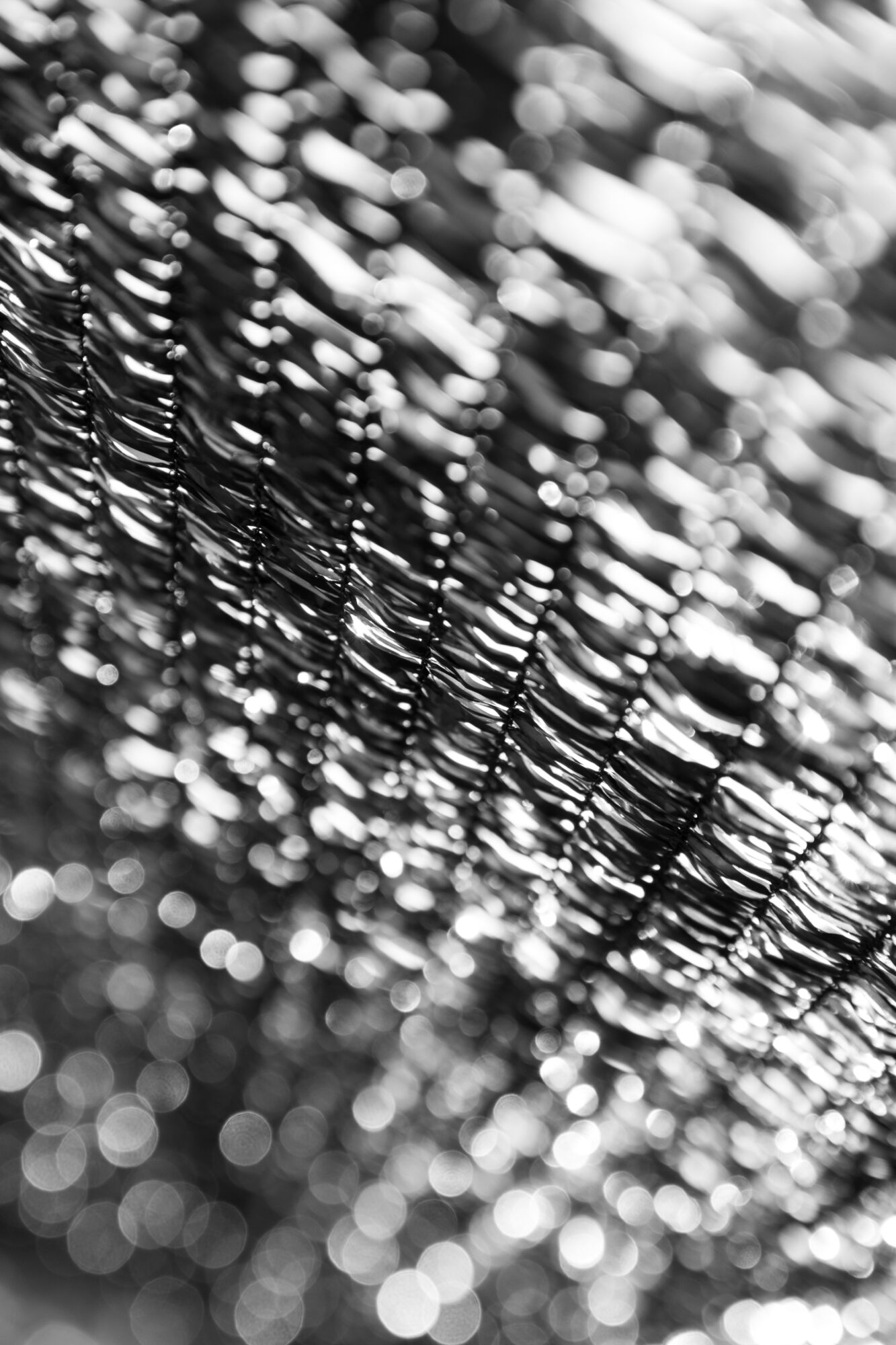
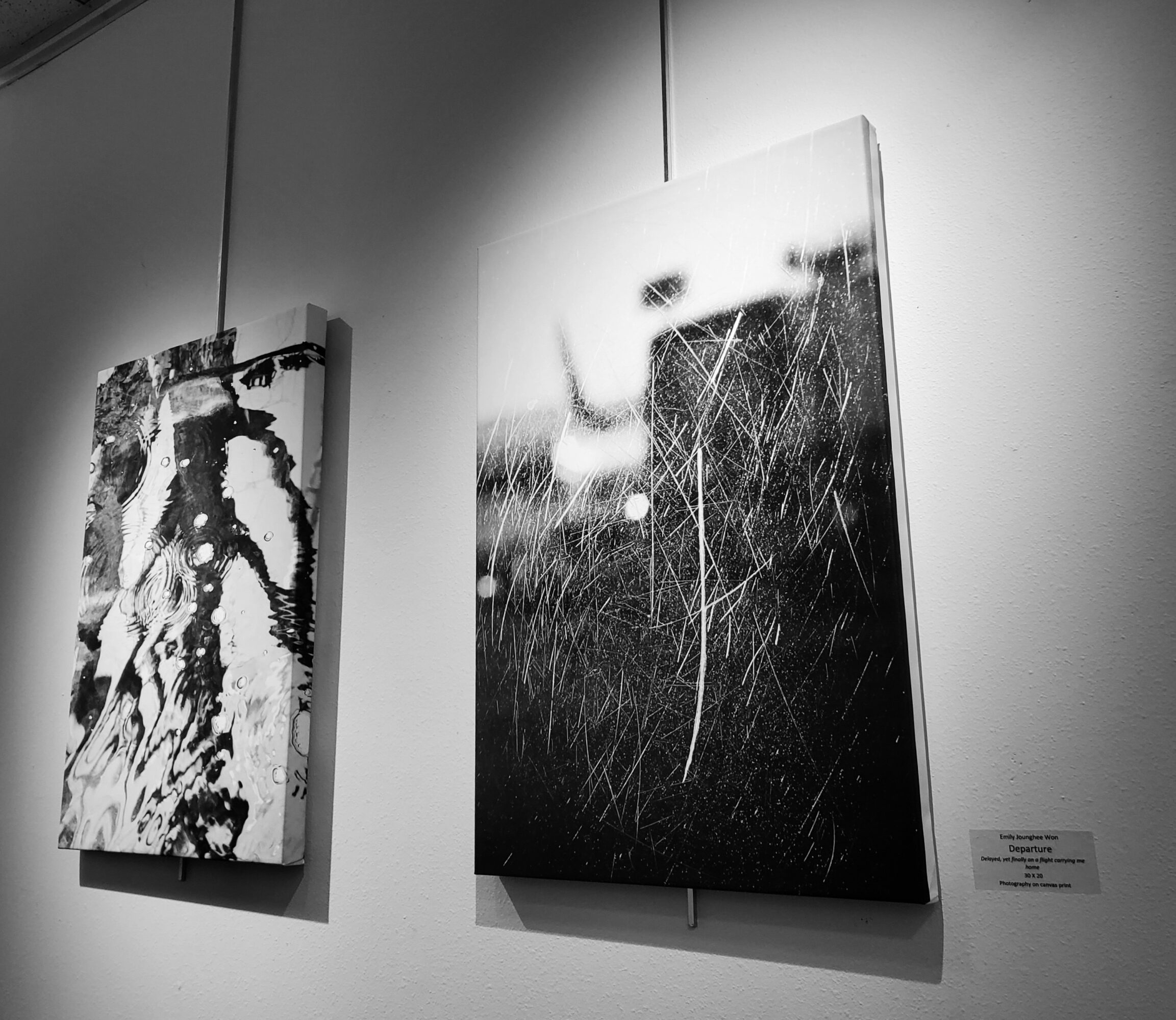
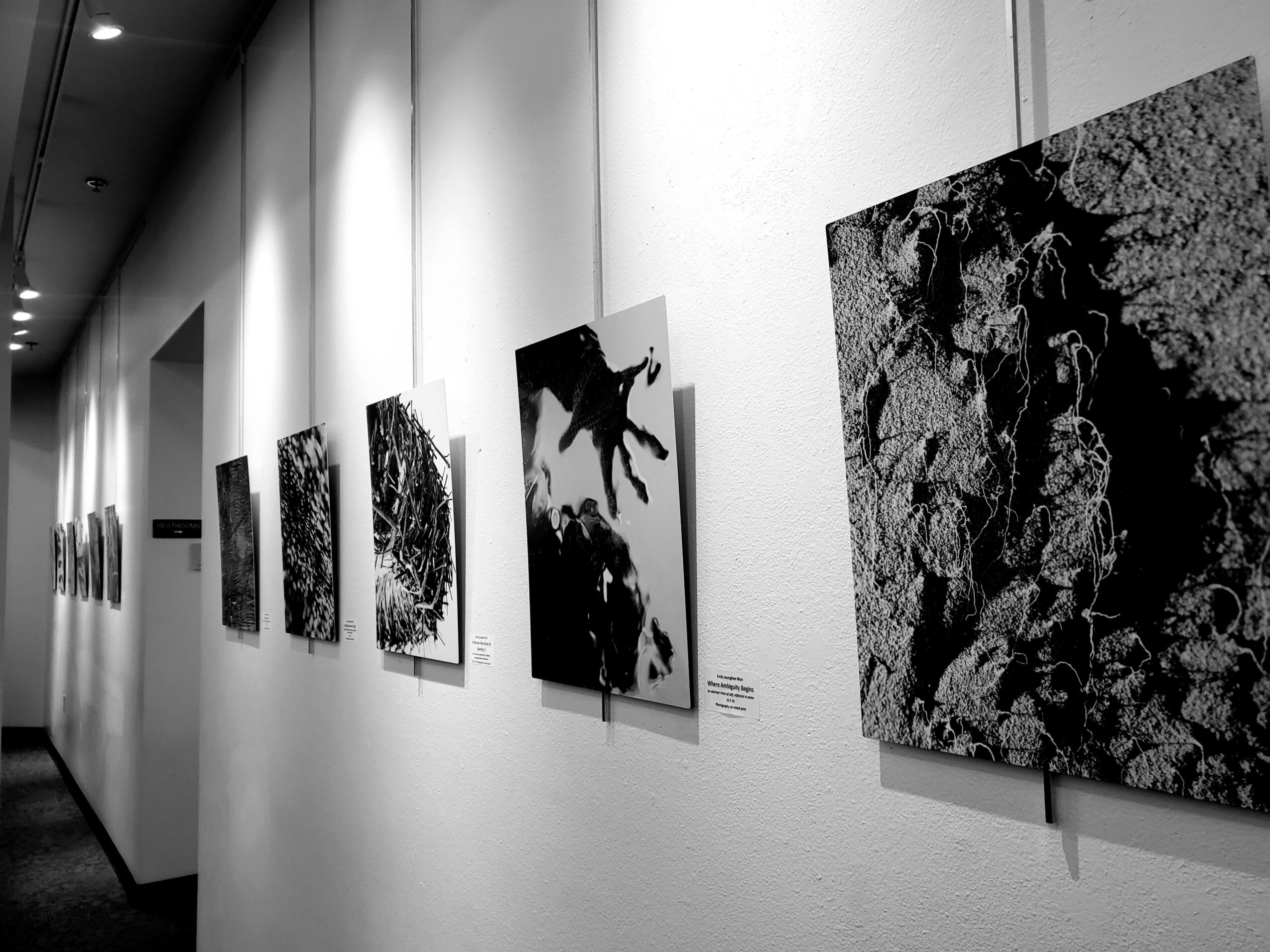
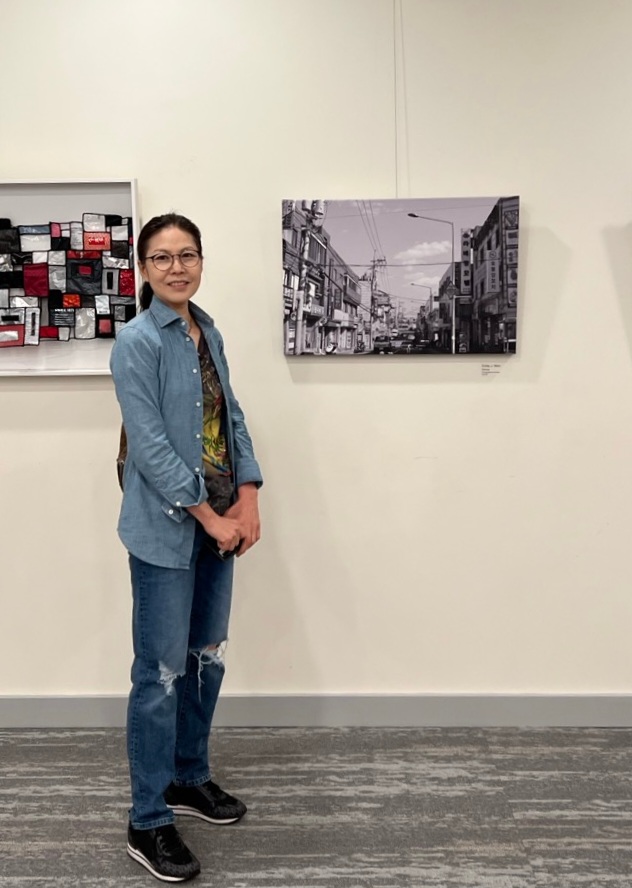
My work centers on exploring memory, identity, and emotional experience through a combination of photography, painting, and sculptural elements. I am particularly known for my black and white abstract photography, where I reinterpret natural forms such as trees, light, and movement to express inner emotions rather than literal scenes. My work is not about documenting reality, but about translating what is felt into visual language.
After coming to the United States, I expanded my artistic practice by studying digital art, photography, and graphic design. I completed a photography certification and continued my studies in graduate school, which deepened my understanding of visual storytelling. In 2019, I moved to Washington State, where I began a new chapter in both my life and career. Adjusting to a new environment once again was not easy, especially during the isolation of the pandemic, but that period allowed me to fully immerse myself in my artistic practice.
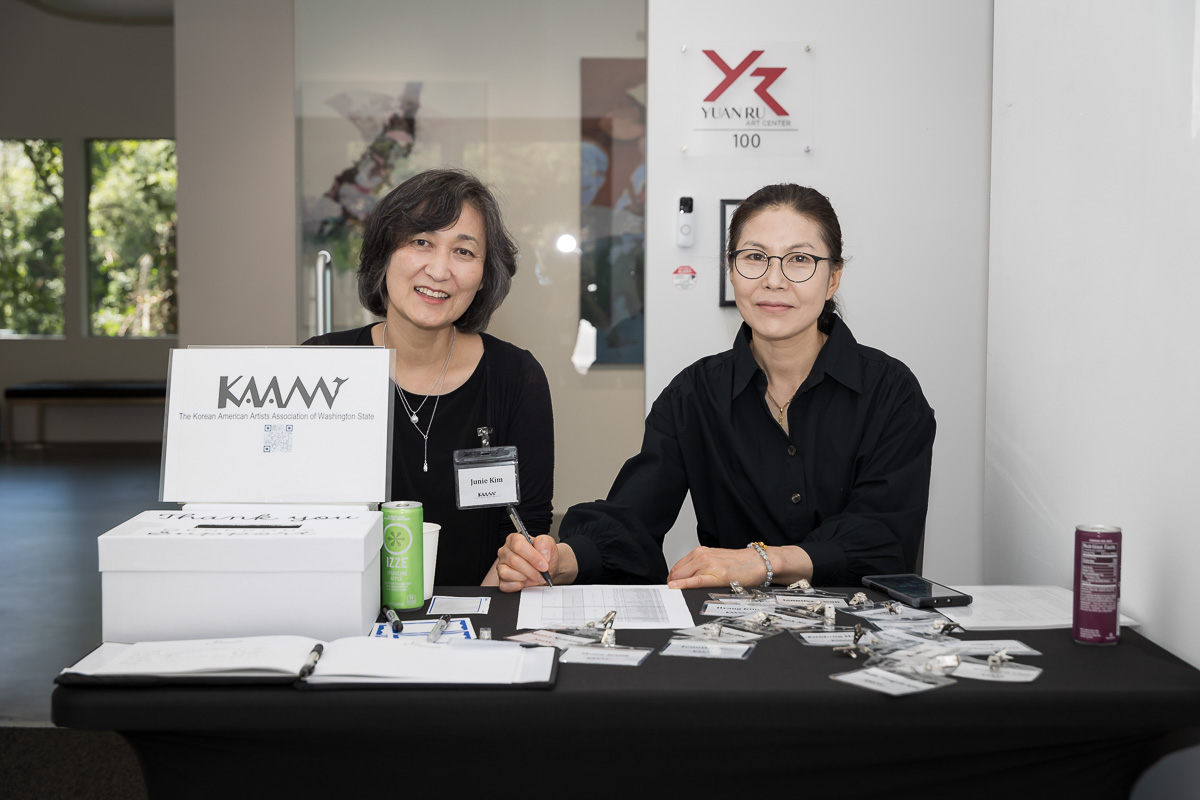
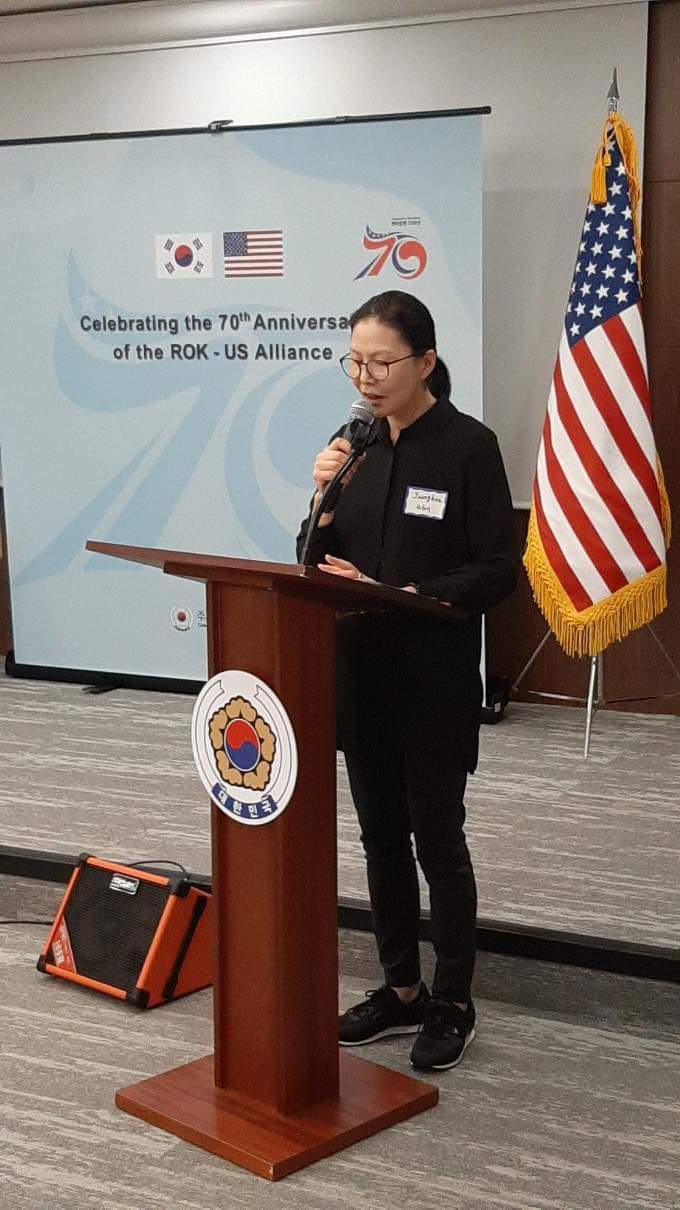
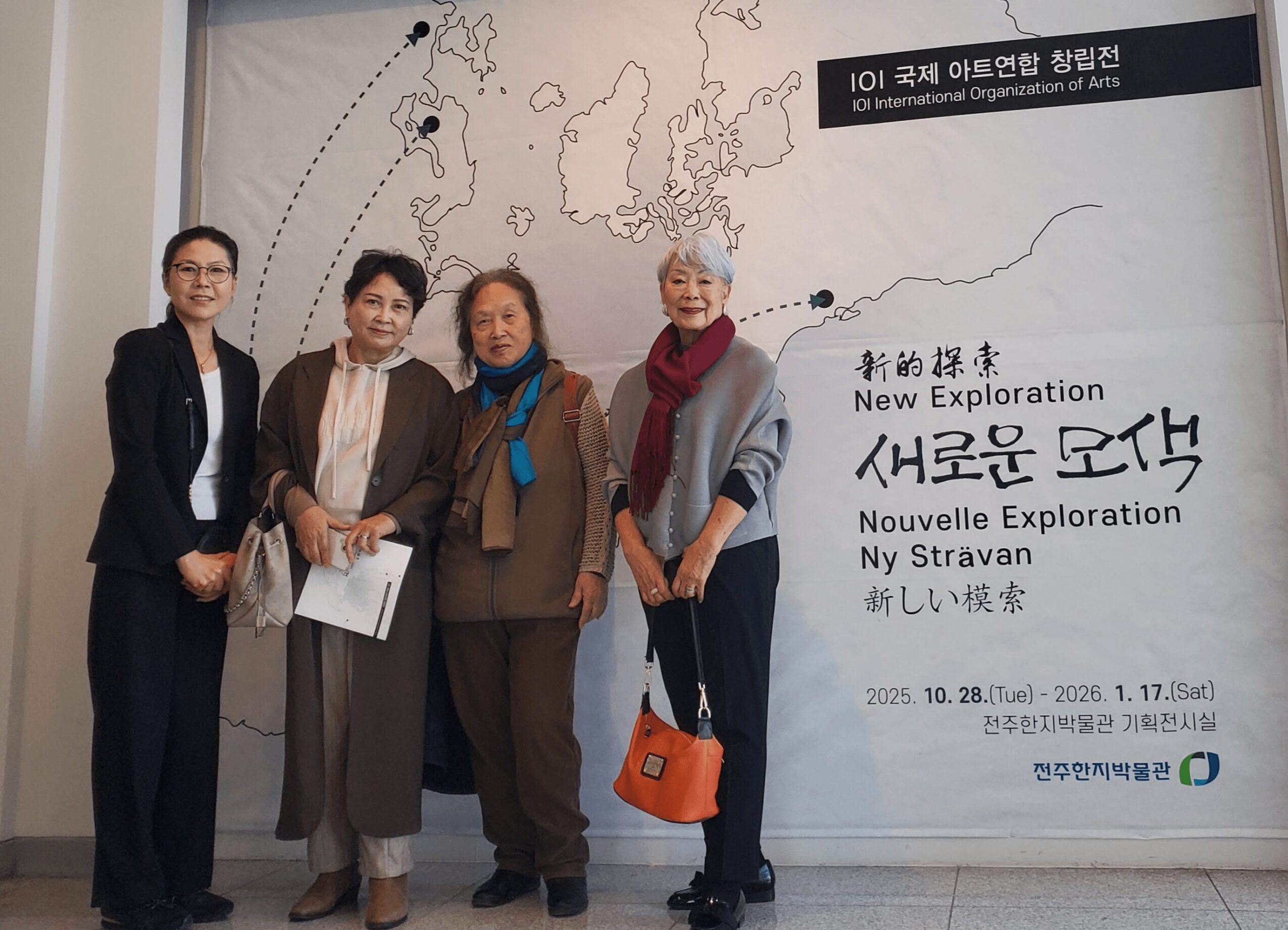
Since then, I have actively participated in exhibitions and received recognition through a Korean American artists competition, which led me to become a member of the Korean American Artists Association of Washington State. I now serve as the president of the organization, where I support fellow artists and help build a stronger artistic community.
Alongside my work as an artist, I am also an educator. I currently teach Korean to adult students in a community college continuing education program, building on my experience in both teaching and leading an educational institute. Teaching and art are deeply connected in my life, as both are ways of sharing ideas, culture, and personal expression.
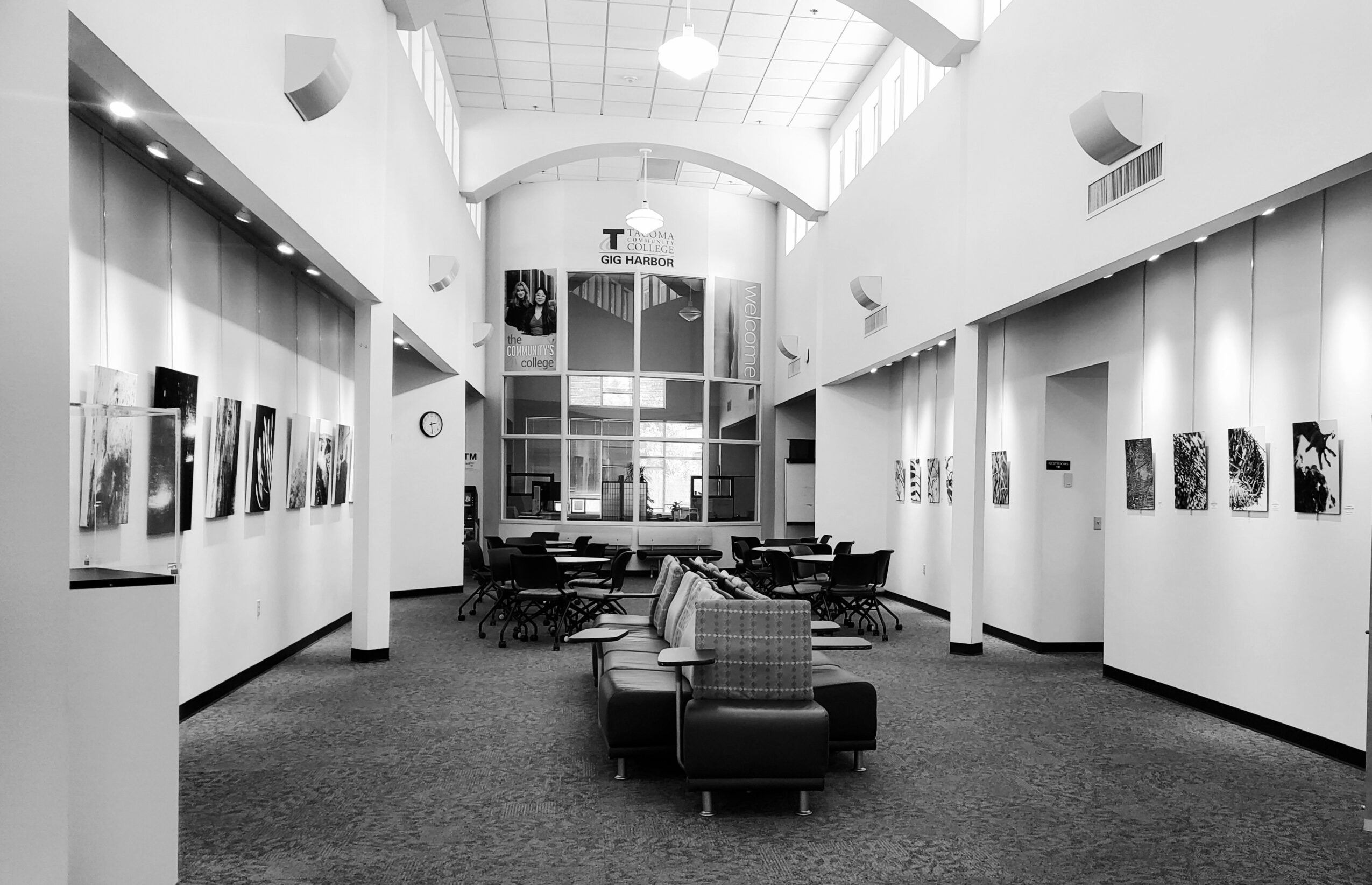
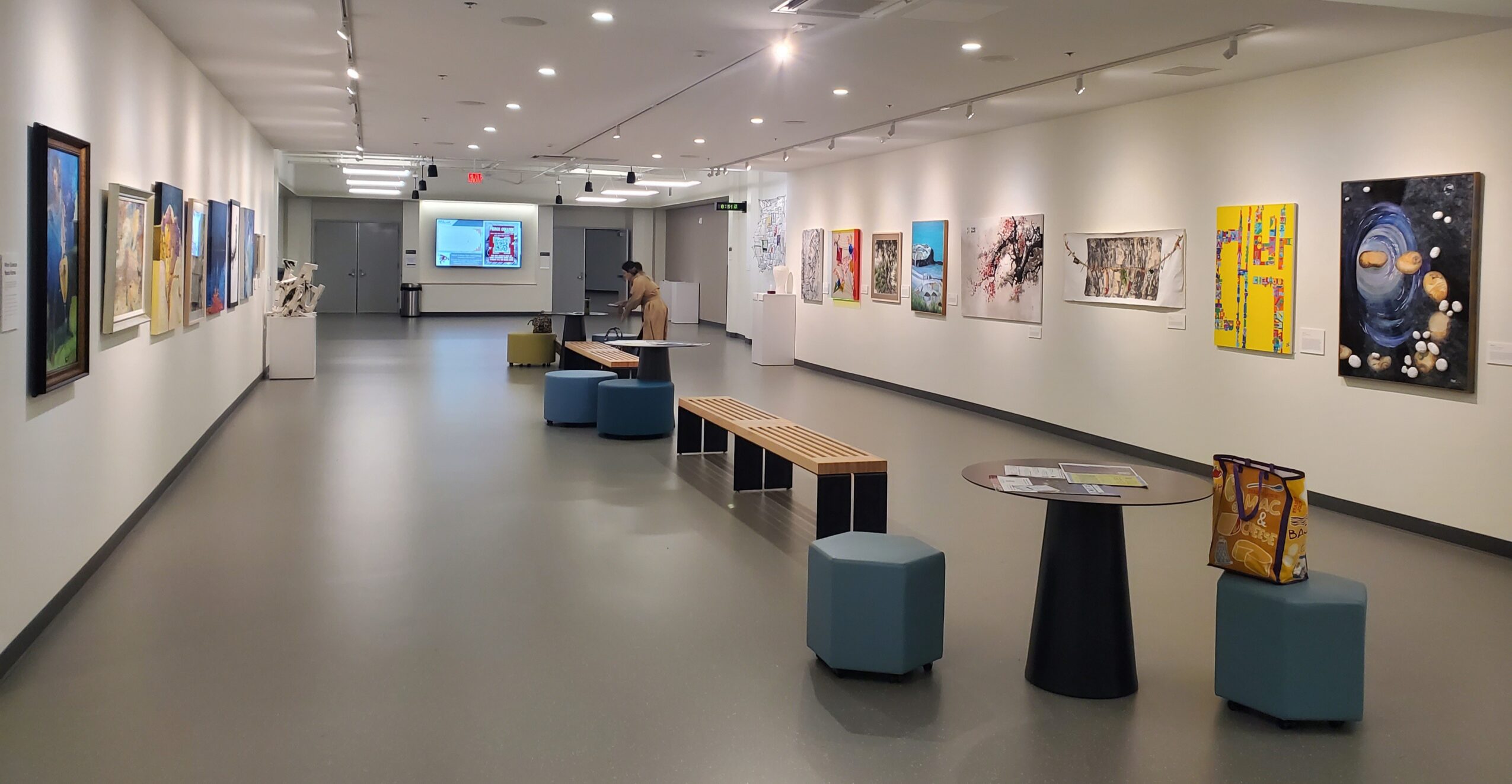
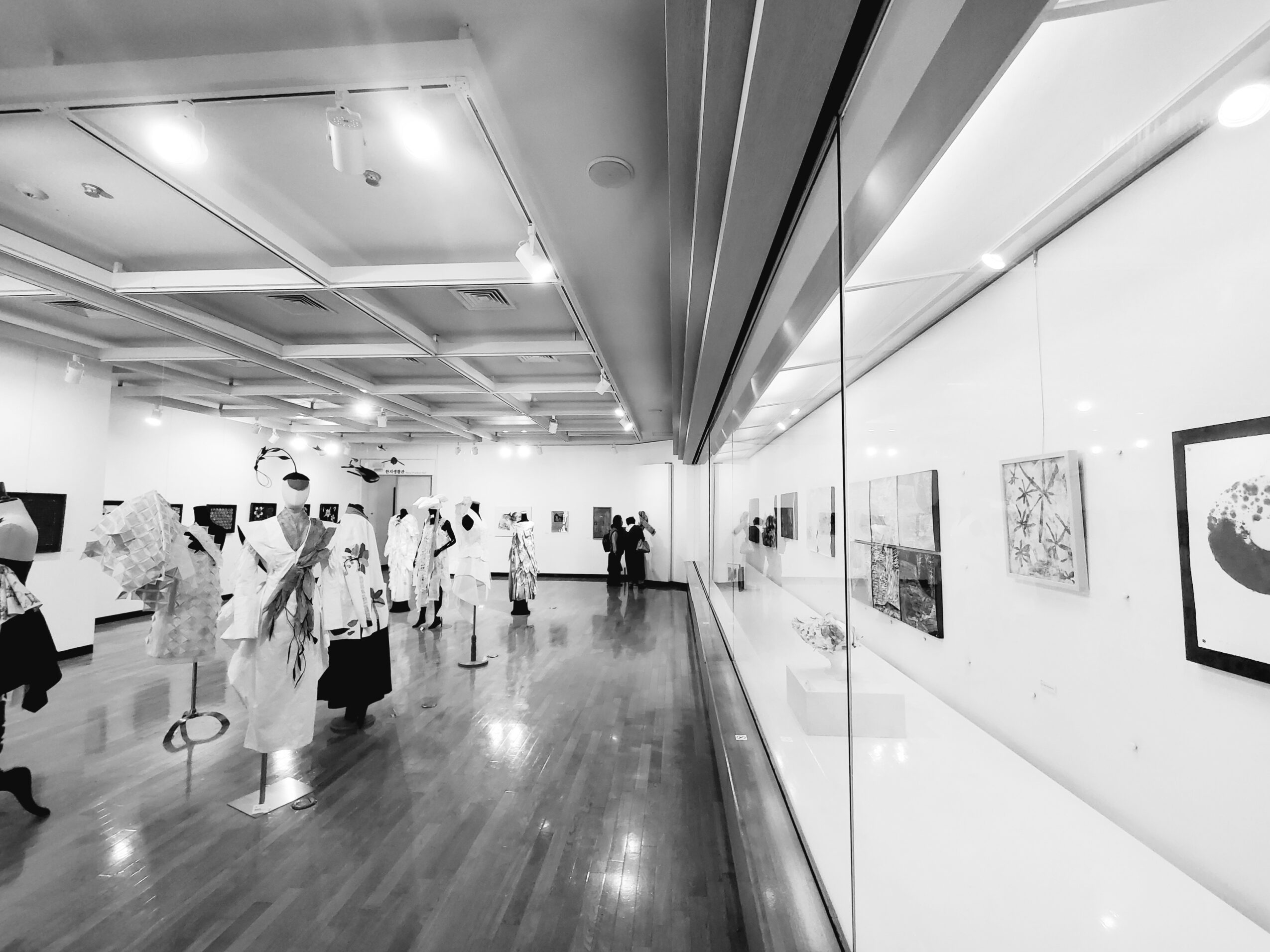
What I am most proud of is my ability to continue growing and evolving through change. I have held multiple solo and group exhibitions, and my ninth solo exhibition is currently on view at Tacoma Community College, Gig Harbor Campus. I have also created six photobooks that reflect my ongoing exploration of memory and identity.
What sets me apart is the way I bring together different media and lived experiences to express the emotional complexity of living between cultures. My work is shaped not only by technique but by lived experience, and I believe that sincerity and emotional depth are what create meaningful connections with others.
Where do you see things going in the next 5-10 years?
I believe the art world will continue to evolve in ways that are both exciting and complex over the next five to ten years. The growing influence of digital technology and artificial intelligence is expanding how art is created, shared, and experienced, opening new possibilities for accessibility and global connection. At the same time, there will be a stronger desire for authenticity and human connection, as people seek work that carries emotional depth, personal narrative, and sincerity.
I also see a growing importance in diverse voices and cultural perspectives. Artists who bring unique backgrounds and personal histories into their work will play an essential role in shaping the future of the art world. This direction will lead to a closer connection between fine art and popular culture, where storytelling becomes more cinematic and accessible. In my own work, I am particularly interested in connecting historical elements with contemporary experiences to create work that is both personal and relevant today.
As both an artist and educator, I believe community and shared experience will become increasingly important. While I explore my identity as a Korean-American artist, I hope to create work that not only reflects personal history but also connects with a broader audience, much like the way K-pop has brought people together across cultures.
Pricing:
- Photobook, ‘A Woven Narrative of Identity,’ $30 –> https://www.blurb.com/b/12828683-a-woven-narrative-of-identity-2026
- Photobook, ‘Humor and Humanity in the Ordinary,’ $ 20 –> https://www.blurb.com/b/12332739-humor-and-humanity-in-the-ordinary
- Photobook, ‘Abstract Adjectives,’ $ 20 –>. https://www.blurb.com/b/8886885-abstract-adjectives
- Photobook, ‘Real and Unreal,’ $20 –> https://www.blurb.com/b/9190364-real-and-unreal
- Art book, ‘Whimsical Drawings,’ $150 –> https://www.blurb.com/b/9426833-whimsical-drawings
Contact Info:
- Website: https://www.joungheewon.com
- Instagram: https://www.instagram.com/emily_j_won/
- Facebook: https://www.facebook.com/jounghee.won.7
- LinkedIn: https://www.linkedin.com/in/jounghee-won-746496104/