




Today we’d like to introduce you to Seema Vibbert.
Hi Seema, please kick things off for us with an introduction to yourself and your story.
I started Seeco Tutoring at the beginning of 2025, specializing in one-on-one math tutoring and small-group coding classes for elementary and middle school students.
Prior to that, I spent about 25 years working in software engineering, including eight years in leadership and management roles. I eventually left my position as a Director of Engineering because I was looking for a better work-life balance. My love of math and coding, along with my interest in teaching, led me to start Seeco Tutoring.
I initially worked with a handful of children of friends and neighbors from my home. As word spread, the business grew steadily. In a little over a year, I grew from those first few students to being close to capacity.
Can you talk to us a bit about the challenges and lessons you’ve learned along the way. Looking back would you say it’s been easy or smooth in retrospect?
It was not a completely smooth road. One of the initial challenges was getting the word out, and since I had no prior experience running a business, I also had to learn the basics, including marketing. It took some trial and error to figure out what worked best for reaching families.
By the middle of my first year, I was still working with only a handful of students. As I continued building the business, my early customers began referring other families to me, and the business grew significantly from there.
Thanks – so what else should our readers know about Seeco Tutoring?
Seeco Tutoring specializes in one-on-one math tutoring and small-group coding classes for elementary and middle school students and beyond.
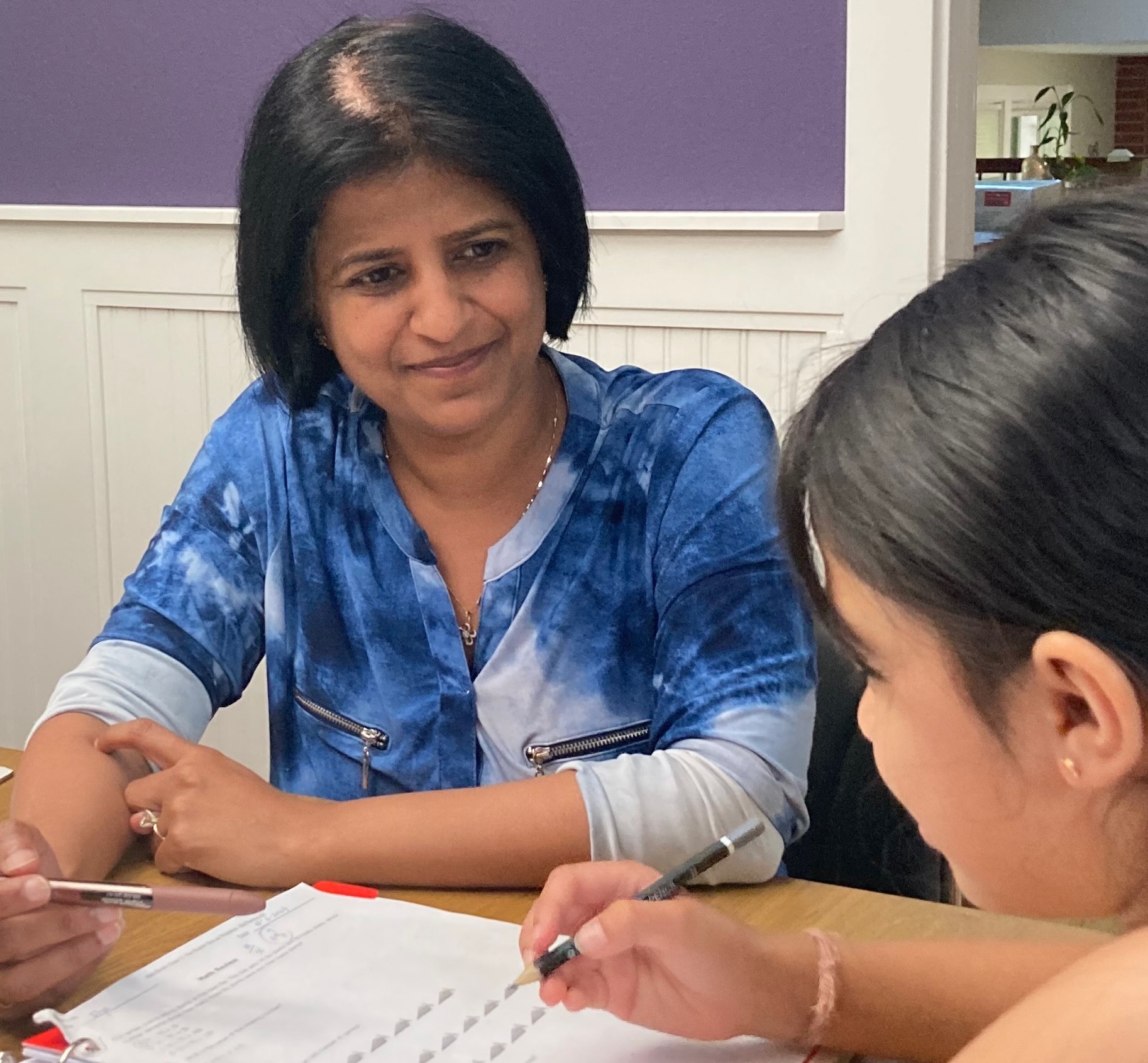
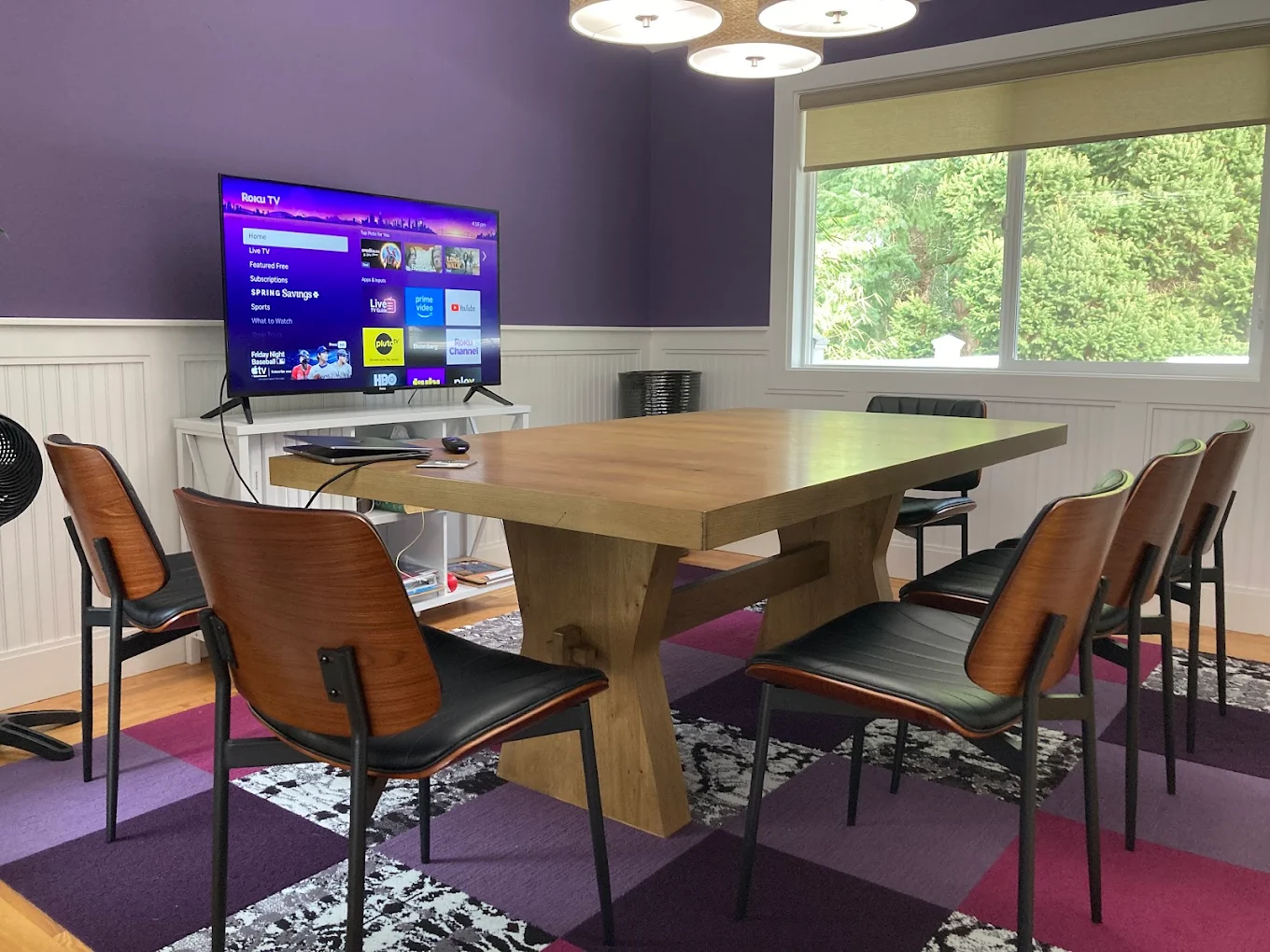
In math, I work with students who need more individual attention, patience, and practice than they may be able to get in a classroom setting. Many of my students come to me with gaps in foundational skills or have fallen a grade or more behind. My focus is on helping students understand concepts, build those missing skills, and gain confidence through consistent one-on-one support in a quiet and encouraging environment.
With consistent support, I have seen significant changes in my students, sometimes within just a few weeks and even more so over several months. I have worked with students who went from struggling with Cs and Fs to consistently earning As and Bs. I have also seen students who were anxious about math become much more confident and willing to approach problems with curiosity and determination.
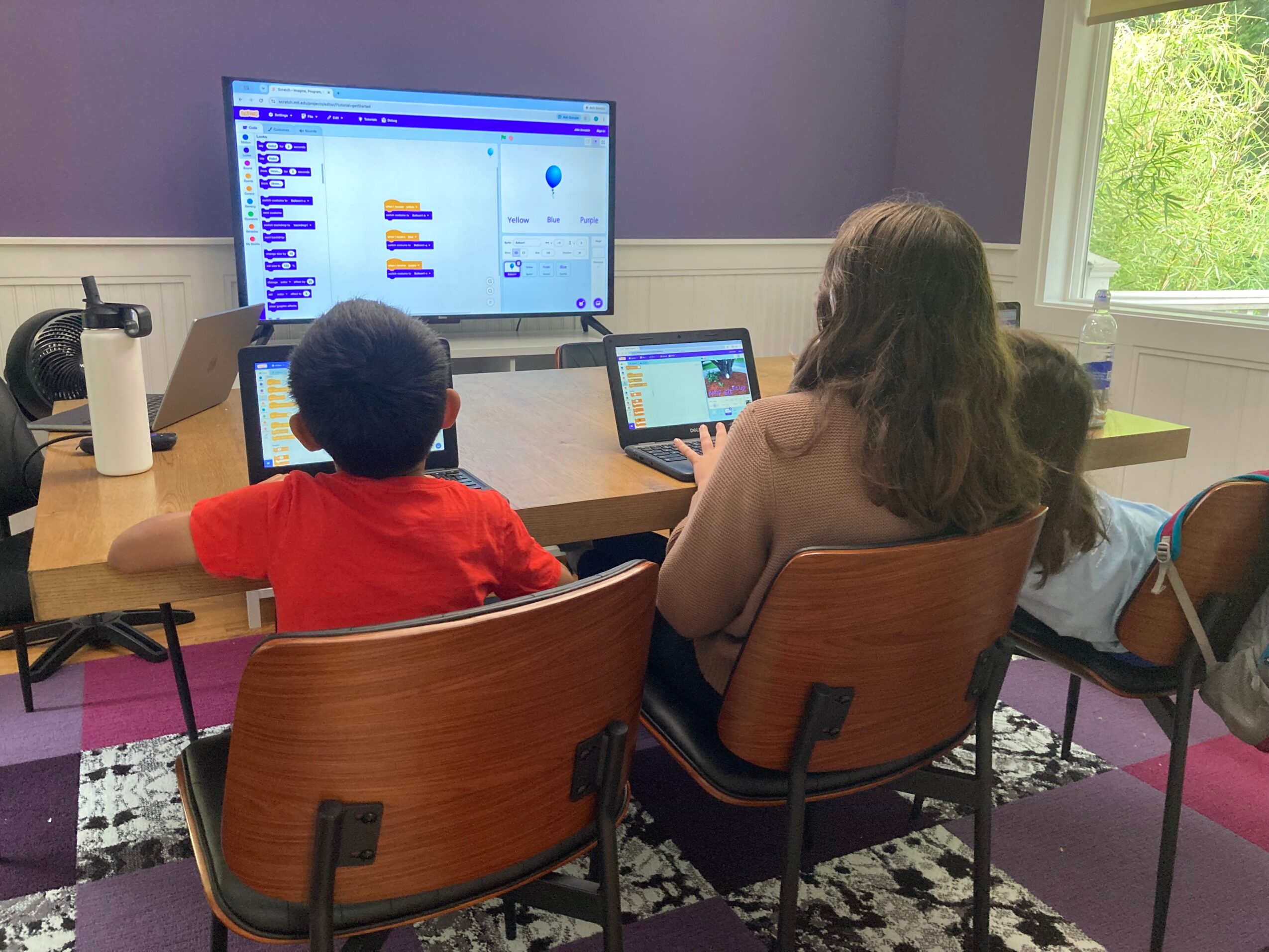
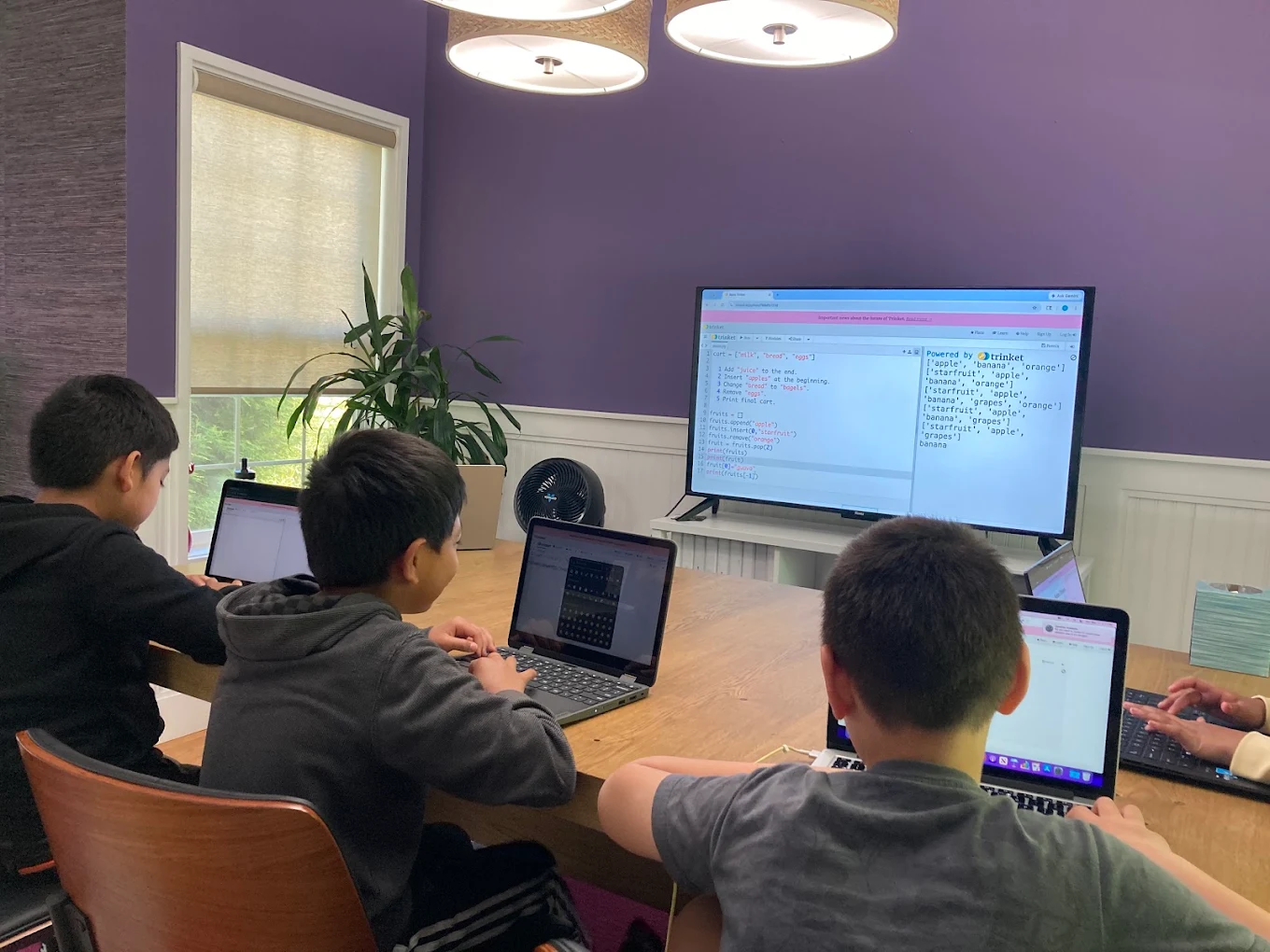
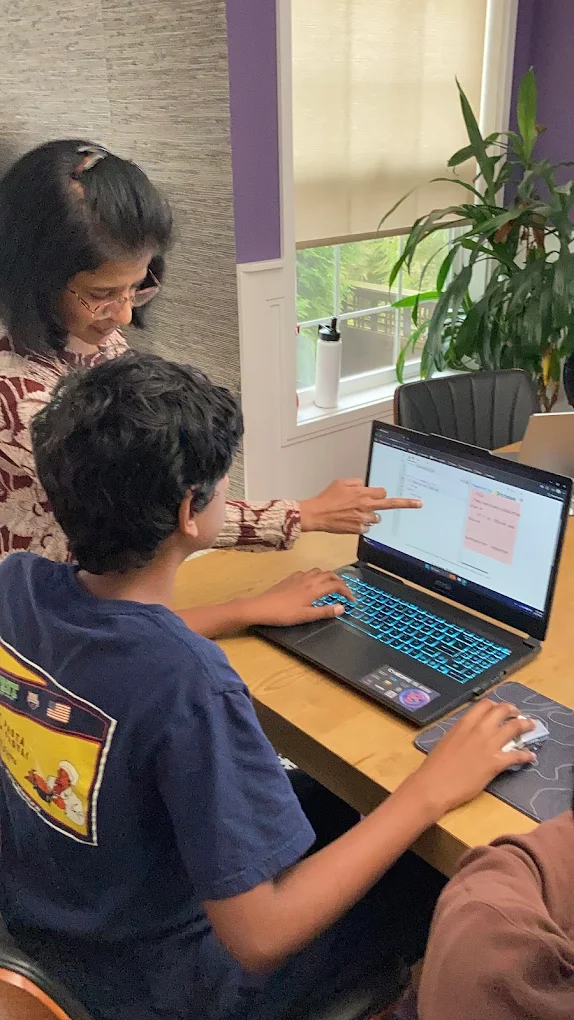
My coding classes are primarily small groups of three to five students, and I also offer one-on-one instruction. One-on-one instruction gives families the flexibility to get started right away rather than waiting for a group to form. Coding is an area I am especially proud of. I have been pleasantly surprised by how much elementary-age students can learn. Some of my fourth graders are writing programs that involve concepts I would typically associate with much older students. They are curious, focused, and often ask questions that take us beyond what I originally planned to teach.
The classes are hands-on and project-based, so students learn by actually building things—from calculators and shopping carts to quiz games and simple banking programs. I think there is a real advantage to introducing children to coding at a younger age. It develops logical thinking while giving them an opportunity to create and experiment with technology rather than simply consume it.
What matters most to you?
What matters most to me is giving kids an opportunity to learn math at a pace and in a way that works for them. When children struggle with math early on, they can become stressed, anxious, or lose confidence in their own abilities. I want them to understand that the problem is not that they are “not good at math”—sometimes they simply need a different approach.
One of the most satisfying parts of my work is seeing that change happen. A child may come to me feeling anxious or frustrated about a math concept, and some time later, they are working through it fluently, feeling confident, and leaving with a big smile on their face. That is very rewarding to me.
Sometimes the key is breaking a concept down into smaller pieces. Sometimes it is finding a different way to explain it, and sometimes it simply takes repeated practice. When a child suddenly says, “Oh, now I get it,” and realizes that something that seemed difficult is actually within their reach, that is one of the most rewarding moments for me.
Contact Info:
- Website: https://www.seecotutoring.com
- Facebook: https://www.facebook.com/profile.php?id=61576615160502
- Linkedin: https://www.linkedin.com/in/seema-vibbert-0b3759/