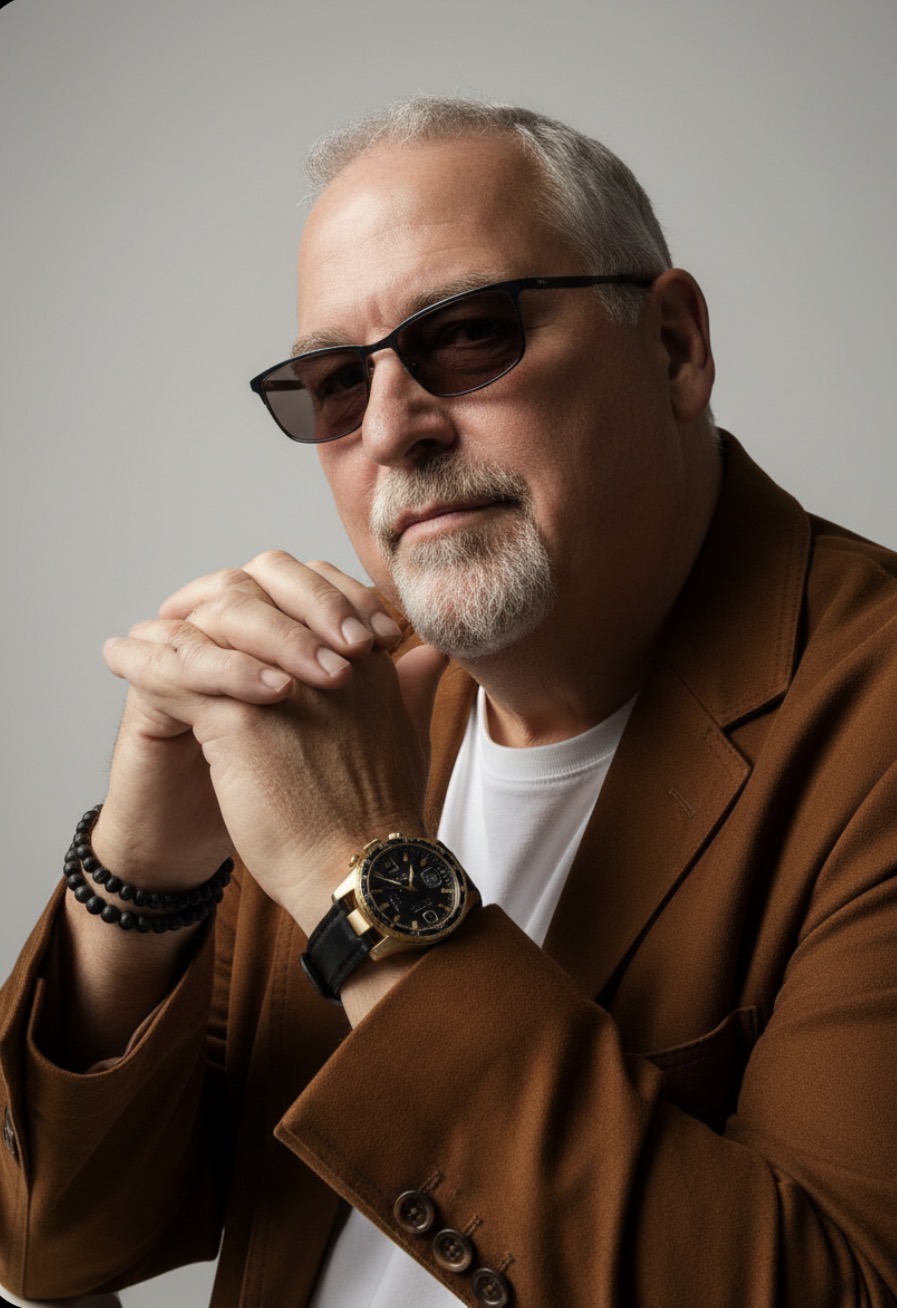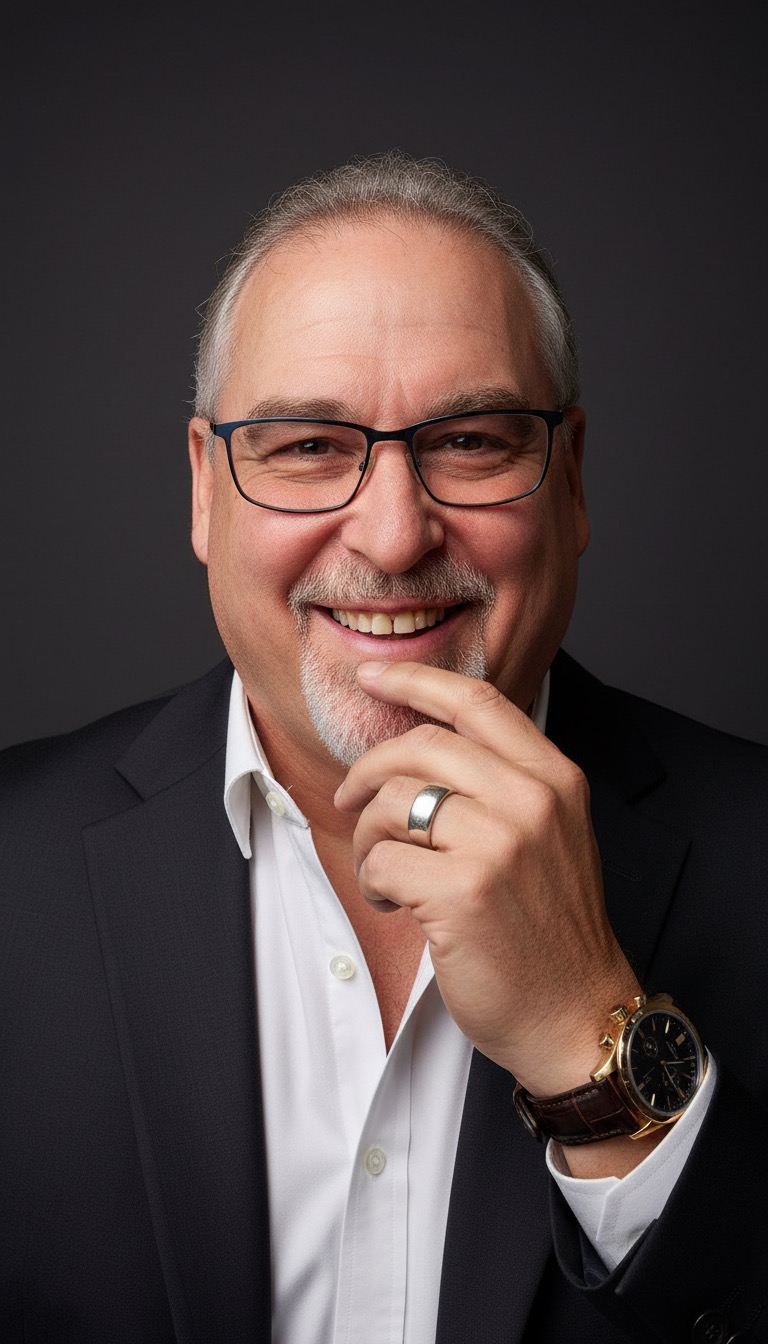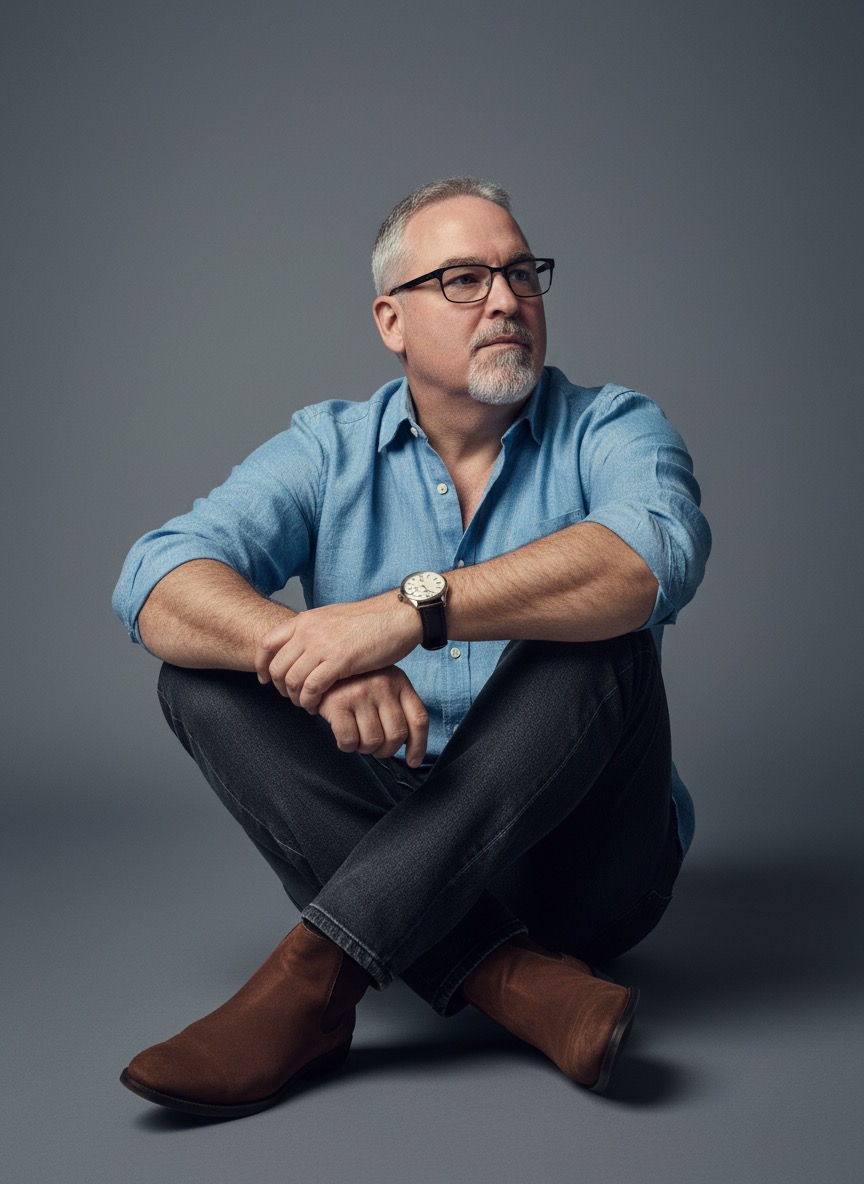





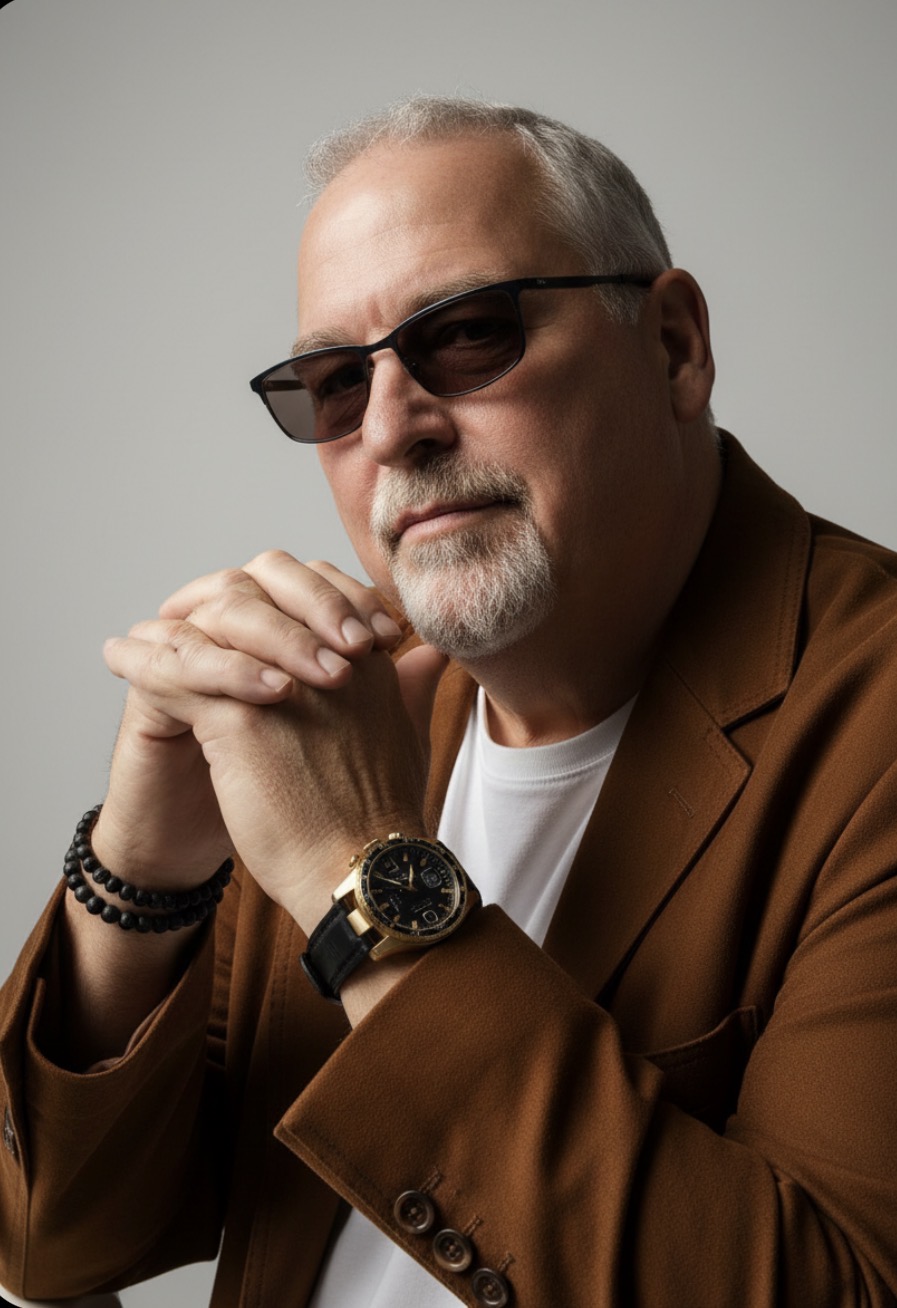
Today we’d like to introduce you to William Dickinson.
Hi William, we’re thrilled to have a chance to learn your story today. So, before we get into specifics, maybe you can briefly walk us through how you got to where you are today?
I was born and raised on the West Coast, with deep roots throughout the Pacific Northwest. My professional journey began early, and by 1980, I was already immersed in the demanding and highly competitive world of professional music.
Much of my early music career took place in California, where I built a reputation as a dedicated professional drummer. Music was more than a passion for me; it was a profession that demanded discipline, precision, creativity, endurance, and the ability to perform under pressure night after night. Throughout the 1980s and into the early 1990s, I had the opportunity to perform for artists, agencies, and companies that many people would immediately recognize, even if they never knew the musicians working behind the scenes.
One of the most defining, yet largely unknown, chapters of my career came during the explosive rise of Nike’s “Just Do It” advertising era. Following legal challenges involving the use of music associated with The Beatles, Nike and its advertising partners needed original music that could be directly licensed and owned for commercial campaigns.
Through my work with Pateo Music, led by Pat McDonald, and in collaboration with Wieden+Kennedy, I became the drummer behind much of the original percussion-driven music featured in Nike’s iconic “Just Do It” commercials during that period. Pat McDonald himself was well known in music industry circles for his work as a touring bassist for Iron Butterfly, along with extensive contributions to television music production and commercial spots for major national advertisers.
Although my name was never publicly attached to those campaigns, my playing became part of a cultural soundtrack heard by millions of people around the world. To this day, it remains one of my proudest accomplishments: being the drummer people have heard countless times, even if they never knew who was behind the kit.
By 1994, persistent arthritic issues in my arms and hands forced me to make one of the hardest decisions of my life: retiring from professional drumming. Rather than allowing that challenge to define me, I chose to reinvent myself.
I enrolled in a small university in Southern California, where I earned my Bachelor of Arts degree in Business Administration. During that time, music still remained part of my life, and I occasionally played with local bands. At the same time, I became increasingly fascinated with the emerging digital world and the growing importance of online communication.
That curiosity eventually became a turning point in my life.
After getting tired of constantly asking the guitarist in one of my bands to build websites for us, I decided to learn the craft myself. I invested my own savings into attending a trade school where I studied web design and graphic design during the early days of the internet, when digital branding and web development were still evolving industries.
Combining my business education with creative and technical training, I launched myself into a new career as a business and communications professional. My first major role was with InfoSeek, which later became part of the Disney GO Network during the height of the dot-com era. That experience exposed me to large-scale digital communication strategies and placed me directly in the middle of a rapidly changing technological landscape.
From approximately 1999 through 2009, I worked independently as a graphic designer, web designer, and branding consultant. During those years, I helped businesses strengthen their identities, improve their communications, and connect more effectively with their audiences. My work became a blend of creativity, psychology, branding, and strategic communication.
In 2009, I relocated to Vancouver, British Columbia, where I entered the corporate conferencing and communications sector. I joined Momentum Conferencing, Canada’s largest privately owned conferencing company, and eventually served as Director of Marketing for nine years. In that role, I oversaw marketing strategy, communications development, branding initiatives, and business growth efforts during a transformative period in digital communications and remote connectivity.
By 2017, I returned to entrepreneurship and reopened my independent agency under the name Cortex Marketing. Based in North Vancouver, Cortex Marketing became the culmination of decades of experience in music, branding, psychology, communications, digital marketing, and business strategy. My goal was simple: help businesses discover their voice, tell authentic stories, and build stronger relationships with their customers.
Then came another major shift in the industry.
By late 2025, the rapid rise and saturation of artificial intelligence within the marketing world had dramatically changed the communications landscape. Rather than resisting change, I adapted once again by returning to one of my earliest professional foundations: hospitality and customer experience.
Drawing from my lifelong understanding of audience perception and human interaction, I launched GuestQuest Experience Auditing. The company focuses on restaurant and hospitality experience auditing through the use of undercover guest evaluators, often referred to as secret diners. Our mission is to help restaurant owners truly understand what their customers experience from the moment they walk through the door until the moment they leave.
Looking back, my journey has never been about following a straight line. It has been about reinvention, adaptability, creativity, and understanding people. From professional drummer to business graduate, from web pioneer to marketing executive, and from branding strategist to hospitality experience auditor, every chapter of my life has been connected by one consistent theme: understanding human connection and helping others create meaningful experiences.
We all face challenges, but looking back would you describe it as a relatively smooth road?
My professional journey has never been a straight line, and behind every transition was a period of uncertainty, reinvention, sacrifice, and struggle that shaped who I became.
As a young professional drummer beginning in 1980, life on the music circuit looked exciting from the outside, but the reality was far different. The entertainment industry was unpredictable, financially unstable, and emotionally exhausting. There were long nights, inconsistent income, constant competition, and the pressure of always needing to prove yourself to stay relevant. I spent years traveling, performing, rehearsing, and trying to build a sustainable life in an industry where talent alone was never enough. Even when I was working on projects connected to recognizable brands and artists, much of the work happened behind the scenes, without public recognition or long-term security.
One of the greatest personal struggles came when arthritis began affecting my arms and hands. For a drummer, that is devastating. Music was not simply what I did; it was part of my identity. By 1994, I was forced to retire professionally from the thing I had spent years building my life around. Walking away from music was not just a career change; it felt like losing a part of myself. There was uncertainty about the future, fear about starting over, and the difficult reality of rebuilding my confidence in an entirely new field.
Returning to school later in life brought its own challenges. While pursuing my Bachelor of Arts degree in Business Administration in Southern California, I was surrounded by younger students while trying to redefine my purpose and direction. Financial pressure was constant. I had to think practically while still carrying the emotional weight of leaving behind a music career I truly loved.
When I entered web design and graphic design during the early days of the internet, the industry itself was unstable and rapidly changing. Technology evolved constantly, which meant I had to continuously teach myself new systems, software, and ways of thinking. There was no guaranteed roadmap. Clients often did not understand the value of branding, websites, or digital communication yet, so much of my work involved educating businesses while simultaneously trying to earn their trust.
Like many entrepreneurs, I experienced periods of feast and famine. Some years brought exciting opportunities and creative momentum, while others brought financial stress, difficult clients, late payments, and uncertainty about where the next project would come from. Working independently required wearing every hat imaginable: designer, marketer, salesperson, strategist, customer service representative, and problem solver.
Moving to Vancouver, British Columbia, and entering the corporate world with Momentum Conferencing introduced an entirely different set of pressures. Corporate leadership demanded constant performance, long hours, and the ability to navigate internal politics, evolving technologies, and growing market competition. Marketing itself was changing rapidly during those years, especially with the rise of social media, mobile communication, and virtual conferencing technologies.
Reopening Cortex Marketing in 2017 was another leap of faith. Entrepreneurship always carries risk, but by then the marketing world had become saturated, noisy, and increasingly commoditized. Standing out became harder every year. Businesses wanted faster results, lower costs, and constant content production. The pressure to remain relevant in a rapidly evolving digital environment became relentless.
Then came the explosion of artificial intelligence in marketing and communications. By late 2025, AI tools had fundamentally reshaped the industry almost overnight. Much of the creative and production work that agencies traditionally handled became automated or heavily diluted by mass-generated content. Like many experienced professionals, I faced the difficult reality of adapting once again or becoming obsolete.
Rather than resisting change, I chose to pivot back toward something AI could not easily replicate: authentic human experience.
That decision led to the creation of GuestQuest Experience Auditing, where I returned to my roots in hospitality and customer interaction. Even then, starting over was not easy. Building a new company later in life meant overcoming skepticism, rebuilding networks, establishing credibility in a new niche, and competing in another crowded marketplace.
Looking back, the struggles throughout my career were never isolated moments; they were recurring themes of reinvention, resilience, adaptation, and persistence. Every transition required me to let go of one identity and build another. Every setback forced me to learn new skills, rethink my direction, and continue moving forward even when the future was unclear.
What I learned through all of it is that success is rarely about avoiding hardship. It is about learning how to survive it, adapt to it, and continue creating value despite it.
Alright, so let’s switch gears a bit and talk business. What should we know?
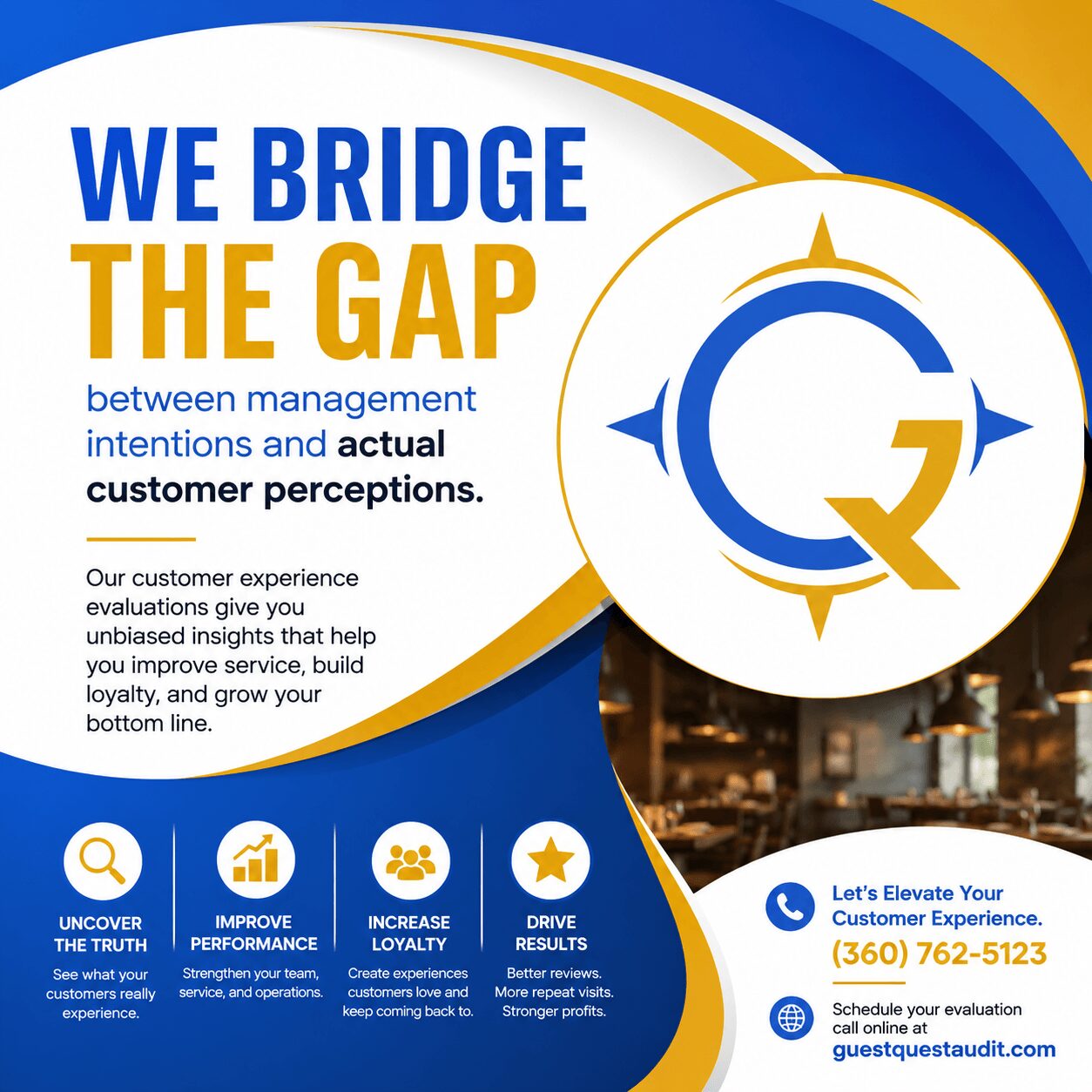
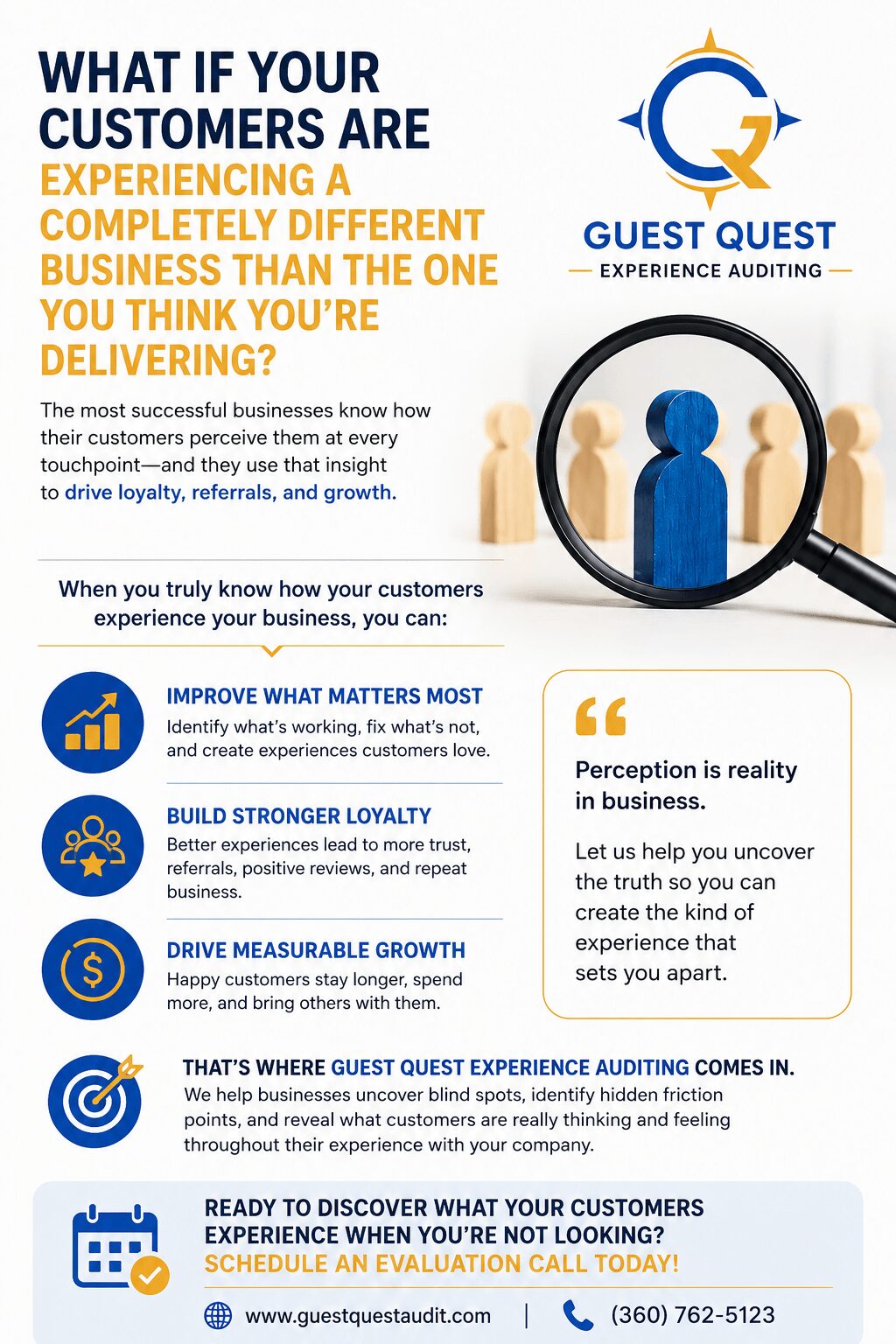
At Guest Quest Experience Auditing, we help businesses see themselves through the eyes of the customer, because the customer experience is often the single greatest factor determining whether someone returns, refers others, or quietly disappears forever.
Launched in 2026, Guest Quest Experience Auditing was created around a simple but powerful belief: most businesses do not fail because they lack a good product or service. They struggle because they unknowingly create inconsistent customer experiences that weaken trust, loyalty, and long-term growth.
We specialize in experience auditing, customer journey evaluation, hospitality perception analysis, and operational insight reporting for businesses that rely heavily on customer retention, reputation, and word-of-mouth marketing. While restaurants and hospitality are a major focus, our methodology also applies to retail, service-based businesses, entertainment venues, wellness brands, and customer-facing organizations that want to strengthen loyalty and improve the overall guest experience.
What sets Guest Quest apart is that we go far beyond traditional mystery shopping. We do not simply score whether an employee smiled or whether a restroom was clean. We analyze the emotional journey of the customer experience from beginning to end. We study how a guest feels during interactions, how memorable the experience is, where friction exists, and what customers are likely saying about the business afterward, both online and offline.
Our audits are designed to uncover the hidden gaps between what a business believes it delivers and what customers actually experience.
We are especially known for combining:
* Real-world customer psychology
* Brand perception analysis
* Guest loyalty behavior insights
* Staff interaction evaluation
* Reputation and referral impact analysis
* Actionable operational recommendations
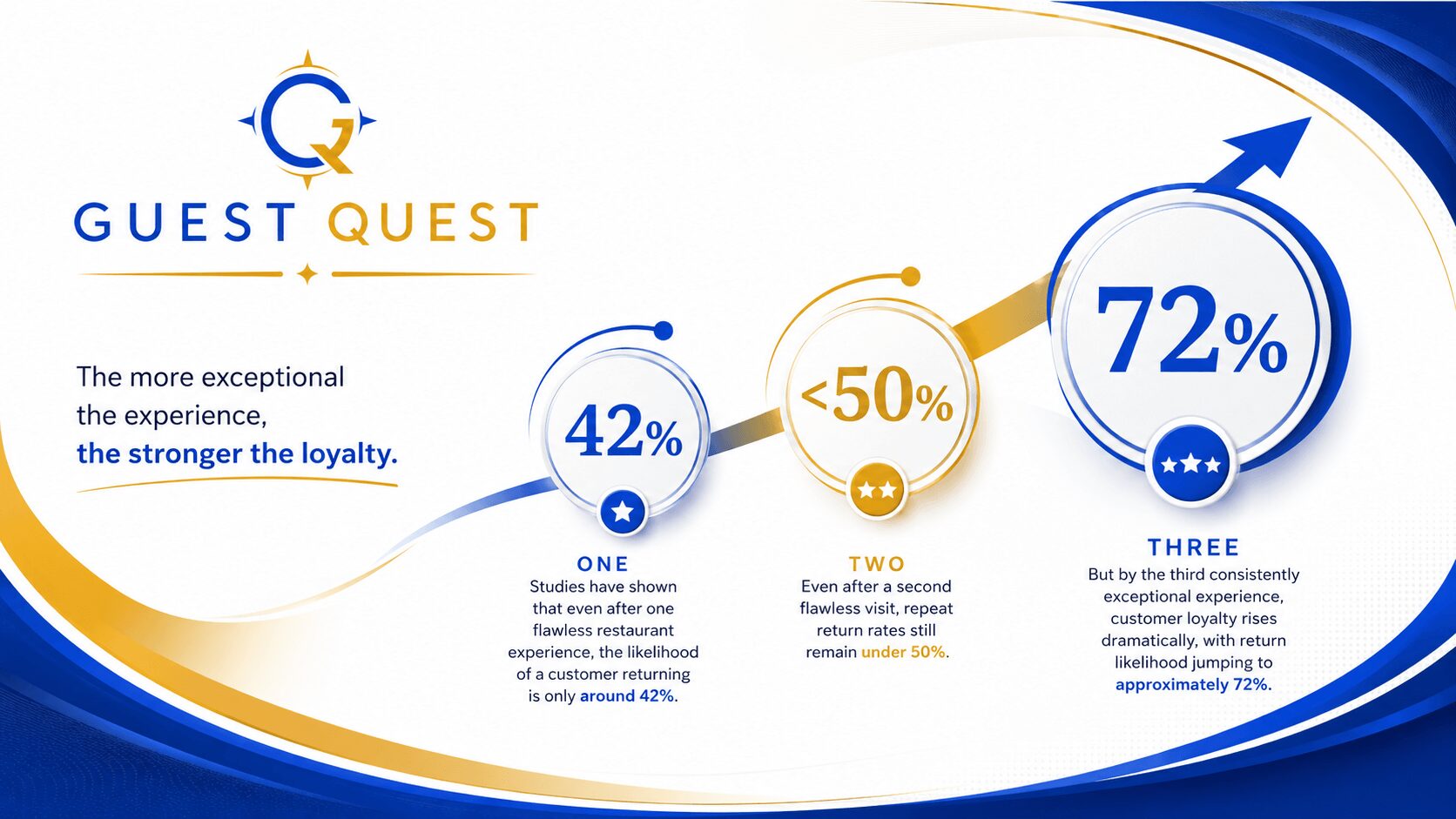
One of the things we are most proud of brand-wise is our focus on measurable loyalty-building experiences rather than surface-level evaluations. Studies consistently show that even after one or two flawless experiences, customer return rates remain surprisingly low. However, when businesses consistently create emotionally positive, memorable experiences over time, loyalty dramatically increases. That is the space where Guest Quest operates.
We help businesses move from “satisfactory” to unforgettable.
Another point of pride is our approach to reporting. We believe audits should not feel punitive or corporate. Our evaluations are designed to educate, encourage, and improve operations while helping ownership and staff better understand the customer mindset. We aim to become a growth partner, not just an evaluator.
At its core, Guest Quest Experience Auditing exists to help businesses create experiences people genuinely talk about, remember, and return for. In an economy where online reviews, referrals, and reputation travel faster than ever, customer experience is no longer optional. It is the brand.
That is what we help businesses protect, refine, and strengthen every day.
Can you talk to us about how you think about risk?
I think my view on risk has changed significantly throughout different stages of my life and career. When I was younger, I probably took more risks simply because I had less to lose and more willingness to bet on myself. Pursuing a professional music career in the 1980s was, in itself, a major risk. The entertainment industry is highly competitive, financially unpredictable, and emotionally demanding. There are no guarantees, no clear roadmap, and very little long-term security. Yet I pursued it because I loved it and believed in my abilities.
Another major risk came when I retired from professional drumming in 1994 due to arthritic issues in my arms and hands. Walking away from a career that had defined much of my identity was extremely difficult. Starting over academically and professionally later in life required both humility and courage. Going back to school to earn my business degree, and later investing my own savings into learning web and graphic design during the early days of the internet, was another calculated risk. At the time, digital communications and web development were still evolving industries, and there was no certainty that those skills would translate into a sustainable career.
Opening my own business and working independently for years also carried substantial risk. Entrepreneurship often looks exciting from the outside, but internally it comes with uncertainty, financial pressure, inconsistent income, and the constant responsibility of adapting to change. Later, moving into corporate leadership with Momentum Conferencing and eventually relaunching Cortex Marketing were additional moments where I had to make strategic decisions without knowing exactly how things would unfold.
That said, at this stage in my life, I would not describe myself as a high-risk person. Experience teaches you that not all risk is intelligent risk. Today, I place much greater value on stability, sustainability, and time-tested methodologies. I believe in calculated decision-making, measured growth, and building systems that are grounded in proven principles rather than chasing trends or hype.
One of the reasons I eventually transitioned toward GuestQuest Experience Auditing was because I saw how rapidly artificial intelligence was saturating the marketing industry. Rather than trying to outpace a constantly shifting landscape built around automation and volume, I chose to focus on something more enduring: authentic human experience. Hospitality, customer perception, and emotional connection are areas where real-world insight still matters deeply.
So while I have certainly taken meaningful risks throughout my career, I think my philosophy today is less about gambling on uncertainty and more about identifying opportunities where experience, consistency, and human understanding create long-term value. I no longer believe risk itself is admirable. I believe thoughtful adaptation is.
Pricing:
- Basic Restaurant Auditing: $125+meal reimbursement
- Call for all other pricing
Contact Info:
- Website: WEBSITE: http://guestquestauditing.com or SCHEDULING: http://guestquestaudit.com (these are redirects DO NOT insert as “https://” only “http://”, In PRINT, simply use www. before the URL
- Instagram: https://www.instagram.com/cortexmarketing
- Facebook: https://www.facebook.com/guestquestauditing
- LinkedIn: https://www.linkedin.com/in/williamsdickinson/
- Youtube: https://www.youtube.com/@cortexmarketing
- Soundcloud: https://soundcloud.com/williamscottdrumworks
- Other: https://www.dickinsonent.com/cortex