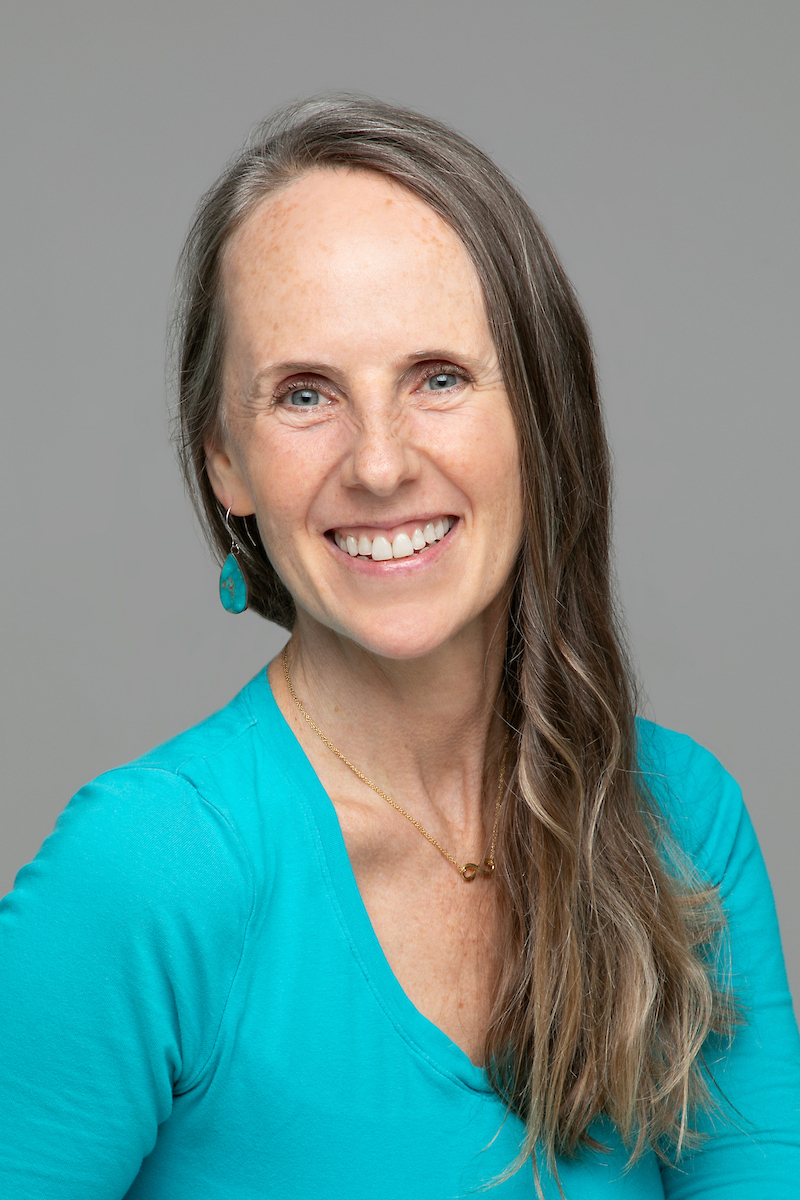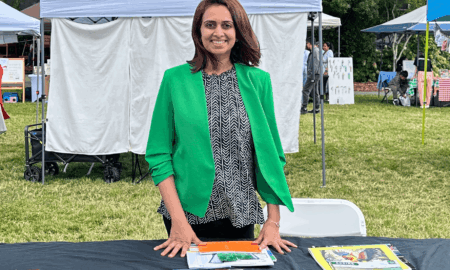





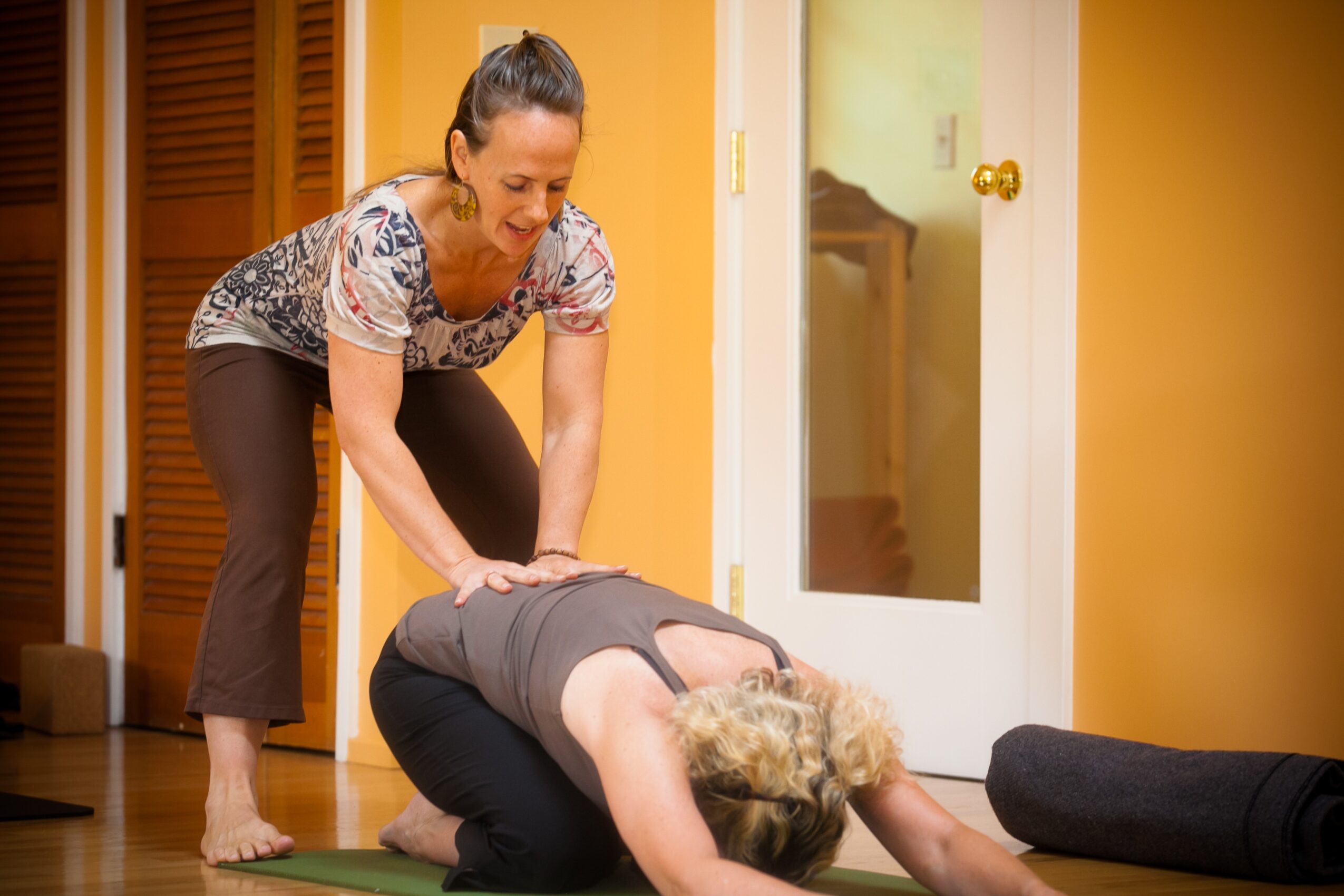
Today we’d like to introduce you to Sonia Weirich.
Hi Sonia, we’d love for you to start by introducing yourself.
My path to becoming a yoga therapist began long before I knew there was such a thing as yoga therapy. Yoga was quietly present in my childhood. My mother practiced yoga, and my aunt in France was a yoga teacher. During summers in Provence, my aunt, her husband, and I would sometimes practice together on the beach. My parents also valued nature, physical health, and an active life, so from an early age I experienced the body as a place of vitality and connection.
At the same time, I grew up between very different ways of understanding the world. My parents were atheists and believed that physical reality was all there was. My grandmother, an artist with whom I spent a great deal of time, spoke instead about God and divine light. Every other summer, my sister and I traveled to France to live with our extended family in Provence. The rhythms and values of life there felt profoundly different from those I experienced in the United States. Even as a child, I sensed that there were different ways of inhabiting the world—and that perhaps reality was larger and more mysterious than any single explanation of it.
During my school years, I often felt as though I didn’t quite fit in. Movement became one of my refuges. I ran, cycled, swam, and played team sports. Physical activity relieved stress, but it did something else as well: it connected me to a sense of spaciousness and wholeness. I wouldn’t have had those words for it then. I simply knew that when I moved, something in me settled.
That early intuition—that the body could be a doorway into something greater—would eventually become central to my work.
An unexpected spiritual awakening
When I went to UC Berkeley, spirituality was not something I was seeking. In fact, I was skeptical of spiritual people. A friend had begun studying with a teacher named Rama and repeatedly invited me to attend a meditation with him. I resisted. Eventually, because of her persistence, I went.
During that meditation, my perception suddenly changed. Everything I could see seemed to become liquid light, and that light was inseparable from an overwhelming experience of love.
Whatever explanation one might give such an experience, for me it shattered the certainty that material reality was the whole story. I wanted to understand what I had experienced.
That question changed the trajectory of my life.
I began studying meditation and spiritual practice with Rama. His approach exposed me to a wide range of spiritual traditions while also emphasizing engagement with ordinary life. During those years, I studied computer science, earned a black belt in Shotokan karate, moved from California to New York City, and began working as a computer programmer. My spiritual life and my worldly life developed alongside one another.
After Rama’s death, my spiritual inquiry eventually led me to the teachings of Adi Da. One idea in particular challenged me deeply: the notion that seeking for fulfillment can itself reinforce the assumption that what we seek is absent now.
Until then, much of my spiritual practice had been an effort to transcend ordinary life—to reach something beyond it. I began to encounter a different possibility: perhaps spiritual life wasn’t about escaping our embodied existence, but entering it more completely. The emphasis shifted toward the heart, relationship, devotion, and participation in life.
That shift would later become important to the way I understood yoga.
Finding yoga again
I began practicing yoga more seriously during these years, but it was only later, while living in Austin, Texas, that yoga unexpectedly became my vocation.
I started teaching classes outdoors in a park by donation. At first, it was very simple: I loved yoga, and I wanted to share it. To my surprise, people kept coming.
I taught this way for nearly three years, often almost every day. Through teaching, I began to see something I had intuitively experienced since childhood. Yoga could change how a person inhabited their body. It could affect the breath, the nervous system, attention, emotion, and our relationship with ourselves. It could also open a doorway to the sense of connection and wholeness that had been at the center of my own spiritual search.
Eventually, my spiritual life brought me to Seattle to study more closely with the teacher who became my current guru. He encouraged me to pursue formal yoga teacher training, and I became certified in the Viniyoga tradition.
Viniyoga resonated deeply with me because of its individualized approach. Rather than asking every person to conform to a standardized practice, the practice is adapted to the person. Yoga could meet someone where they actually were—their body, their breath, their circumstances, and their particular needs.
I began teaching at studios and working privately with students. And the more I taught, the more interested I became in what could happen when yoga was tailored to an individual rather than taught only in a group setting.
I wanted to go deeper.
Discovering yoga therapy
That desire led me to discover yoga therapy.
I found Robin Rothenberg, an internationally recognized yoga therapist near Seattle and enrolled in professional training. Suddenly, many threads of my life began coming together.
Here was a discipline that understood yoga not simply as physical exercise and not simply as spiritual practice, but as a sophisticated, multidimensional system for working with the whole person.
Yoga therapy gave me a framework for something I had been discovering throughout my life: we cannot so easily separate body from mind, breath from emotion, health from relationship, or our physical lives from the deeper questions of meaning and spirit.
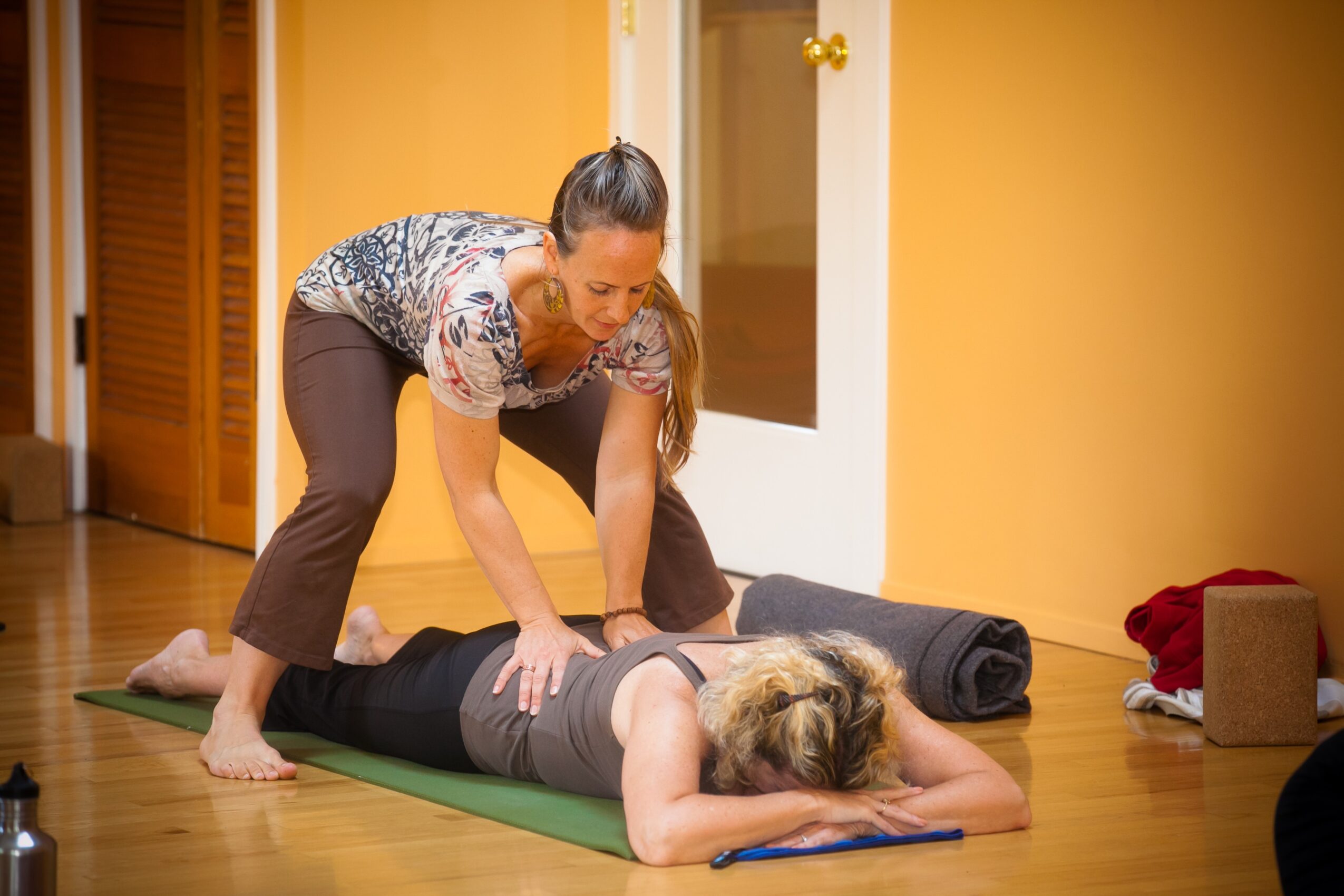
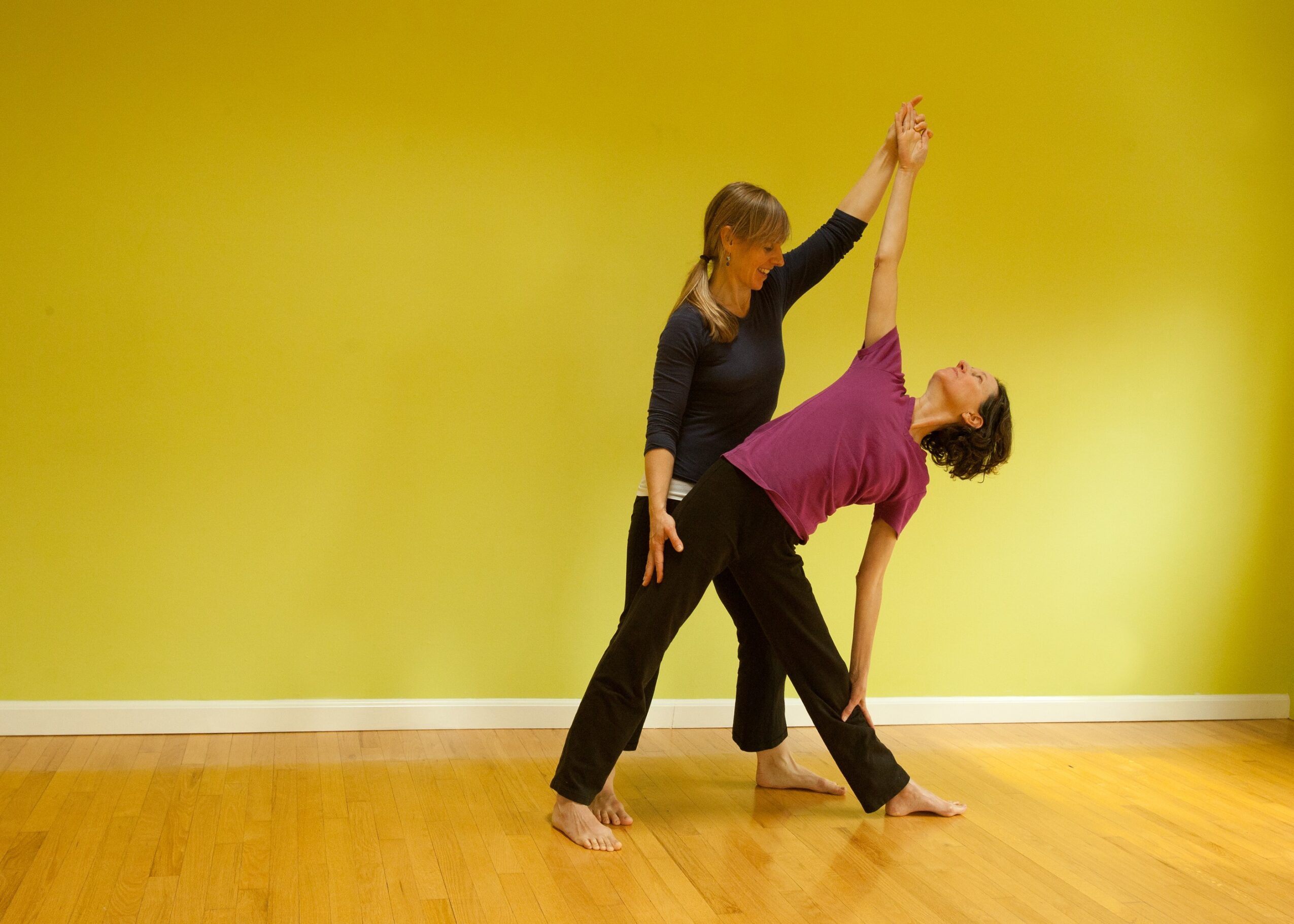
I became particularly drawn to working one-on-one. In a private therapeutic relationship, there is time to listen—to understand the individual rather than simply teach a technique. A practice can be shaped around the person’s actual life and can evolve as that person changes.
For me, this is where yoga becomes especially powerful.
The goal isn’t to perform the perfect posture. It is to discover what practices help this particular human being move toward greater balance, resilience, awareness, and wholeness.
Bringing the paths together
Over time, my teaching expanded. Alongside group classes and private yoga therapy, I began teaching the Yoga Sutras in a 200-hour yoga teacher training program, and later meditation and pranayama. At the same time, I continued intensive spiritual study and practice within the radical nondual tradition of my Guru. Much of what I had encountered in my studies with my previous gurus—teachings I had understood intellectually or experienced in profound but fleeting moments—began to come alive in a new way. Through my relationship with my Guru, these teachings became less something I was reaching toward and more something I was learning to embody. My Guru helped me bring spiritual understanding into the immediacy of daily life: into the body, into relationship, into the places where I struggled, and into the ordinary moments where our deepest understanding is ultimately lived.
What once seemed like separate strands of my life increasingly revealed themselves as one inquiry.
As a child, I discovered instinctively that movement could bring me home to myself. As a young adult, profound spiritual experiences opened questions about consciousness and the nature of reality. Years of meditation and spiritual practice taught me to investigate the mind and heart. Yoga gave me a way to bring that inquiry into the body and breath. Yoga therapy taught me how to translate those principles into individualized practices that can support another person’s well-being.
Today, those dimensions continue to inform one another. They are also leading me into the next expression of my work: the development of a 300-hour advanced yoga teacher training rooted in the deeper, more radical and esoteric dimensions of the yoga tradition. I want to create a space for experienced teachers and practitioners to move beyond yoga primarily as a collection of techniques and explore the profound questions at its heart: What is the nature of the self? What is consciousness? What keeps us bound to patterns of suffering and separation? And what does liberation actually mean—not simply as a philosophical concept, but as something that can be discovered and embodied in our lives?
In many ways, creating this training feels like a continuation of the inquiry that has shaped my own life. It brings together the therapeutic, philosophical, embodied, and spiritual dimensions of yoga that I once encountered as separate paths.
My work as a yoga therapist remains grounded in the practical realities of being human: we have bodies that hurt and change, nervous systems that become overwhelmed, minds that become restless, and lives that challenge us. Yoga offers concrete tools for meeting those realities.
But I also believe yoga points toward something larger.
Beneath the techniques, postures, breathing practices, and philosophies is an invitation to experience ourselves as more whole—to discover a deeper intimacy with our bodies, our lives, one another, and the mystery in which all of this is occurring.
That possibility has been quietly calling to me since childhood.
Becoming a yoga therapist gave me a way to help others discover it for themselves. Creating this advanced training is, for me, the next step in sharing that inquiry more deeply.
Can you talk to us a bit about the challenges and lessons you’ve learned along the way. Looking back would you say it’s been easy or smooth in retrospect?
No, it has not been a smooth road. For much of my life, I didn’t know exactly what I was looking for. I only knew that I felt drawn toward something I couldn’t quite name—something greater, something mysterious and ultimately unspeakable. Following that calling has taken me from one teacher to another, from one profession to another, and across many different places and communities. There have been periods when I felt lost and couldn’t see a clear path forward. In those moments, I had to learn to be patient with uncertainty and trust the deeper yearning that continued to draw me forward.
The spiritual path itself has also been deeply challenging. Studying closely with a guru isn’t always comfortable. It has required me to confront parts of myself I might otherwise have avoided—my fears, doubts, attachments, addictions, and deeply ingrained patterns. A true spiritual practice doesn’t only offer beautiful or transcendent experiences; it also illuminates the places within us that need to be seen and transformed. I’ve been extraordinarily fortunate to study with gurus who, amid that sometimes difficult process, also transmitted a profound sense of love, light, and a reality greater than the limitations I was confronting. This gave me the strength to remain with the process even when it was difficult.
There have been more ordinary challenges as well. I’m not naturally someone who wants to be at the center of attention. Teaching in front of large groups doesn’t necessarily come naturally to me, but my love for yoga and for what these teachings can offer people has continually drawn me beyond that discomfort. In many ways, my love for the transformative power of yoga has had to become greater than my desire to remain unseen.
And then there is the challenge of making a livelihood from something you deeply care about. I’ve never considered myself a natural businessperson, and marketing myself has often been uncomfortable. There is a vulnerability in saying, “This is what I have to offer,” and putting it out into the world.
Looking back, though, I don’t see these struggles as separate from the path. The uncertainty, the inner confrontation, the changes in direction, and even the discomfort of becoming more visible have all asked me to practice what yoga has been teaching me all along: to stay present, to listen deeply, and to continue moving toward what feels true even when I can’t yet see where it will lead.
Appreciate you sharing that. What else should we know about what you do?
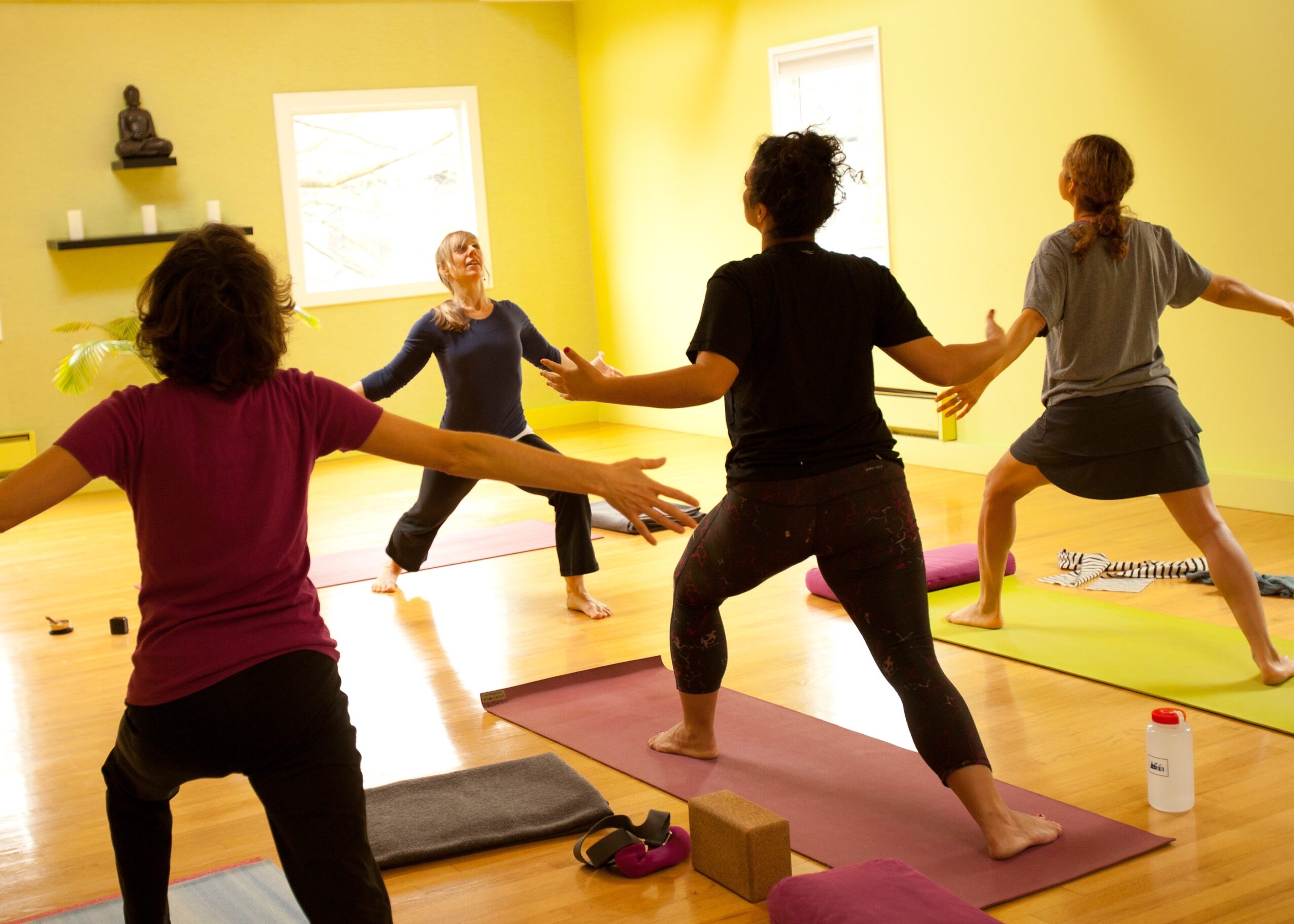
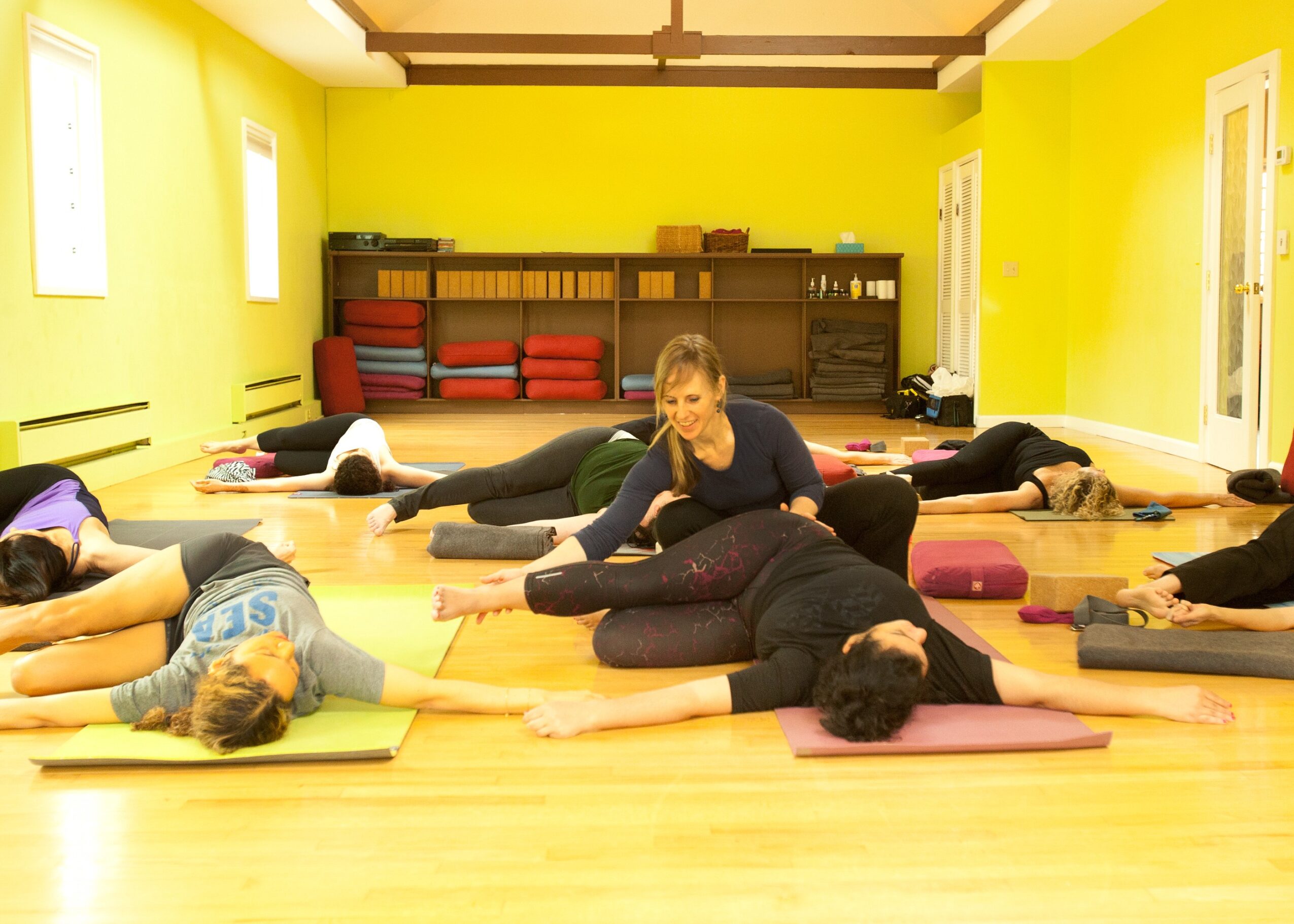
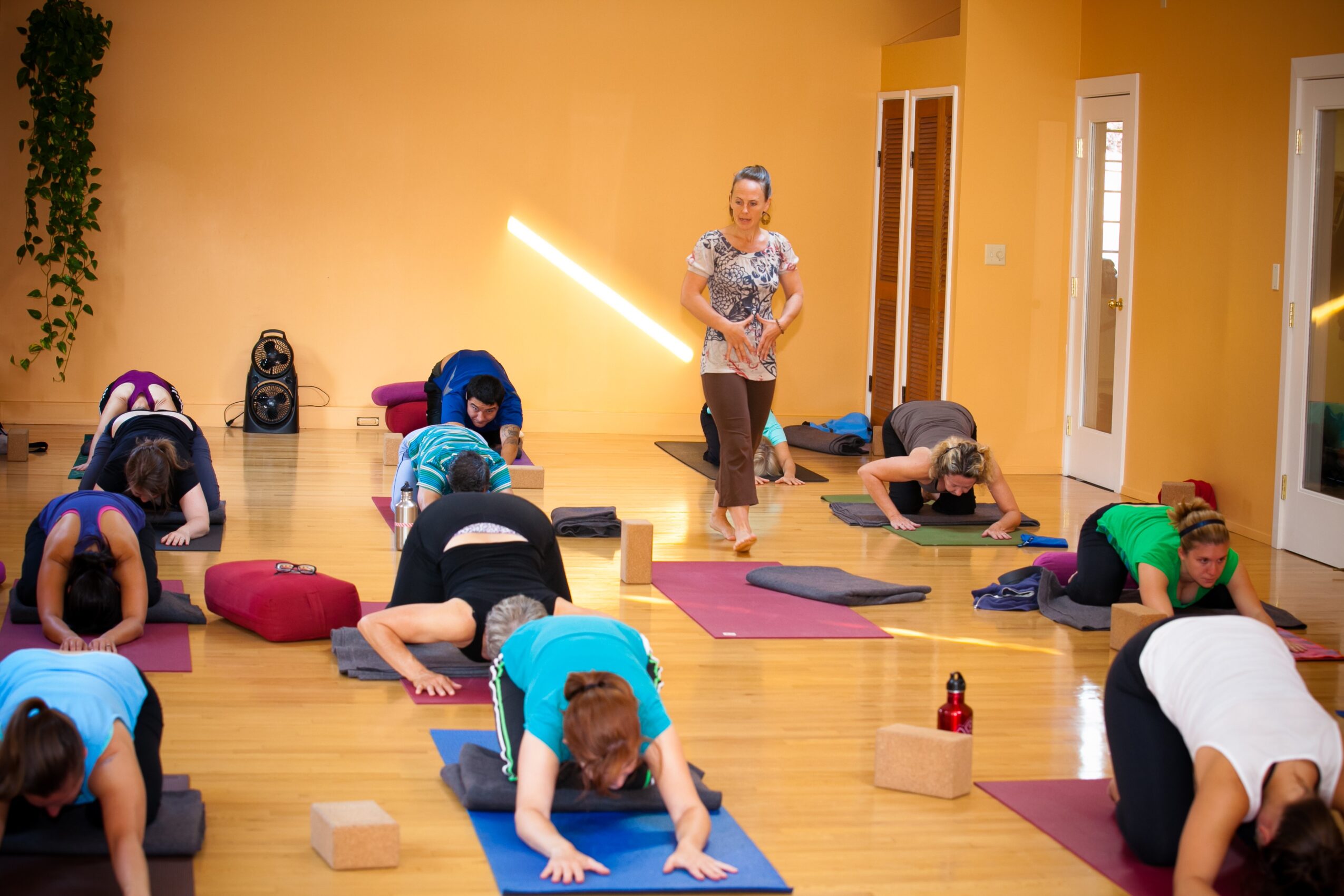
My work lives at the intersection of yoga therapy, traditional yoga, and spiritual practice. I teach group classes, work privately with individuals as a yoga therapist, and teach yoga philosophy, meditation, and pranayama in yoga teacher training programs. I’m also currently developing a 300-hour advanced yoga teacher training that will explore the deeper, more esoteric dimensions of yoga while remaining grounded in embodied practice and the realities of everyday life.
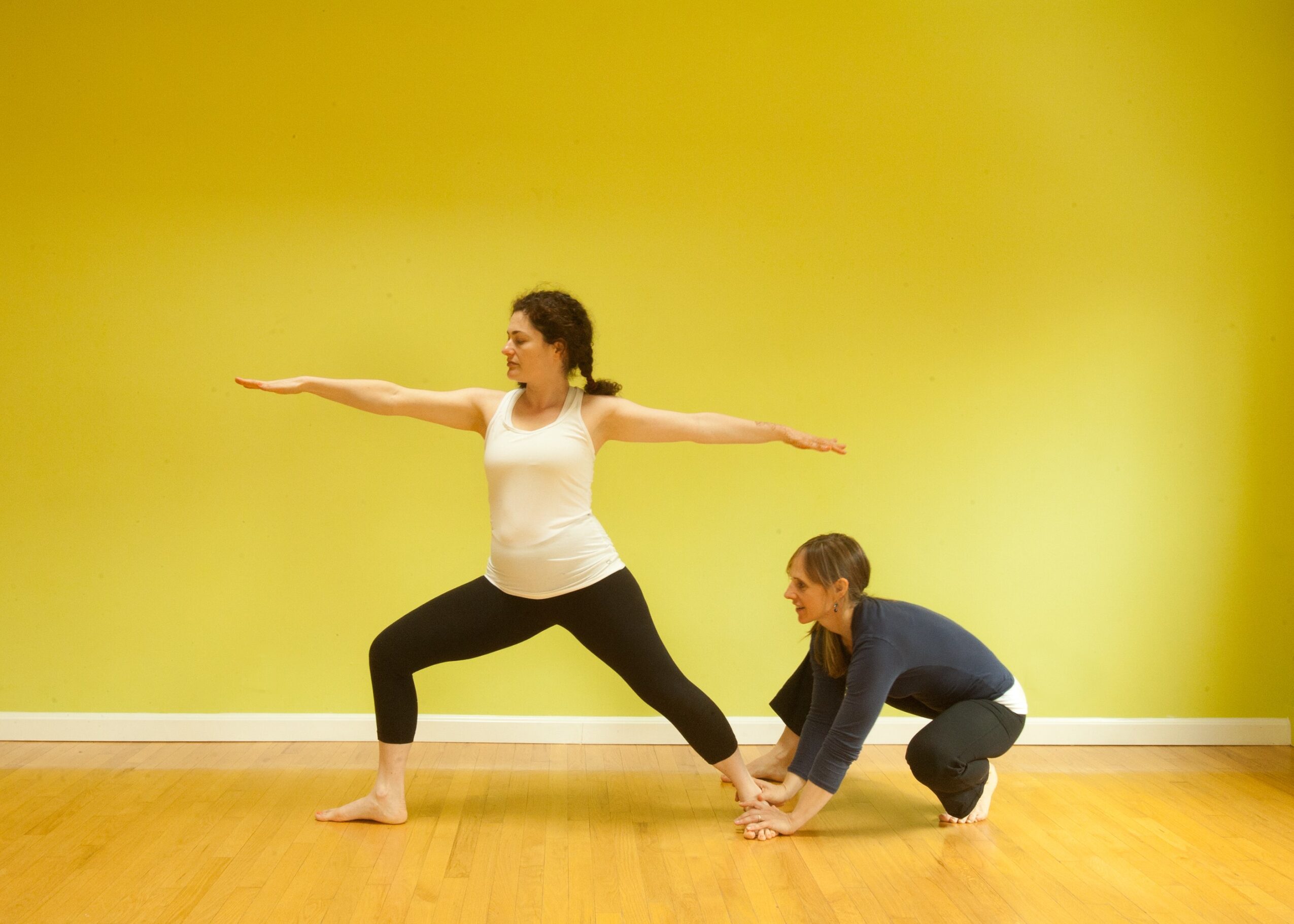
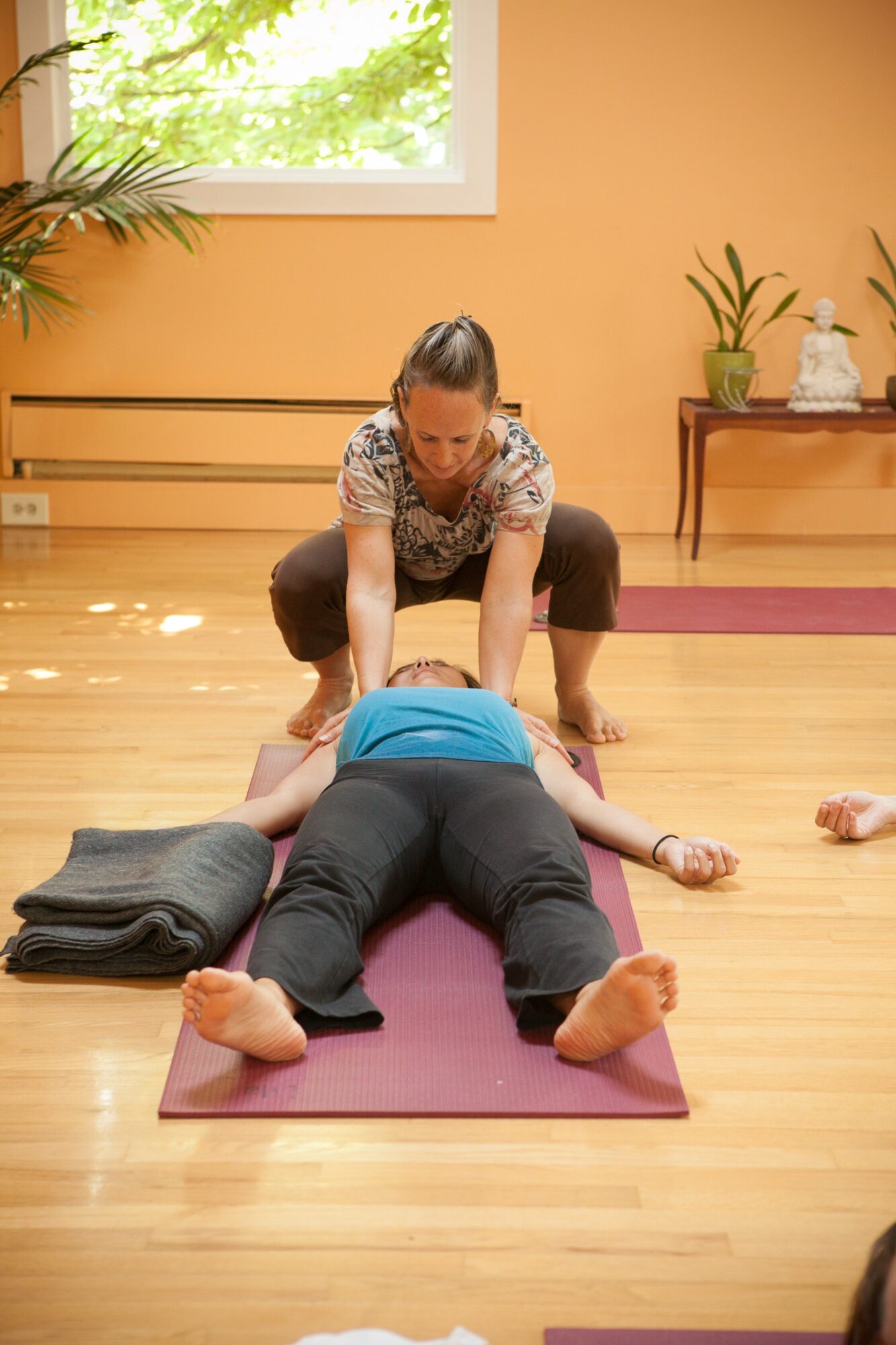
As a yoga therapist, I specialize in working with people individually. One of the things I value most about the Viniyoga tradition is the understanding that yoga should be adapted to the person rather than asking the person to adapt to yoga. Each of us arrives with a different body, history, nervous system, set of challenges, and relationship to ourselves. My role is to listen carefully and draw from the breadth of yoga—movement, breath, meditation, philosophy, and other practices—to help create something that genuinely serves the individual.
But my understanding of yoga also extends beyond its therapeutic applications. I’ve spent decades immersed in meditation and spiritual practice, particularly within radical nondual traditions. Those years have profoundly shaped the way I understand and teach yoga. I’m interested not only in how yoga can help us feel better or function better, as important as those things are, but in the deeper questions yoga has traditionally asked: Who are we? What is the nature of consciousness? What creates our sense of separation and suffering? And what does it mean to become truly free?
I think this integration is what most distinguishes my work. In contemporary yoga, the physical, therapeutic, philosophical, and spiritual dimensions are sometimes treated as separate disciplines. My own life has taught me that they are deeply interconnected. The body can be an entryway into self-understanding. The breath can reveal the state of the mind. Our relationships can illuminate patterns that meditation alone may not uncover. And spiritual insight becomes meaningful when it begins to transform how we actually inhabit our bodies, relationships, and ordinary lives.
I’m especially interested in that movement from understanding something conceptually to actually embodying it. This has been central to my own spiritual practice and to my work with my Guru. It’s also central to how I teach. I’m less interested in accumulating knowledge or techniques than in asking: How does this teaching become lived? How does it change the way we breathe, respond, relate, and meet difficulty? How does yoga become something we are rather than simply something we practice?
What I’m most proud of is creating spaces where people can explore these questions while still being met exactly where they are. Someone may come to me because they’re experiencing physical discomfort or stress; another person may be a longtime yoga teacher wanting to understand the Yoga Sutras more deeply; another may be drawn toward meditation or the spiritual dimensions of yoga. I don’t believe everyone needs to have the same goal or follow the same path.
What matters to me is honoring the person in front of me while remaining faithful to the depth of the tradition.
After many years of teaching, practicing, studying, and working one-on-one with people, I increasingly feel that my role is to create a bridge: between ancient teachings and contemporary life, between therapeutic practice and spiritual inquiry, and between what we understand intellectually and what we are actually able to embody.
That is also the vision behind the 300-hour advanced teacher training I’m developing. I want to offer experienced yoga teachers and practitioners an opportunity to go beyond technique and engage the more radical questions at the heart of yoga—not as abstract philosophy, but as a living inquiry into who and what we truly are.
What matters most to you?
What matters most to me is living in alignment with what I experience as the deepest truth of who we are, and allowing that understanding to become more fully embodied in everyday life.
For much of my life, I’ve been drawn by a yearning to understand something greater than myself—to know the Divine, not simply as an idea or philosophy, but as a living reality. That yearning has guided many of the major decisions I’ve made, even when I couldn’t see where they would lead. It brought me to my gurus, to meditation, to yoga, to yoga therapy, and ultimately to the work I do today and the renunicate life-style I live in spiritual community.
Over the years, I’ve come to understand that spiritual realization isn’t only about extraordinary experiences or transcending our ordinary lives. What matters is how that understanding transforms the way we actually live—how we inhabit our bodies, how we meet difficulty, how we relate to other people, and how fully we are able to be present and available to life.
That is also why yoga matters so deeply to me. At its heart, I believe yoga is an invitation to wholeness. The physical practices, breathwork, meditation, self-inquiry, and philosophical teachings can help us recognize the patterns that keep us feeling separate and reconnect us with something deeper.
What matters to me, then, is both very personal and at the heart of my work: continuing to deepen my own relationship with the Divine and helping create conditions in which others can discover what is true for themselves.
I don’t believe that means giving people my answers. It means meeting them where they are, offering practices and teachings that can support genuine inquiry, and creating space for their own understanding to emerge.
Ultimately, what matters most to me is that the spiritual path becomes lived—that whatever love, freedom, connection, or truth we discover in practice doesn’t remain on the meditation cushion or yoga mat, but finds its way into how we live our lives.
Contact Info:
- Website: https://www.onetoone.yoga/
- Instagram: https://www.instagram.com/onetooneyoga/
- Facebook: https://www.facebook.com/OnetoOneYoga/
- Linkedin: https://www.linkedin.com/in/onetooneyoga/
- Youtube: https://www.youtube.com/channel/UCRIY-hBBzCFwJIoF8wNy5vw
- Other: https://www.google.com/maps/place/One+To+One+Yoga/@47.6378559,-122.2533363,11z/data=!3m1!4b1!4m5!3m4!1s0x54900dc7327f58ef:0x99839178bb324fd0!8m2!3d47.6377098!4d-122.1132508