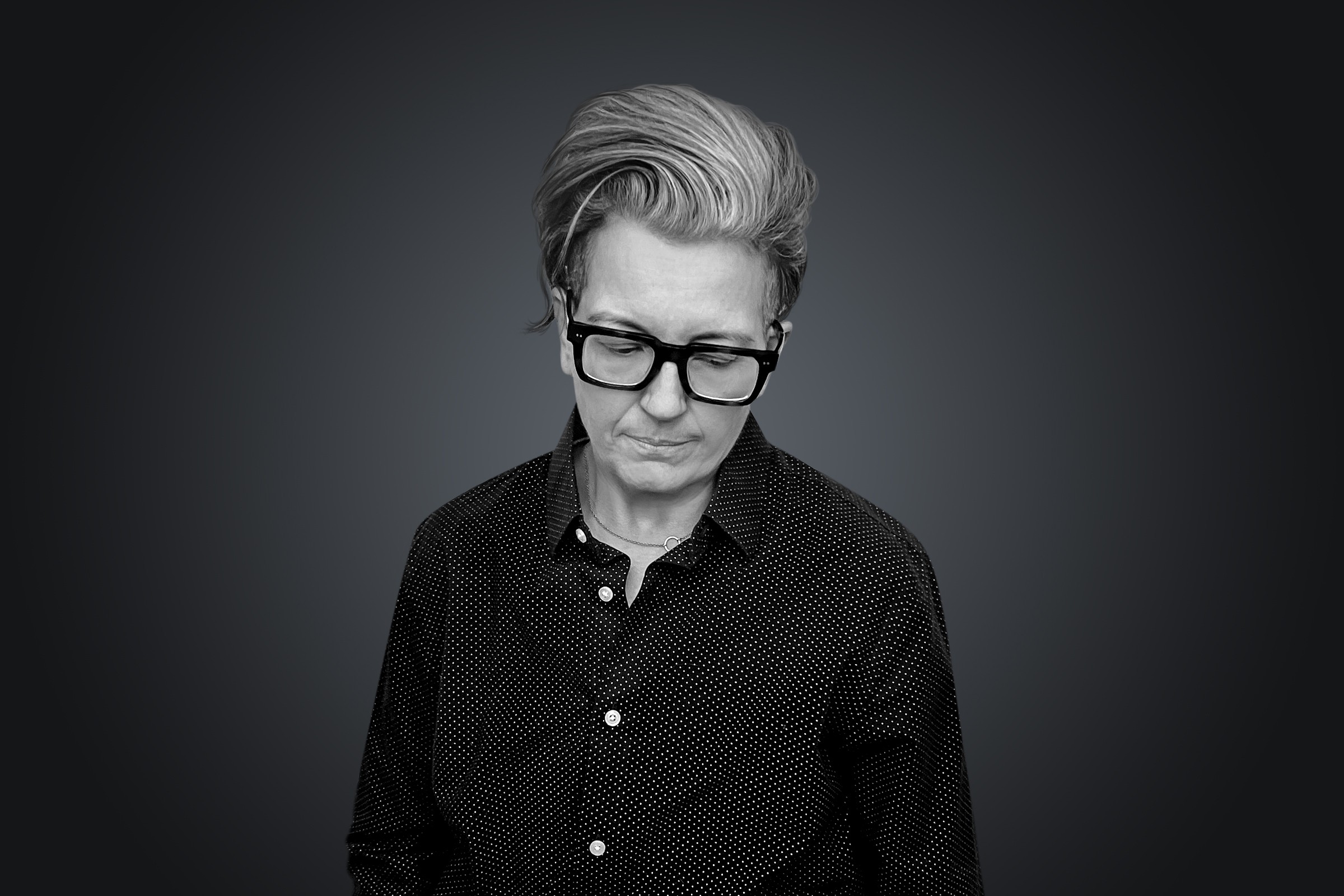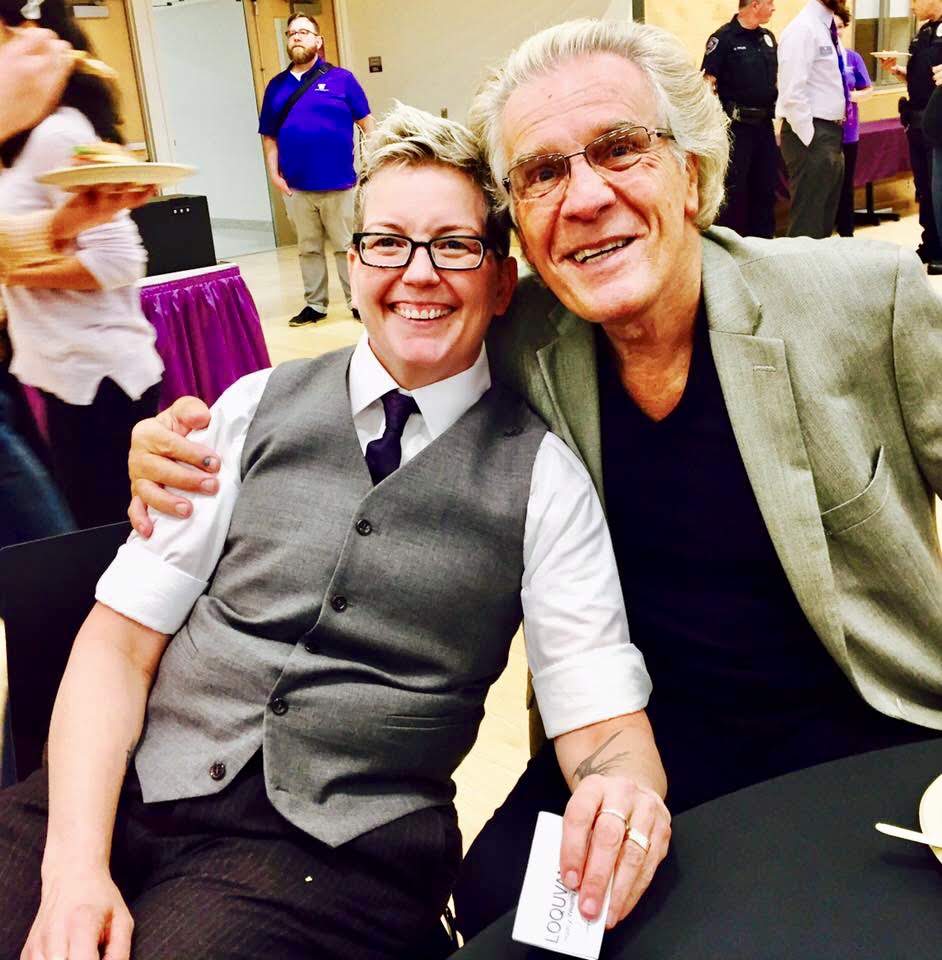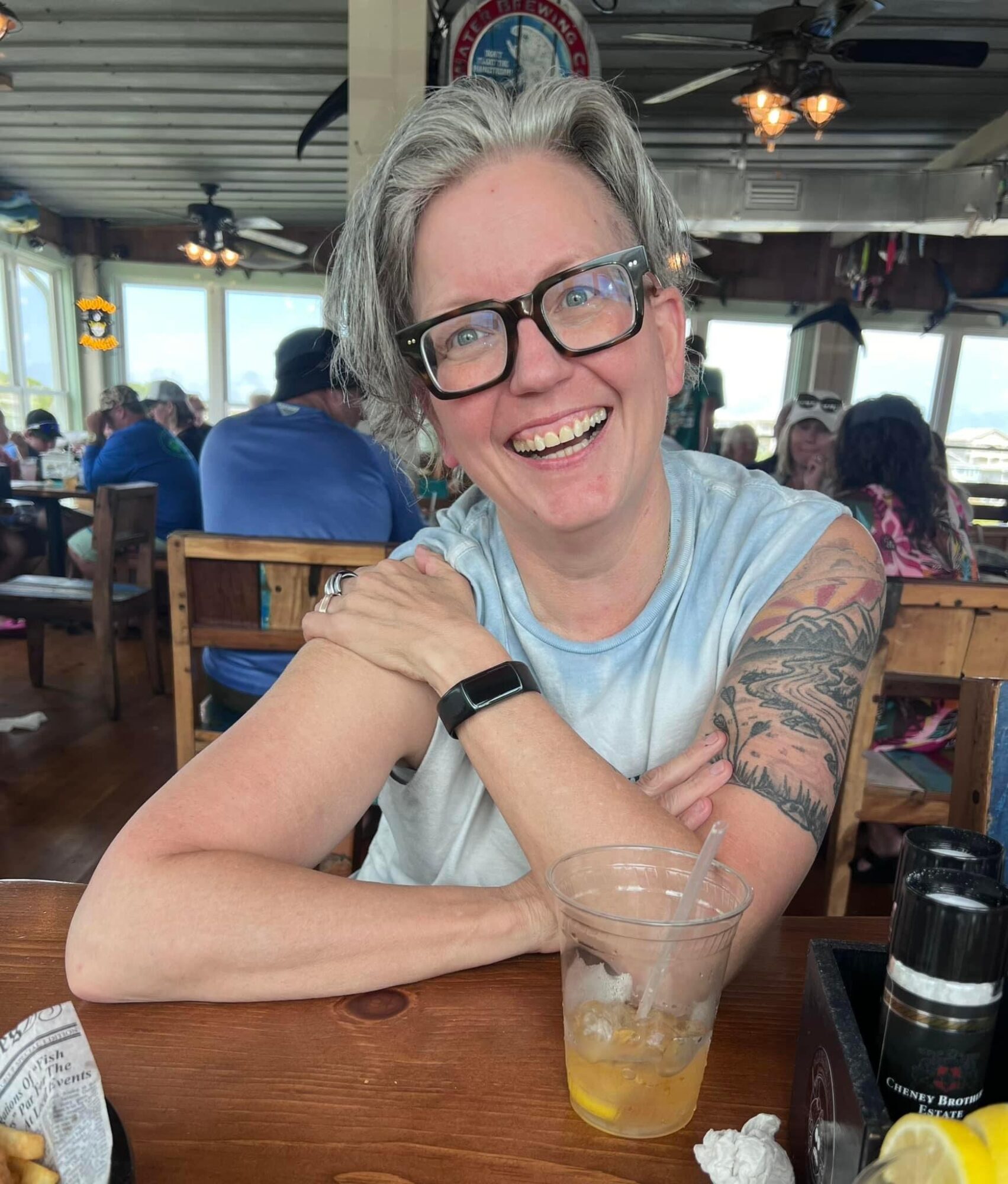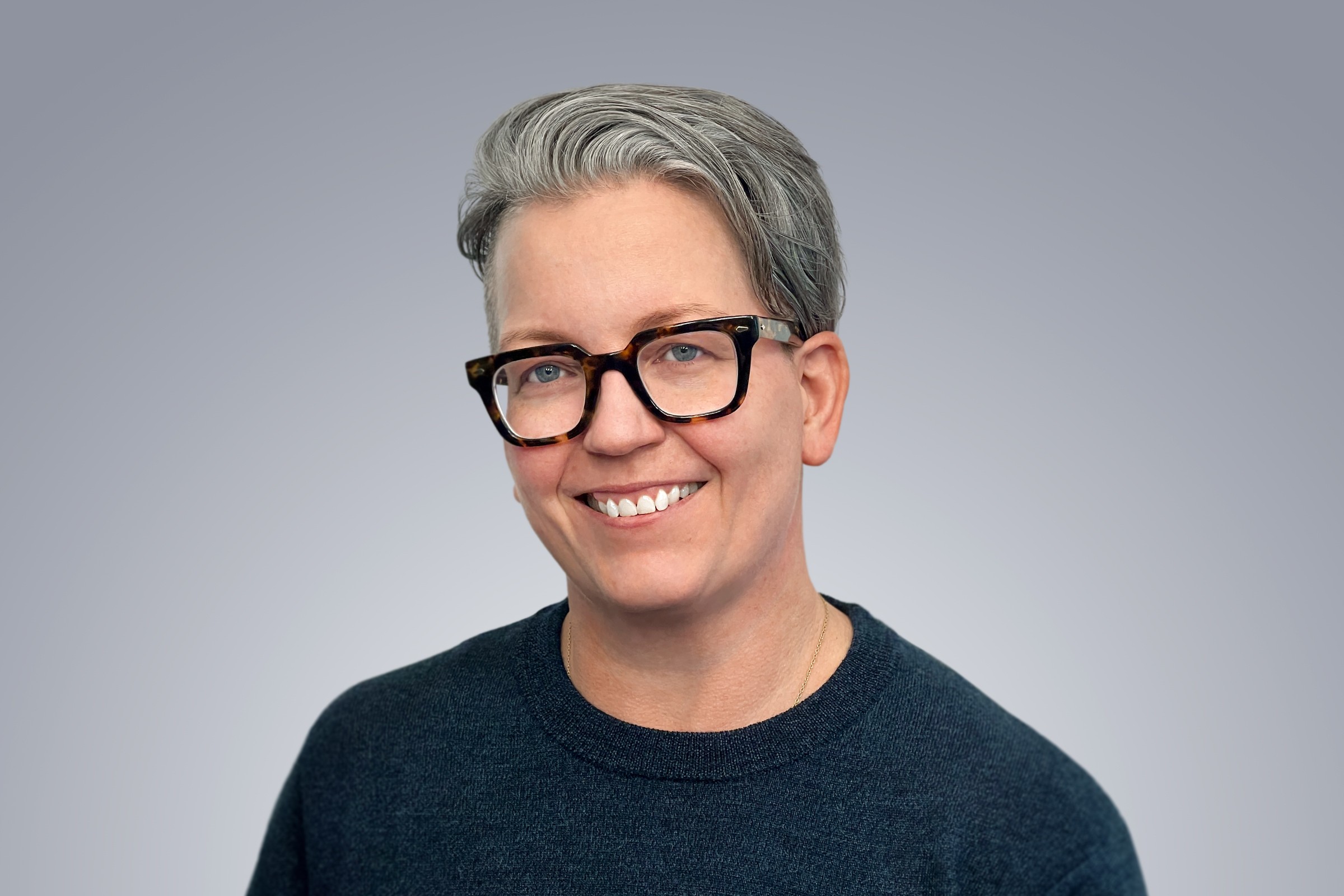





Today we’d like to introduce you to Jen Self.
Hi Jen, thanks for joining us today. We’d love for you to start by introducing yourself.
My route to the work I do seems circuitous at a glance; however, the throughline of everything I’ve done since I was a kid is educating about, fighting against, revealing, and healing racial and gender inequity and injustice. So much of that work has been undoing my own cultural learning.
I grew up noticing patterns early: who was protected, who was punished, who was invisible, and who paid the price for systems that claimed to be neutral. As a queer, gender-nonconforming, neurodivergent person, I learned quickly that survival requires both reading systems and imagining alternatives. That instinct, to see what is, name what’s wrong, disrupt, and bring into the world that which so many of us have not had access to: space, liberation, love, affirmation, justice.
Professionally, that has looked like moving across spaces that shape people’s lives: higher education, mental health, community-based organizations, and leadership mentoring and development. I’ve been a therapist for nearly three decades, working with individuals, families, and communities as they navigate trauma, identity, power, privilege, and change. I am the founding Director of the University of Washington’s Q Center, have co-created national leadership initiatives for queer and trans leaders, co-facilitated racial healing circles, and have spent years designing and delivering justice-centered strategy, training, policy development, and consultation for institutions trying, sometimes clumsily, sometimes courageously, sometimes not at all: to do better.
What connects it all is this: I sit at the intersection of personal healing and structural change. I translate between lived experience and systems, between emotion and action, between intention and impact. My work now brings together everything I’ve learned, as a clinician, educator, organizer, and leader, to help people and organizations tell the truth, be accountable, lead honestly, repair harm, disrupt biased thinking and behavior, and build cultures that are more truthful, more connected, and more just.
We all face challenges, but looking back would you describe it as a relatively smooth road?
It has not been a smooth road, though it has been smoother than the roads others have traveled. I was born into a world that, while changing, relied on gender and racial categories that made no sense to me and that I questioned immediately. Why can’t a girl play baseball with the boys, especially when I was one of the best athletes in my town? Why are people treated differently based on skin color, and what does that mean for me as a white kid trying to understand my place and responsibility?
Much of the struggle came from living between worlds, which is also, I believe, a gift. Often, I was too queer, too gender-nonconforming, too outspoken, too truthful, too sensitive for many spaces; and simultaneously granted access and safety because of my whiteness, education, and class position. Learning to hold multiple truths at once and locating my part, without collapsing into guilt or denial, took time. I sought to unlearn mistruths about people and this country, any superiority (racial, national, ethnic) in which I had been enculturated, and push through the easy stops of confusion, dissociation, and distancing, while also learning listen, believe, understand, and to take risks, make mistakes publicly, and lead through transparency and accountability.
Professionally, challenging institutions from the inside came with real costs. Naming harm, pushing for structural change, and advocating for people who were routinely ignored or punished often meant being seen as difficult, emotional, or disruptive. I experienced burnout, resistance, and moments where the system made it clear that transformation is welcomed rhetorically but resisted operationally. I have lost jobs and been verbally accosted.
Personally, the work has required ongoing healing; listening to my body, reckoning with trauma stored in it, and learning when to push and when to rest. The road hasn’t been smooth, but it’s one I have chosen. It reminds me of the dirt road I grew up on, full of potholes, washed out in the rain, difficult to navigate, but it always took me home.
Appreciate you sharing that. What else should we know about what you do?
My work lives at the intersection of justice, healing, education, and imagination. I am a therapist, educator, strategist, and creative, and I specialize in helping people and institutions tell the truth about power, privilege, harm, identity, and possibility. The goal is for them to do something meaningful with that truth.
Professionally, I am known for bridging worlds that are often understood as separate. And, when doing racial and gender justice work, I never work alone – I am always in relationship with Black, Brown, Indigenous, and other queer healers and educators with whom I have built friendships and collegiality. I am a healer, an educator, a strategist, and hopefully a catalyst for individual, cultural, and structural liberation. Curiosity, relationality, accountability, humor, kindness, love ethic, truth-telling, invention, opening space, being a blocker for others’ leadership, and being consistent, insistent, and persistent. This is what I do.
My work spans higher education, government, nonprofits, and corporate spaces, and I’m often brought in when things are stuck, fractured, or performative and need honesty, repair, and forward motion. Alongside this, creativity is not a side project—it is a core method. I am a speaker, storyteller, and voice actor, and I use narrative, humor, performance, and embodied presence to help ideas land in people’s bodies, not just their intellects. Whether I’m delivering a keynote, co-facilitating a racial healing circle, coaching in the Queer Leadership Lab, recording voice work, or writing, I use story to disrupt defensiveness, invite curiosity, and make complex concepts accessible and human. People often tell me that I say the things they’ve been feeling but didn’t have language for, and that I do it in a way that feels both challenging and empathic.
My personal life grounds all of this. I am a spouse, partner, parent, and a person in an ongoing relationship with love, conflict, repair, and growth. I live the tensions I work with: between responsibility and rest, conviction and humility, clarity and complexity. Being in a long-term partnership, raising a teenager, and building chosen family keep my work honest. Justice is not abstract; it is practiced daily in how we align our values, listen to and believe others, reflect and act, and show up for one another. Praxis is it.
What I’m most proud of is not a single title or project, but the throughline: I have helped build spaces—centers, programs, teams, conversations, research, organizations, and projects where historically and contemporarily marginalized peoples, those living furthest from access and justice, take space, are heard, lead others, and are affirmed for who they are and what they bring, where hard truths are named without people being discarded, and where imagination is treated as an indispensible skill for transformation.
What sets me apart is my ability to integrate rigor and warmth, strategy and care, analysis and artistry. I don’t just diagnose problems or deliver frameworks—I create conditions where people can feel, think, and act differently. Integration is the work, and what makes it real.
So, before we go, how can our readers or others connect or collaborate with you? How can they support you?
Collaboration and relationship, IMO, are the foundations of liberatory change. Please check out the Root of Us and the Queer Leadership Lab.
Organizations, teams, and institutions collaborate with me through consulting, facilitation, and strategy work focused on justice-centered leadership, culture change, and repair. This can include leadership development, equity and accountability work, conflict navigation, program design, and long-term change initiatives. I tend to work best in spaces that are ready to move beyond optics and toward honest assessment, shared responsibility, and sustained practice.
Individuals work with me through psychotherapy, clinical consultation, coaching, strategizing, and creative collaboration. I support leaders, clinicians, educators, and artists who are navigating complexity—power, privilege, identity, burnout, visibility, or transition, and who want to align their values with their actions. I also collaborate on writing, storytelling, and performance-based projects where voice, narrative, and embodiment matter.
People also collaborate with me creatively. I’m available for speaking engagements, keynotes, panels, workshops, and voice work. These engagements blend story, analysis, humor, and clarity, and are often used to open conversations, reset culture, or help audiences make sense of difficult or emotionally charged topics.
Support can take quieter forms as well. Sharing my work, inviting me into conversations where honesty is needed, funding or sponsoring justice-centered initiatives, and creating conditions where this work can be done sustainably all matter. Most importantly, people support liberatory work by practicing it.
The best collaborations are grounded in relationship, mutual care and respect, clarity of purpose, and a shared commitment to doing work that is queered, honest, and human.
Pricing:
- I’m looking to collaborate with folks who want a queer voice for your audio books, stories, or podcasts.
- I love moderating a great conversation.
- I know that I am a powerful and effective healer, educator, and speaker.
- I often tell people to go see a different practitioner or hire a different speaker because they are after something outside my life experience.
Contact Info:
- Website: https://www.brick13.com https://www.queerleadershiplab.com/ https://www.therootofus.com/ https://www.drjsvoice.com
- LinkedIn: https://www.linkedin.com/in/drjenself13/
- Other: https://www.spreaker.com/episode/s3-e5-the-grief-harvest-master–69103078