




Today we’d like to introduce you to Sara Welch.
Hi sara, please kick things off for us with an introduction to yourself and your story.
I got sober nearly thirteen years ago, and that decision became the starting point for everything that followed. At the time, I wasn’t thinking about fitness or a future career change. I was focused on rebuilding my life and figuring out how to live differently.
Early in sobriety, I asked myself a simple question: What brings me joy? I thought back to being a teenager in my parents’ basement doing Billy Blanks Tae Bo videos. That memory stayed with me, so I joined a local gym and signed up for a kickboxing class.
That class led to more classes. Being in that space brought movement back into my life in a consistent way. I was using my body again, paying attention to it, and building strength where there hadn’t been much before. Not long after, I signed up for a sprint triathlon. Training for something specific gave my weeks structure and direction. It required planning, follow-through, and time spent working toward something that unfolded over months rather than days.
As my fitness developed, my ability to participate in my life changed with it. I wasn’t pulling back from hikes with my dad or outdoor experiences that mattered to me because my body felt unreliable. I had the capacity to take part, and that mattered.
In my forties, I made the decision to change careers and pursue personal training. I began coaching at the same gym where I had taken that first kickboxing class years earlier. It felt like a continuation rather than a pivot. I was stepping more fully into a space that had already shaped my life in meaningful ways.
That’s also where I worked alongside my business partner, Kate. We coached in the same environment and developed our skills side by side. We shared a similar approach to training and a similar respect for the long view—how strength, confidence, and resiliency are built over time through consistent work. That shared perspective eventually extended beyond coaching sessions and into conversations about creating something of our own.
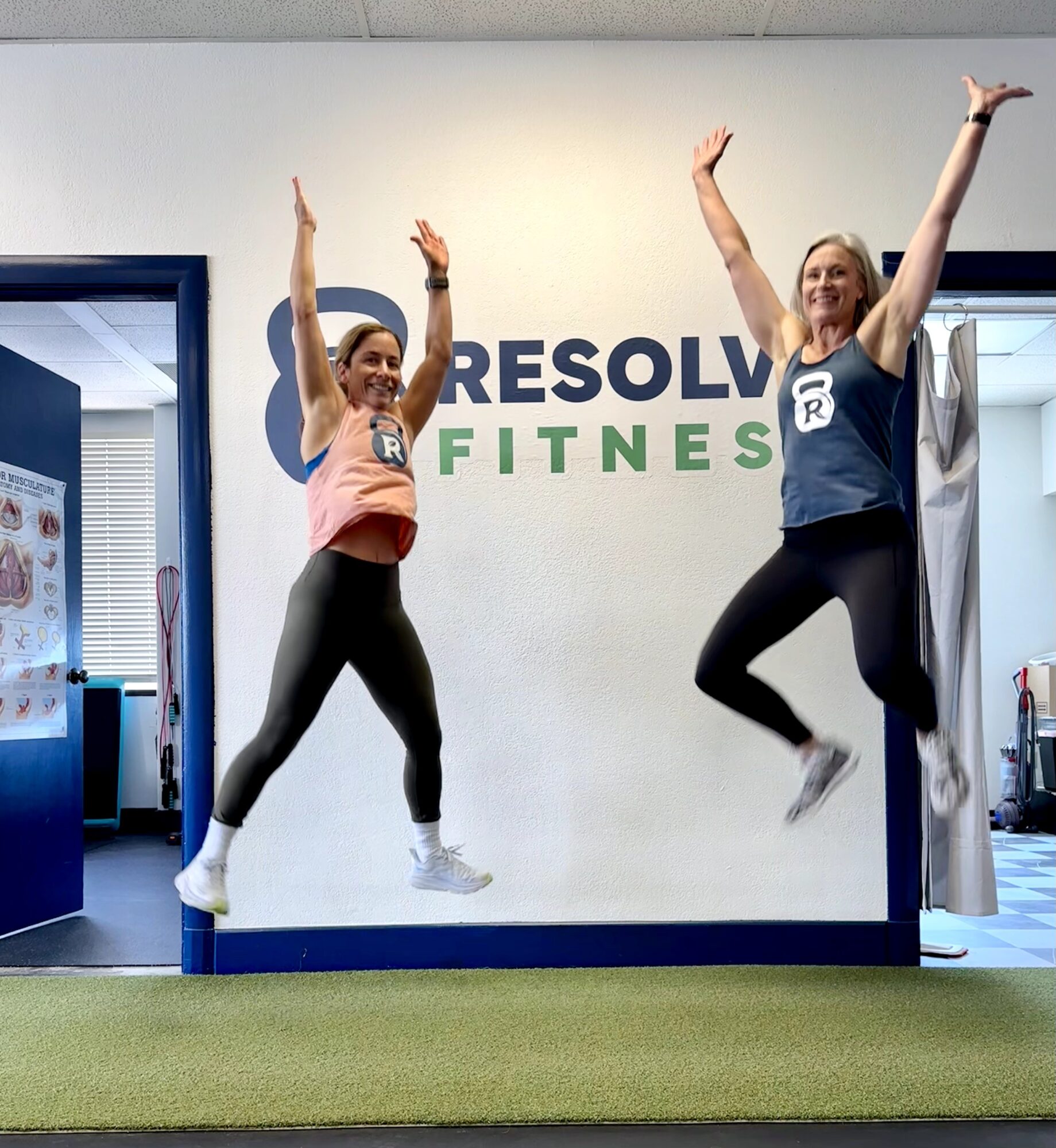
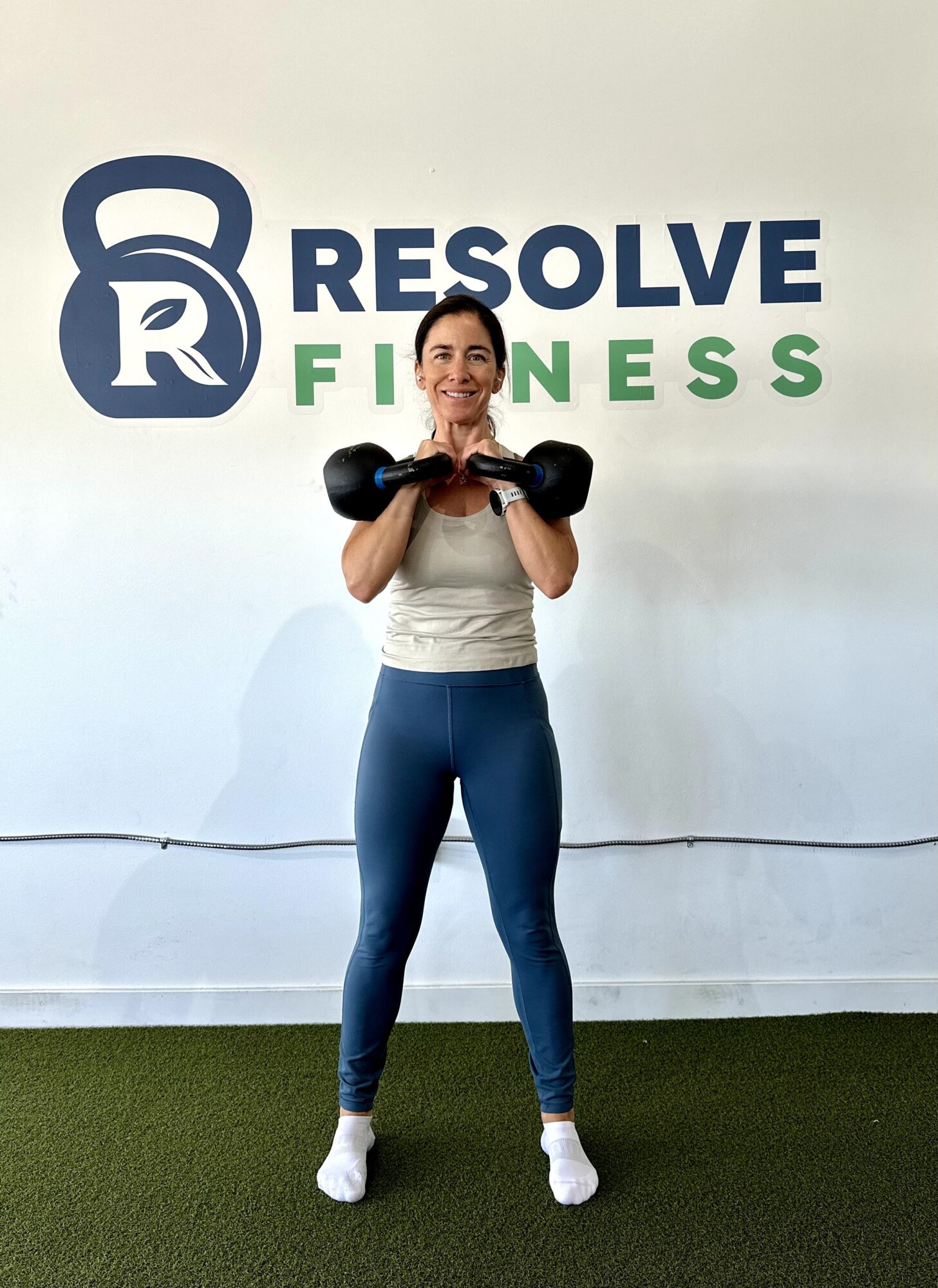
One step led to the next, and we opened Resolve Fitness in Ballard. The gym grew out of shared experience, shared values, and years spent learning what it takes to stay engaged with both training and life.
Would you say it’s been a smooth road, and if not what are some of the biggest challenges you’ve faced along the way?
I never expected the road to be smooth, and I don’t think smooth is the goal.
From the beginning, sobriety taught me that growth usually comes with friction. You don’t bypass it. You learn how to stay engaged inside it. That framework has carried into everything else I’ve built since.
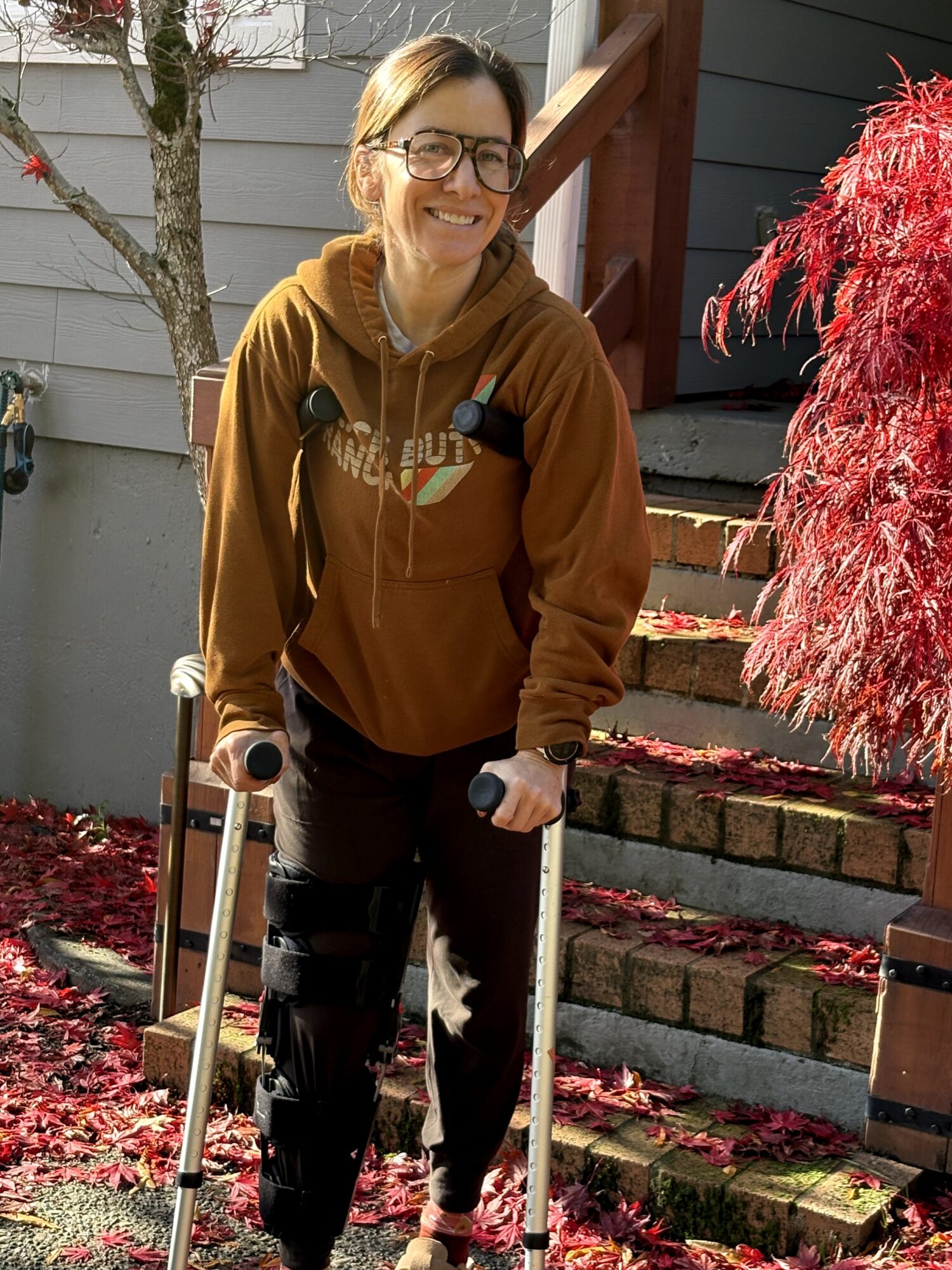
More recently, knee surgery and a long rehab process reinforced that lesson again. Rehab forces you to slow down and work within real constraints. You can’t rush healing, and you can’t train the way you’re used to, so you have to think differently. Going through that myself has deepened my empathy for clients who are navigating injury, chronic pain, or setbacks. I understand what it feels like when your body limits how fully you can participate in your life, and how disorienting that can be. It’s also a reminder that when one outlet is temporarily closed, you have to find other ways to fill your cup and stay connected to yourself.
That same mindset shows up in business ownership. About two and a half years in, we’re still very much in the early phase. We’re building systems, refining processes, and creating procedures that will allow things to run more smoothly over time. It’s slower than people expect, but it’s intentional. We’re focused on finding balance and building something that can hold up under pressure, not chasing the illusion of smooth sailing.
Recently, the economy has been unpredictable, and layoffs have directly affected our community. That reality shapes how we operate. We need to offer services that meet people where they are, at different needs and price points, while continuing to bring real value. We want Resolve to be a place where people can show up feeling unsettled, overwhelmed, or unsure, and put that energy to good use. Strength training gives people a way to rebuild a sense of agency when the world feels out of control.
Fitness plays a real role in mental health. It supports sleep, helps regulate stress, builds confidence through competence, and gives people structure when other parts of life feel unstable. We care deeply about helping clients connect those dots, especially in spaces like menopause, where there’s a lot of fear-based messaging and conflicting advice. Our goal is to inform and educate so people can use discernment, make grounded decisions, and not fall into traps that prey on vulnerability.
So no, it hasn’t been smooth, and I never expected it to be. The work has been about staying engaged, adjusting when needed, and building strength over time, both personally and as a business.
Slow is smooth. Smooth is fast.
Appreciate you sharing that. What should we know about Resolve Fitness Ballard?
Resolve Fitness is a strength and functional fitness studio grounded in thoughtful coaching and long term development.
We coach strength training with close attention to how people actually live. Sessions are structured, progressive, and adaptable. We care about movement quality, recovery, and how training fits into the rest of someone’s life. A big part of the work is helping people be honest about where they are right now, do the best they can with what they have, and build forward from there.
We work primarily with women in midlife who are navigating perimenopause, menopause, old injuries, or seasons of life that place new demands on their energy and capacity. Training starts with context. Life stress, sleep, work, and health all influence recovery and output. When you take the time to understand that, you can create balance, introduce variety, and make decisions that support consistency rather than burnout.
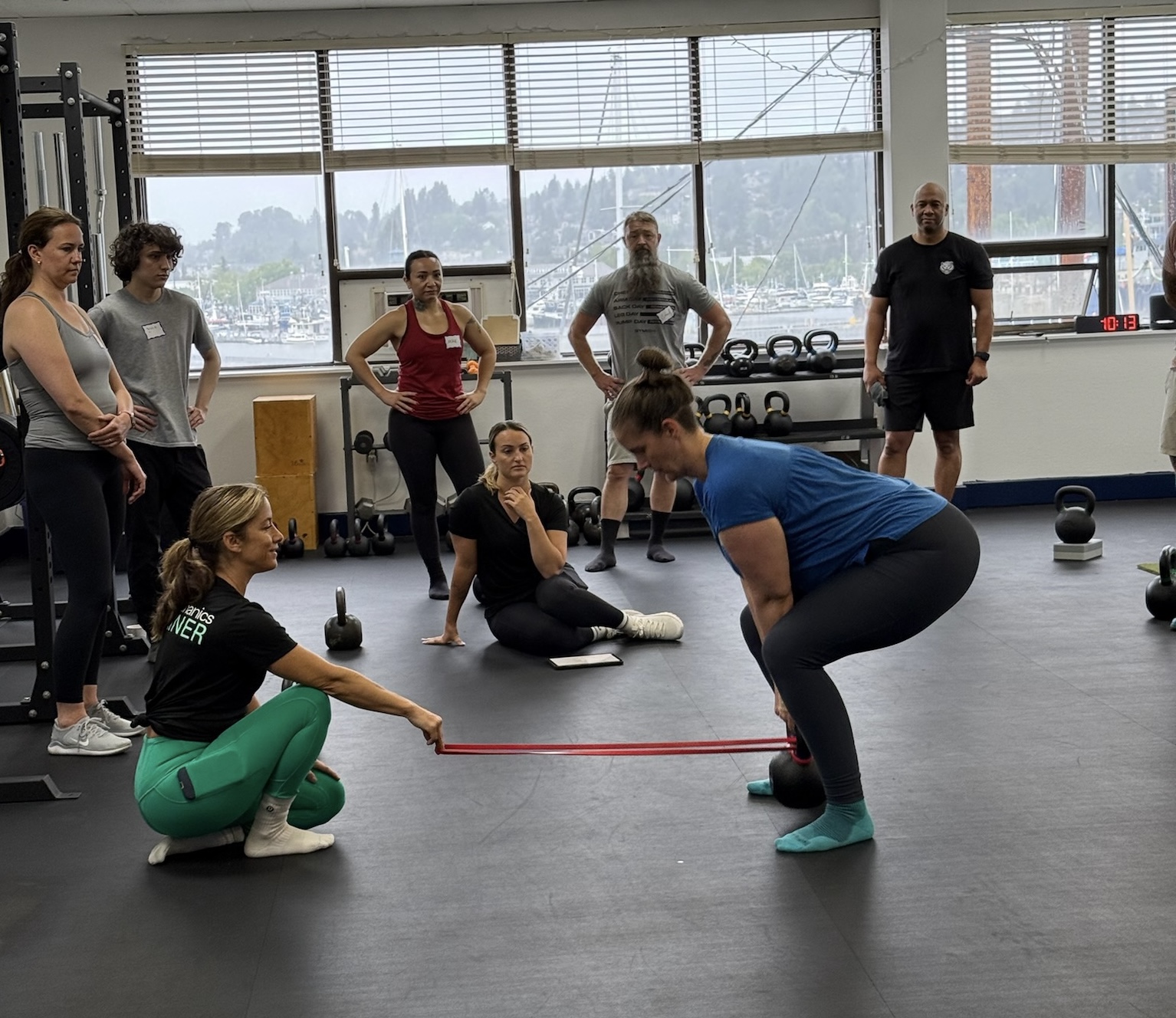
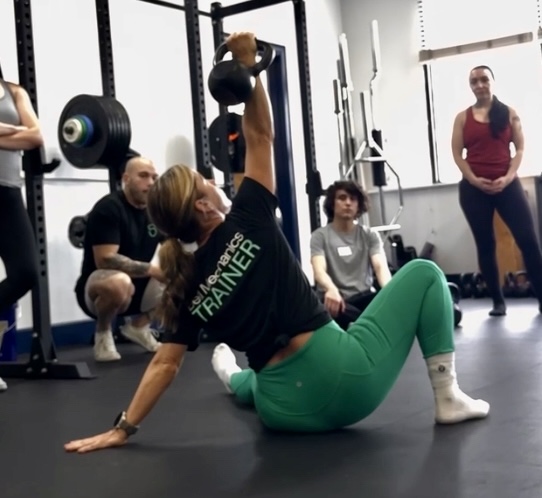
We use kettlebells extensively because they allow us to train strength, cardiovascular capacity, and movement skill together. That efficiency supports bone density and muscle tissue while reinforcing thoughtful movement. The goal is not just to be strong in the gym, but to stay capable and engaged in life for as long as possible.
What I am most proud of is the environment we’ve built. Resolve is a place where people can show up as they are, work with intention, and leave with a clearer sense of what they are building toward. The work is steady. We aim to do a little better than we did the day before and keep moving forward!
Risk taking is a topic that people have widely differing views on – we’d love to hear your thoughts.
My relationship with risk has always been less about taking chances and more about deciding when it’s worth betting on myself.
The first real risk I took was sobriety. At the time, it didn’t feel brave. It felt like a last option. I was at the end of my rope and genuinely believed I had very little left to offer. The risk was not giving up alcohol. The risk was believing that something in me was still salvageable.
I had to trust a very small mustard seed of faith that I could change and reclaim a life that was no longer controlled by alcohol, fear, or shame. There were no guarantees. Just a decision to try. I am deeply grateful I took that risk, because it made every other risk that followed possible.
Changing careers later in life came from that same place. I had spent years working in customer support and client services, so moving into personal training was not a complete departure, but starting down that path close to forty brought up a lot of doubt. I remember thinking, who would listen to me? Imposter syndrome was real. Staying connected to my why and trusting that my ability to work with people mattered helped me move forward.
Opening Resolve Fitness was another leap into the unknown. I had no background in business and no real roadmap. I walked away from the comfort of a steady paycheck twice, once to change careers and again to open a gym. There were a lot of unknowns and moments of fear. At the same time, my business partner and I believed in what we were building. We believed that if we created something thoughtful and honest, people would come. And they did.
I also think about risk very literally. I enjoy jumping off cliffs into water, but I do not do it blindly. I assess the depth and the conditions first. If it feels right, I jump. If it does not, I know it is not for me and I move on.
There is always some blind faith involved when stepping into the unknown. Hosting our first kettlebell workshop at Resolve was a good example. I was terrified no one would sign up and that all the effort would lead nowhere. My mentor, who co led it with me, reminded me that even one person showing up would make it a success. That shifted how I see risk. You get to decide what counts as a win.
That is how I think about risk now. You assess. You plan. Then you commit. You bet on yourself. And if you believe in what you are building and can take real steps toward it, you owe it to yourself to try. Otherwise, you are left wondering what might have been.
Pricing:
- 4 package personal training $400
- Small Group Classes $35
- Semi Private Training $63
- Remote Programming 4 weeks $275
- Hybrid In Person and Remote: 2x In Person Session with 4 weeks Remote Programming: $1050
Contact Info:
- Website: https://www.resolvefitnessballard.com
- Instagram: @resolvefitnessballard, @griz206
- Youtube: @sarawelch-resolvefitness