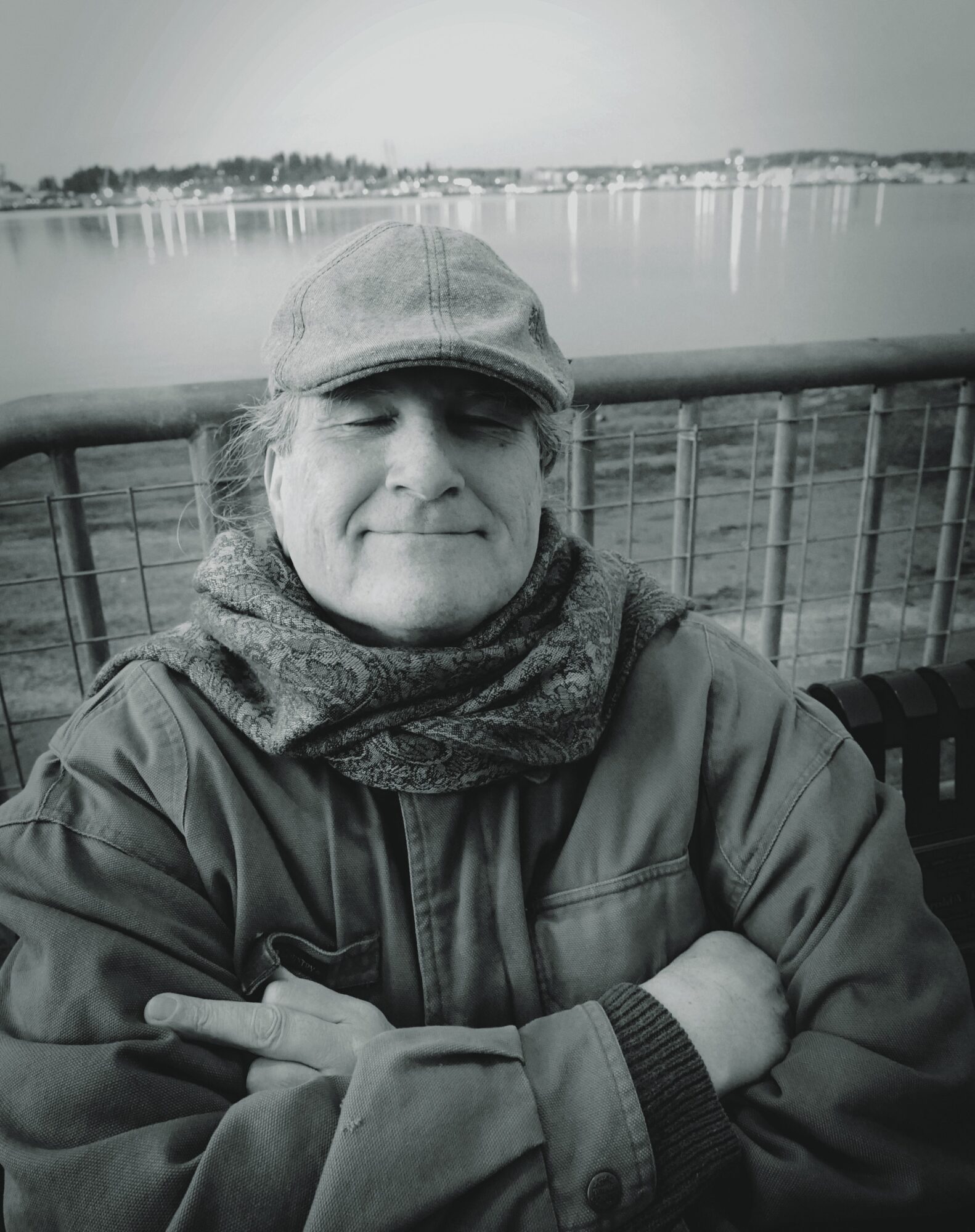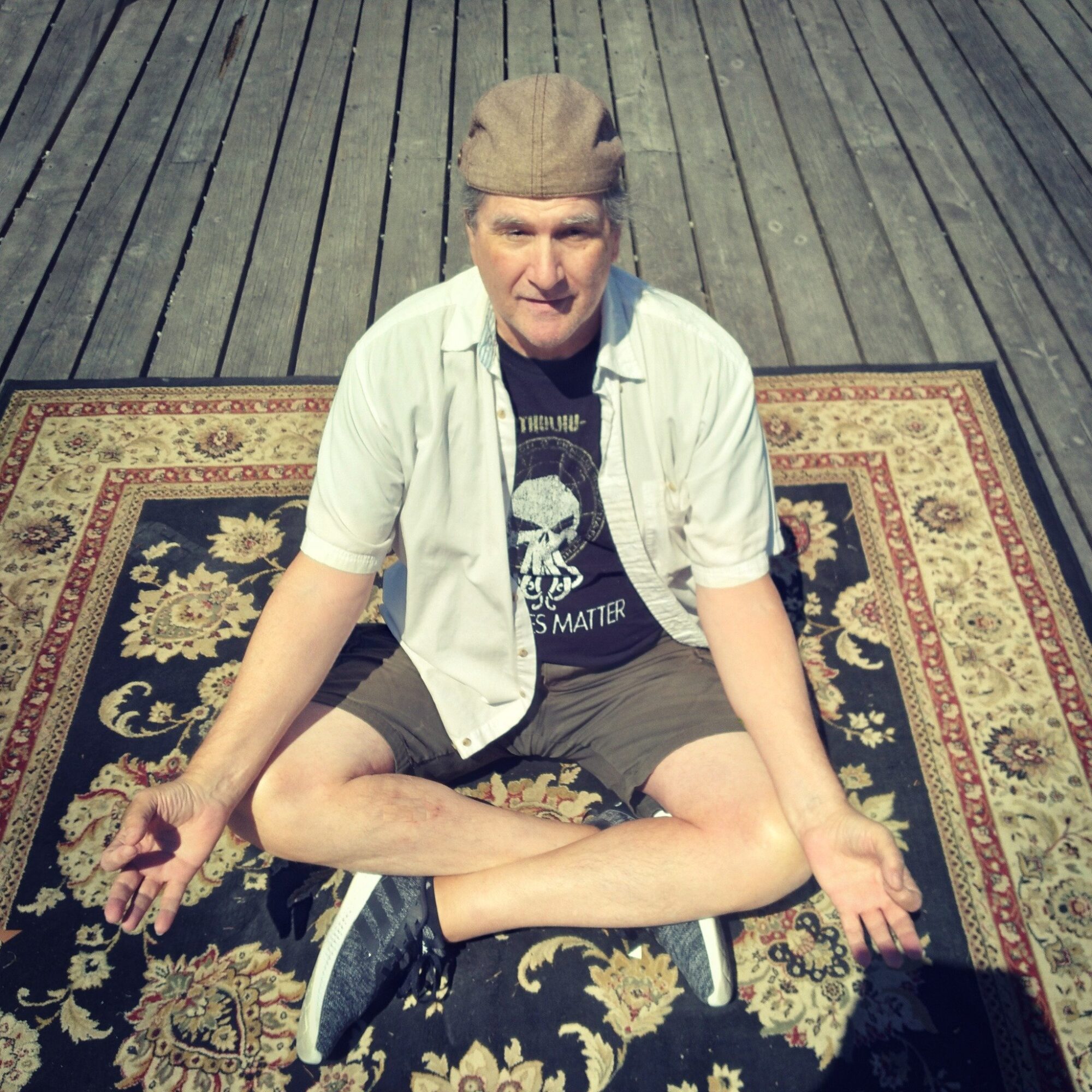





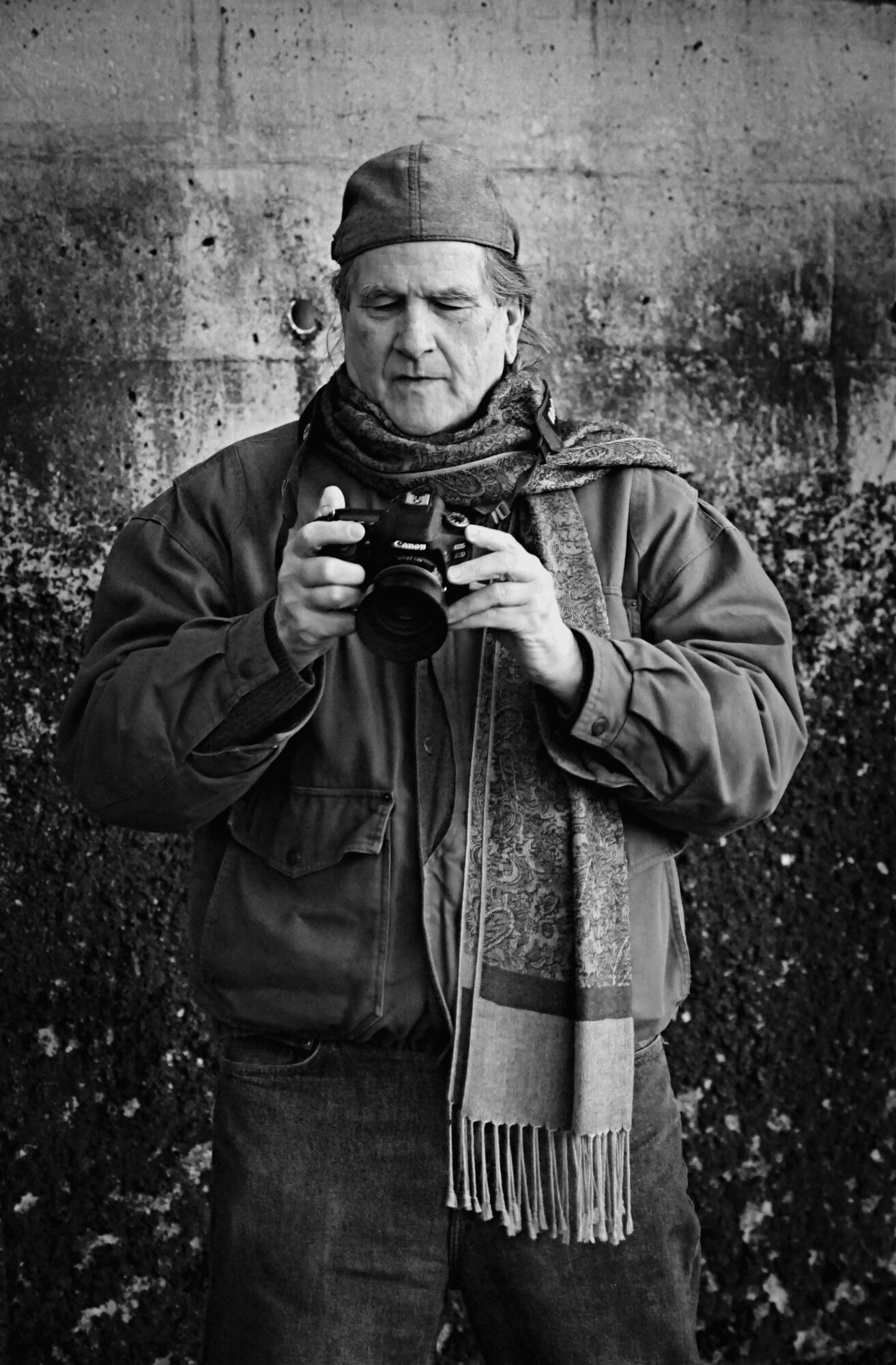
Today we’d like to introduce you to JZ Murdock.
Hi JZ, can you start by introducing yourself? We’d love to learn more about how you got to where you are today?
I am, in the end, a storyteller.
My path has been long and nontraditional, so I’ll share the parts that most shaped how I work today. I grew up loving film, largely through watching PBS, long before my first college cinema class. At the same time, I also grew up at a drive-in theater. Our dad worked a second job as an assistant manager there, and throughout the 1960s mom brought our family every Friday night, to watch whatever was playing. We each had our first job at that drive-in, while in high school. I got tot know the projectionist and learn about how he did his job. I was fascinated by ever aspect of “film”.
So, film was not an abstraction for me. It was simply a part of life.
As a kid, I did not realize I was watching films on PBS by directors like François Truffaut himself, or the filmmakers he championed as auteurs. I only knew that I loved what I was seeing. “500 Blows”? Come on…
As I began reading books, before I got so into film, I eventually watched talks on cinema and filmmaking, I was struck by how familiar so much of it felt. I eventually understood that I had been intuitively absorbing the language of film from a very young age. While I did not actually shoot home movies, as Stephen Spielberg and others had as kids (we didn’t have the money for that), I ran the home movie projector for nights when we watched our old home movies. In high school, I was an AV student running films for teachers who showed them to their classes.
I was a massive reader as a child. In junior high, I was enrolled in a speed-reading program through Evelyn Wood Reading Dynamics who ran a test class to see if they could teach it to 8th graders in a schoolroom setting.
I entered testing at roughly 260 words per minute with 60% comprehension. I was surprised by that. Three months later, they tested us all again and I tested at approximately 10,000 words per minute with 80% comprehension. Reading became both a skill and a pleasure, and my love of books, especially science fiction and horror, grew alongside my love of film. At that rate of speed, when you read a novel in less than an hour, it was like watching a movie in your mind.
My mother introduced me to horror very early on. I was about four years old when I woke up one night around midnight and she let me crawl into bed with her. She was watching a late-night horror program that happened to be showing a vampire film. She assumed I would fall back asleep. I did not. I remember being completely absorbed by what I was seeing.
I was fascinated rather than frightened. Mom loved vampire films, and we found a shared enthusiasm there. As a family, we also loved filmmakers like Hitchcock and Kubrick, along with classic Golden Age horror and science fiction films and the books that inspired them. Story, atmosphere, and psychological tension became central to how I understood narrative from a very early age.
Looking back, I can see how those films felt familiar in ways I could not articulate at the time. They captured emotional undercurrents, unease, and unspoken tensions that felt recognizable. That early exposure helped shape my attraction to stories that explore mood, psychology, and the inner lives of people under pressure. The old British Hammer horror films, Edgar Allan Poe, and the classic horror canon fascinated me, as they did many at the time, and deepened my attraction to atmosphere, tension, and psychological storytelling.
After college, I spent years submitting short stories during a fully pre-digital era. It was a time of hard copies, yellow manila envelopes, and the constant overhead of stamps. The system was slow, physical, and expensive. I remember the burden of the Writer’s Market…those thick, costly volumes that were essential for access but needed to be replaced every year just to keep up with the shifting gatekeepers. It was a grueling, manual way to build a career, but eventually making that first sale confirmed that persistence was the only way through.
My academic background shaped my work in lasting ways. I earned a university degree in psychology with a concentration in phenomenology, and that focus on perception and lived experience became central to my writing in speculative fiction, horror, and science fiction. I think it won me a book award.
Influenced by Isaac Asimov’s advice that aspiring science fiction writers should become technical writers…I spent years working as a senior technical writer on high-level IT teams in the Pacific Northwest. That rather harsh experience sharpened my ability to communicate complex ideas clearly, often under pressure, and directly informed both my nonfiction and my fiction. Isaac was right.
Filmmaking came much later, almost out of necessity. I had written short scripts in university classes after being selected for an advanced team scriptwriting program following an introductory playwriting course. There were eight of us in that class. I learned a lot from those theater students who put up with my more dry, pscyh department orientation. But we had a blast together.
After graduation I took one final summer quarter of classes to write a screenplay. I didn’t want to leave the university without having written a full screenplay. In the years following that, in spite of believing in the work, I could not break through traditional industry barriers.
Perhaps I should have moved to Hollywood? Either way, eventually, the conclusion became unavoidable. If you cannot get into the system, you make your own. So some years ago, I began filming my own written material, learning production from the ground up by throwing myself into the fray, and translating my stories from the page to the screen.
Over time, that self-directed path has proven its value. My independent films have earned over a hundred international awards, including Pvt. Ravel’s Bolero with so far, 82 and has been seen around the world at film festivals including Russia, France, even in Ukraine. Recently, while discussing documentary structure with a director friend, I mentioned that in Bolero I had deliberately discarded conventional documentary making rules. He laughed and said it had worked because I built my own tempo for the project, created my own style of a documentary.
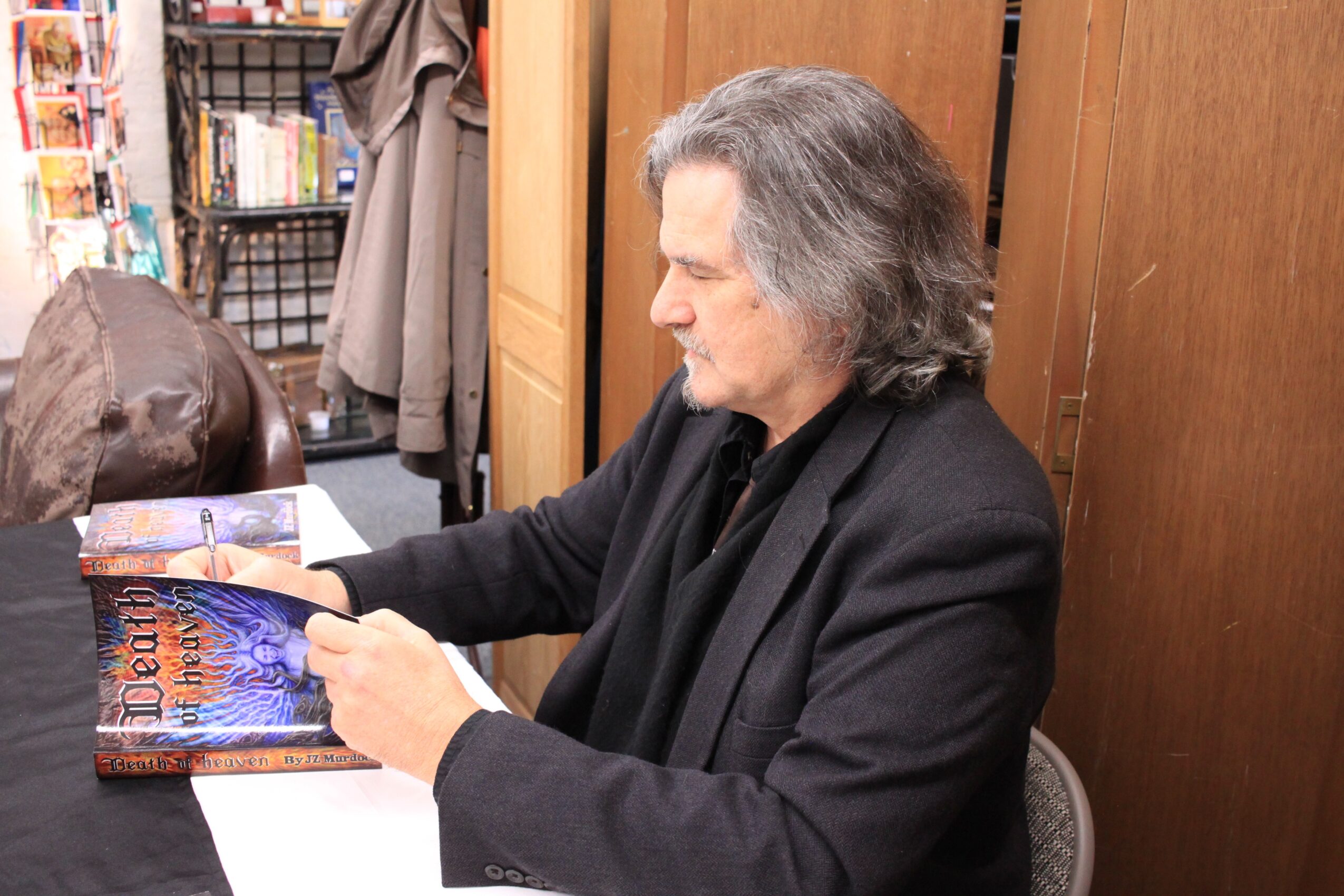
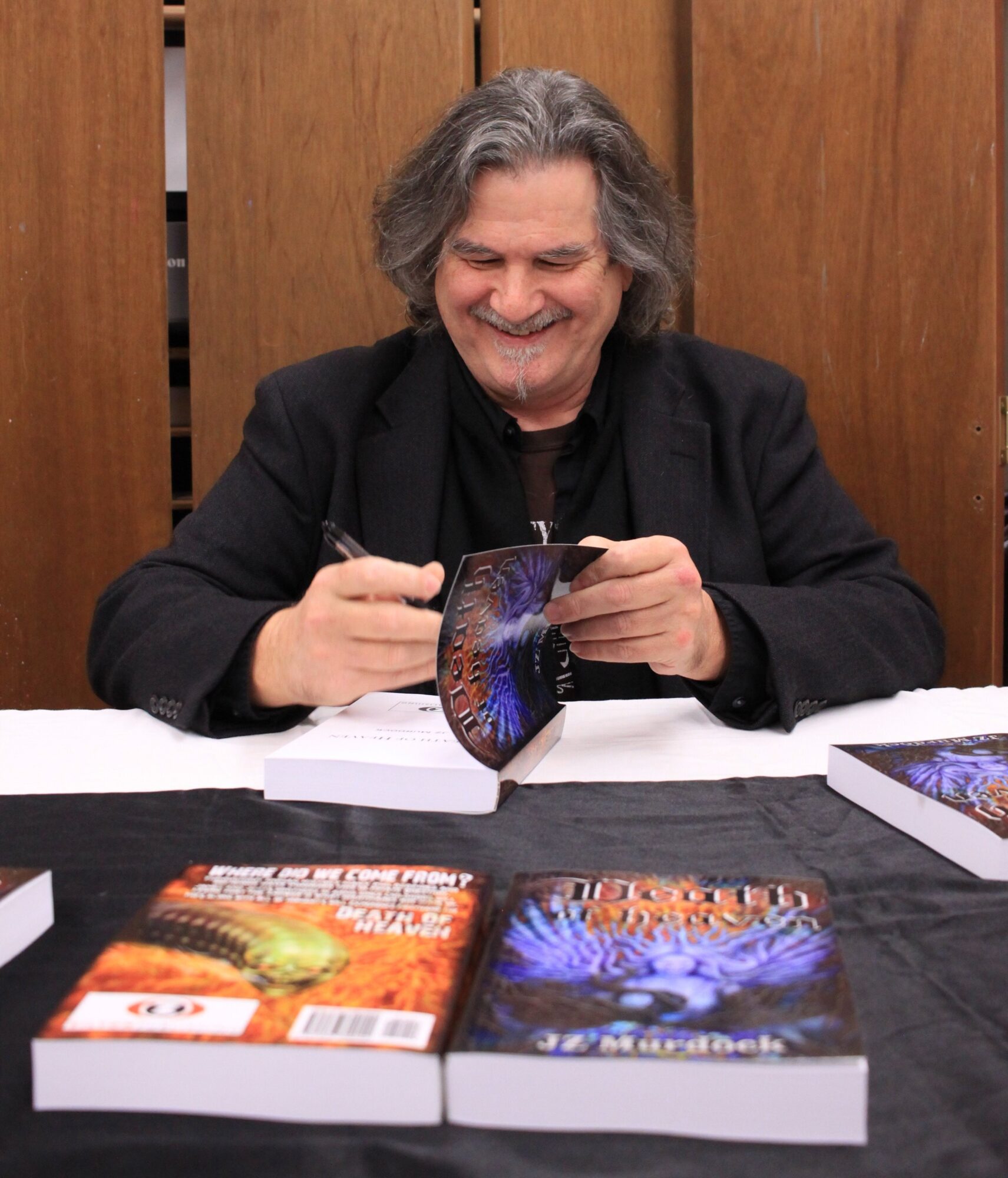
Then, my novel Death of Heaven was honored with the New York City Big Book Award for Horror.
Today, I continue working across writing and filmmaking, driven by craft, curiosity, and human complexity, and by a nature and a desire to connect with audiences outside traditional gatekeeping structures.
If you want to do something badly enough, you find a way. You will find a way.
We all face challenges, but looking back would you describe it as a relatively smooth road?
It has not been a smooth road. Much of my creative life has involved working without access, without institutional backing, and often without clear signals that the work would ever find its audience. For years, the struggle was simply getting through the door. Submitting work in the pre-digital era was slow and costly. Looking back, the slight, yet actual cost burden of those manuscript envelopes and the pricey annual volumes of the Writer’s Market perfectly mirrored the psychological weight of the era. Rejection wasn’t just an email you could delete; it was a tiny rejection slip of paper returning to your mailbox (if you were lucky enough to receive one at all…I’ve saved them all), a constant reminder of the friction between my vision and the industry’s gatekeeping. That friction is exactly what eventually forced me to build my own path.
Submitting work in the pre-digital era was slow and costly, and rejection was the default response. Even when progress was made, it often came in isolation, without momentum carrying forward to the next opportunity.
Another challenge was navigating creative life while needing to make a living. I spent many years in technical writing and other professional roles, which sharpened valuable skills but also meant creative work happened around full-time responsibilities. That balance required endurance and discipline, especially during long stretches when the creative output felt invisible.
Breaking into filmmaking presented its own obstacles. Access to funding, equipment, and distribution was limited, and traditional industry pathways were often closed. That forced me to learn every aspect of production myself, which was both exhausting and empowering. But that’s the price of independence, in any field. Mistakes were made publicly, lessons were learned the hard way, and progress came incrementally rather than through any single breakthrough.
There were also many moments of near-success that never quite materialized. Over the years, I have heard numerous talented actors and filmmakers say that beyond effort and skill, luck plays a role. One well-known director put it more precisely by saying it is not just about luck, but about putting yourself in a position where luck has the opportunity to happen.
That idea resonated with my own experience. Projects came close to production, promising conversations stalled, and opportunities dissolved without explanation. My screenplay The Teenage Bodyguard was nearly made three separate times, each with a different director, all within the span of a single month. In each case, the alignment was not right for the project, and I chose to wait rather than compromise the work.
Over time, I learned not to interpret those moments as failure, but as part of a longer creative arc. They were reminders that timing, alignment, and patience matter as much as persistence, and that staying true to the work often means accepting delays rather than forcing outcomes.
What sustains me is a commitment to the work itself. Persistence, adaptability, and a willingness to build alternatives when doors stayed shut made it possible to keep moving forward. In hindsight, the lack of a smooth road shaped the independence and clarity of voice that define my work today.
Alright, so let’s switch gears a bit and talk business. What should we know about your work?
I work as a writer and filmmaker, primarily in speculative fiction, horror, science fiction, and documentary, with occasional nonfiction work, including essays and blogs. Across both writing and film, the focus is on psychological depth, atmosphere, and human complexity. Spectacle matters less than how people perceive the world, respond under pressure, and navigate moral and emotional uncertainty.
My work is perhaps best known for Pvt. Ravel’s Bolero, a nonfiction filmic poem and experimental anti-war documentary that deliberately departs from traditional documentary structure and has received over eighty international awards. There’s also pride in Death of Heaven, a novel that received an international horror award and represents years of sustained work in speculative fiction.
What sets this path apart is that it has been largely self-built. Without consistent access to traditional industry pathways, projects were developed independently, allowing form to serve the material rather than the other way around. The greatest satisfaction comes from longevity itself, continuing to make thoughtful, human stories and finding ways for them to reach an audience.
I am, in the end, a storyteller.
Alright, so to wrap up, is there anything else you’d like to share with us?
Nothing major comes to mind. I’m thankful for the opportunity to pause and reflect on a long creative path, and for readers who value stories that take time to unfold.
Contact Info:
- Website: https://jzmurdock.com/
- Instagram: https://www.instagram.com/jzmurdock/
- Facebook: https://www.facebook.com/OfficialJZMurdock/
- LinkedIn: https://www.linkedin.com/in/jz-murdock-5b692933/
- Twitter: https://x.com/JZ_Murdock
- Youtube: https://www.youtube.com/user/TheJZMurdock
- Other: https://tr.ee/K1HHMl9se-