




Today we’d like to introduce you to Ayumi Yoshida.
Hi Ayumi, please kick things off for us with an introduction to yourself and your story.
I never imagined that I would become a business owner in the United States.
I grew up in Osaka, Japan, and studied education and Japanese language arts at Wakayama University. After graduating, I became an elementary school teacher for Osaka City, where I taught for seven years. That experience—especially my work in Japanese language arts education—still influences the way I teach and create programs today.
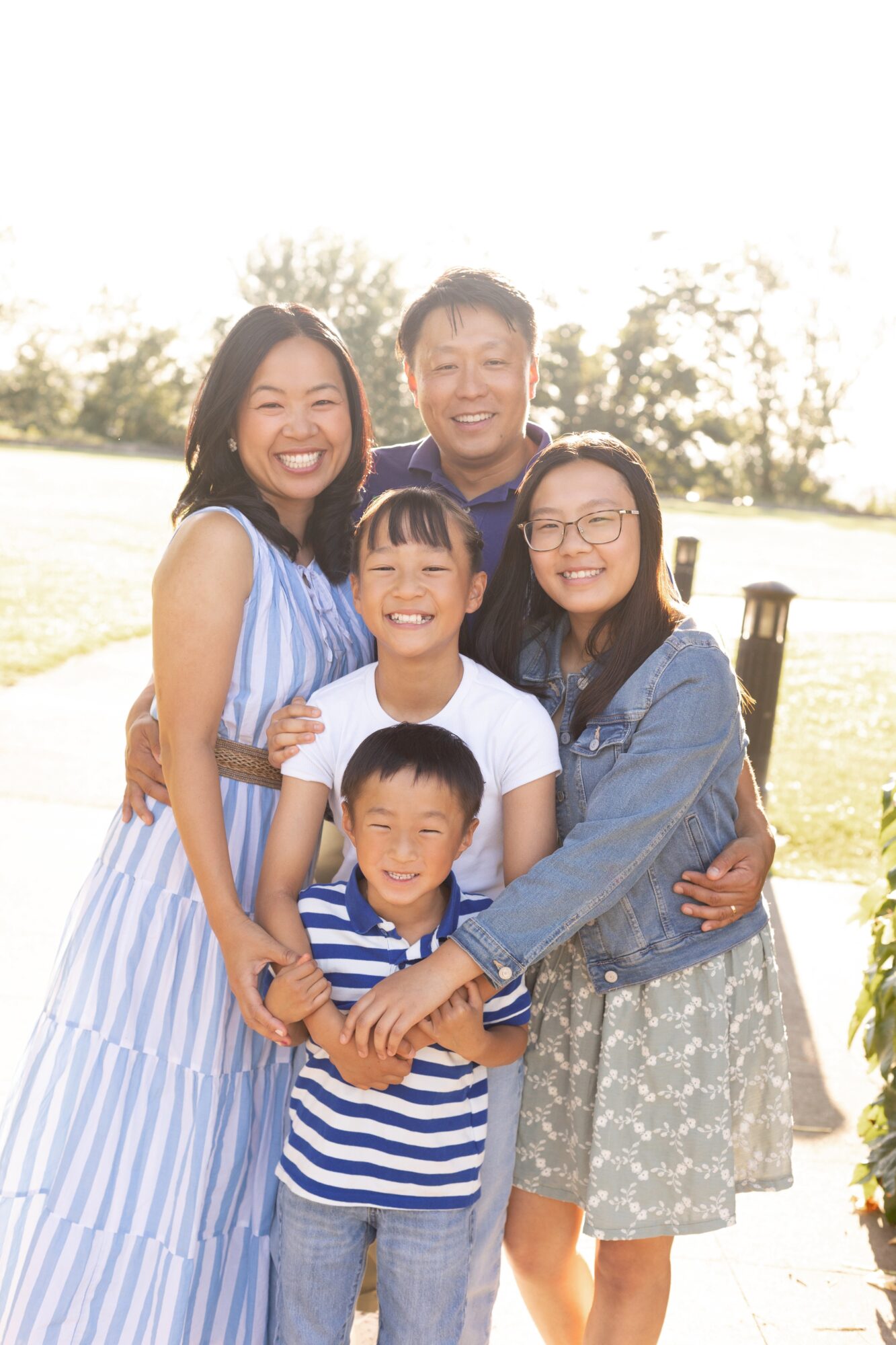
Then my life changed. I got married, became a mother, and eventually moved from Osaka to the United States with my family. I left behind a career I had worked hard to build, and my English was not strong. For a while, my life was mostly about raising my children, driving them everywhere, making meals, and keeping our family going. Family has always been my priority, but there were times when I wondered what had happened to the teacher and independent person I had once been.
Little by little, I started teaching again. I began teaching Japanese to children in my community, then expanded into enrichment classes and other programs. As I did, I realized that the experiences I thought I had left behind in Japan were still very much a part of me—my background as a teacher, my love of language and culture, and even my experiences as a mother and an immigrant.
Eventually, I realized I wanted to create more than a Japanese language class. I wanted to create a place where people could gather, learn, share, and connect.
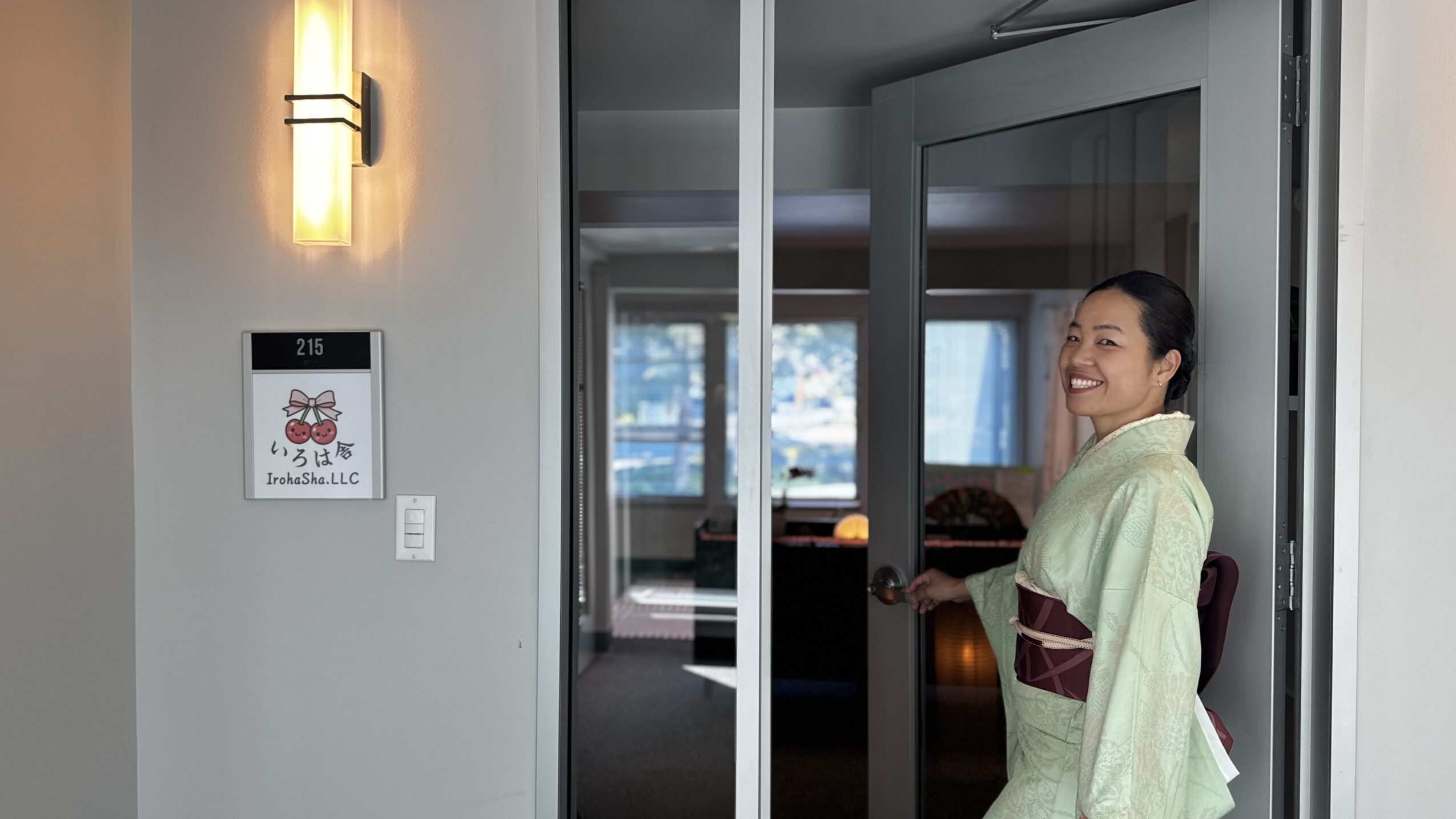
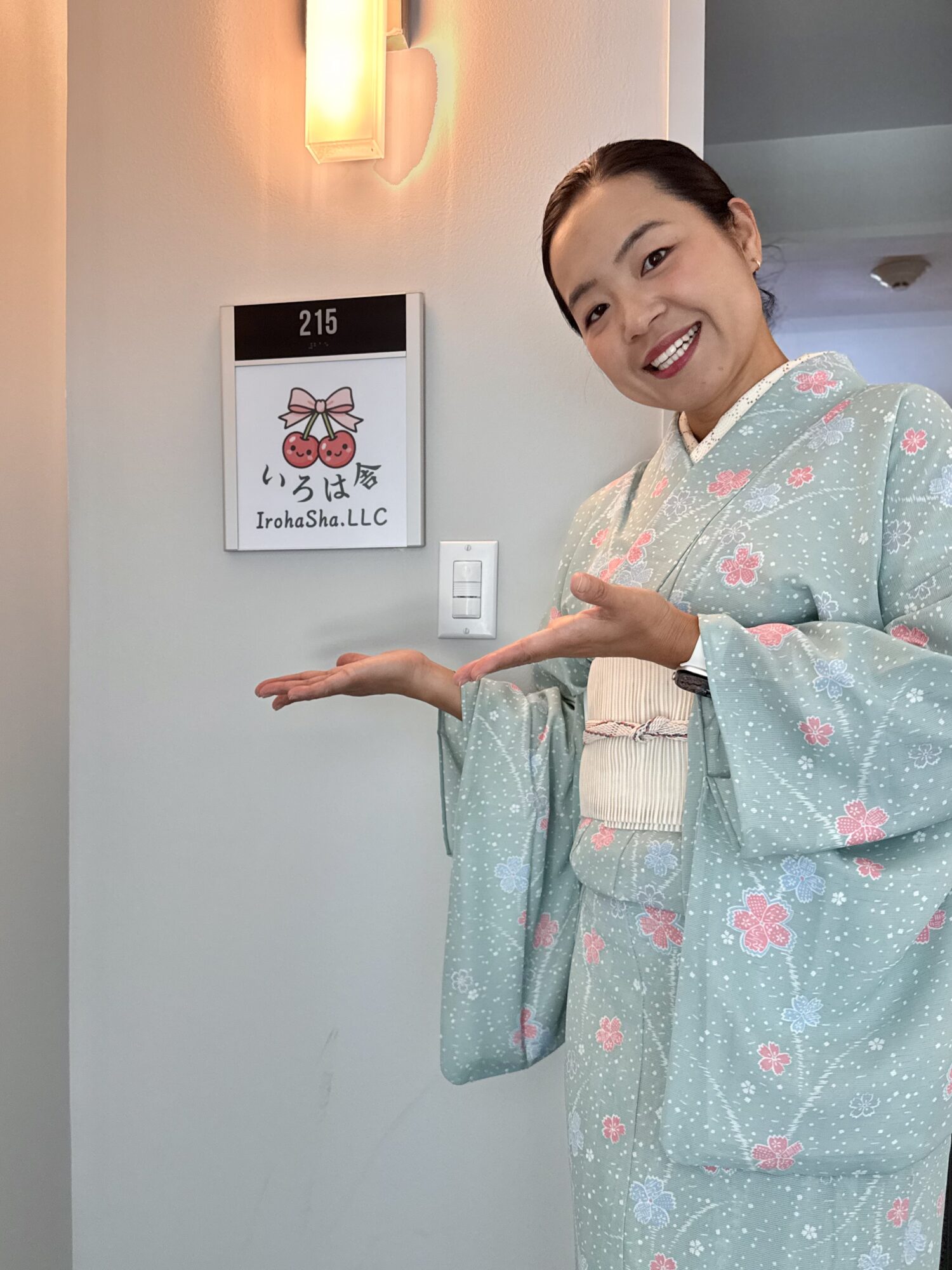
That dream became Iroha Sha, which I founded in Kirkland.
Today, Iroha Sha offers Japanese language and cultural programs for children and adults, but we are still just beginning. I hope to keep learning, collaborating with others, and growing Iroha Sha into a place that many people can be part of—and, more than anything, a place that people love.
Can you talk to us a bit about the challenges and lessons you’ve learned along the way. Looking back would you say it’s been easy or smooth in retrospect?
I didn’t speak much English, but somehow I still made local friends pretty quickly. I have always liked people, and I think my curiosity was stronger than my fear of making mistakes.
During those early years, I learned to appreciate very small victories. Maybe I had a conversation in English that I couldn’t have had the week before. Maybe I drove somewhere new by myself. Maybe I introduced myself to someone even though I wasn’t sure I had the right words.
I would tell myself, “Okay, I did one brave thing today.”
Looking back, I think that way of thinking helped me a lot. I didn’t need to become fluent overnight or have my whole future figured out. I just needed to do one thing today that I couldn’t do yesterday.
I still approach Iroha Sha in a similar way. I am learning how to run a business while raising my family and continuing to teach. There are many things I don’t know yet, but I don’t think I need to know everything before I begin. I can ask someone, learn something new, try it, make a mistake, and try again.
Iroha Sha has only just begun, so I don’t have a big “I overcame all the obstacles” story yet. I’m still living it. But maybe that’s the lesson I’ve carried with me from those first years in Kirkland: one small brave thing at a time.
Alright, so let’s switch gears a bit and talk business. What should we know?
Iroha Sha is a small Japanese language and cultural learning space in Kirkland, Washington. But I hope it becomes much more than simply a place to take a class.
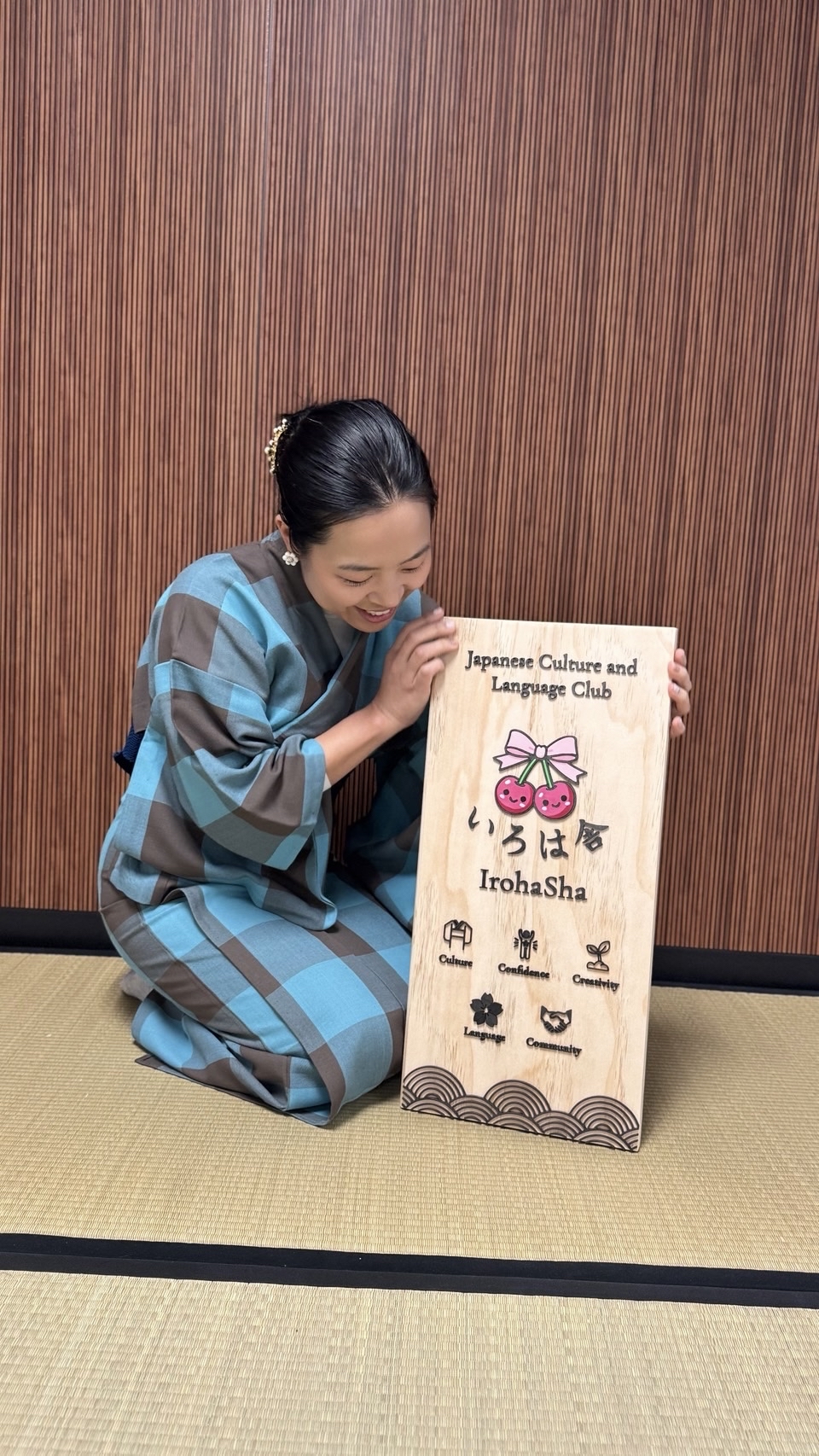
The name itself describes what I am trying to create. Iroha (いろは) represents the beginning or basics—something like the “ABC’s” in English. Sha (舎) means a place or dwelling, and I chose the character with the image of a traditional Japanese terakoya in mind: a community learning space where people gathered and learned together.
That idea of gathering, learning, sharing, and connecting is at the heart of Iroha Sha.
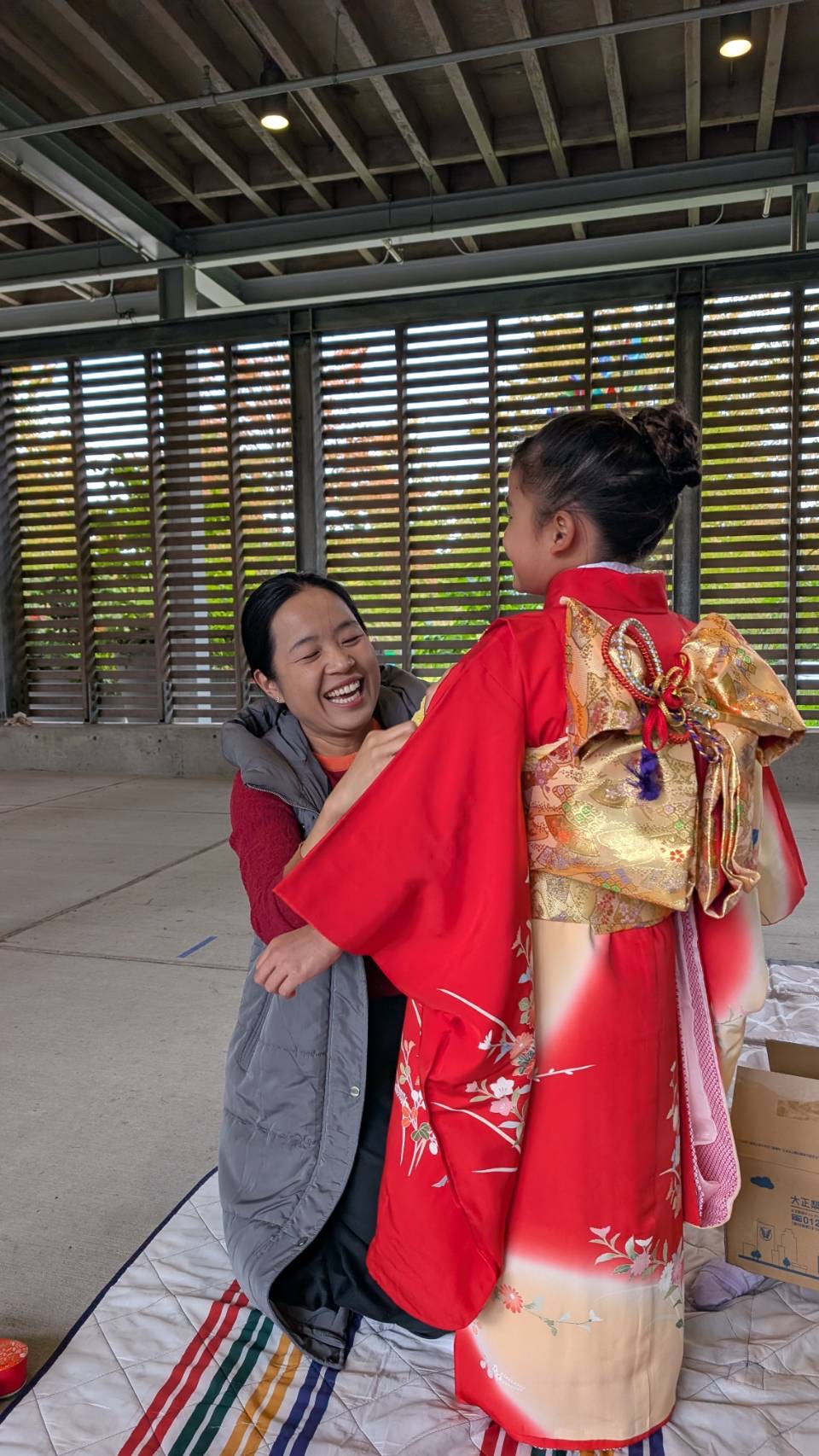
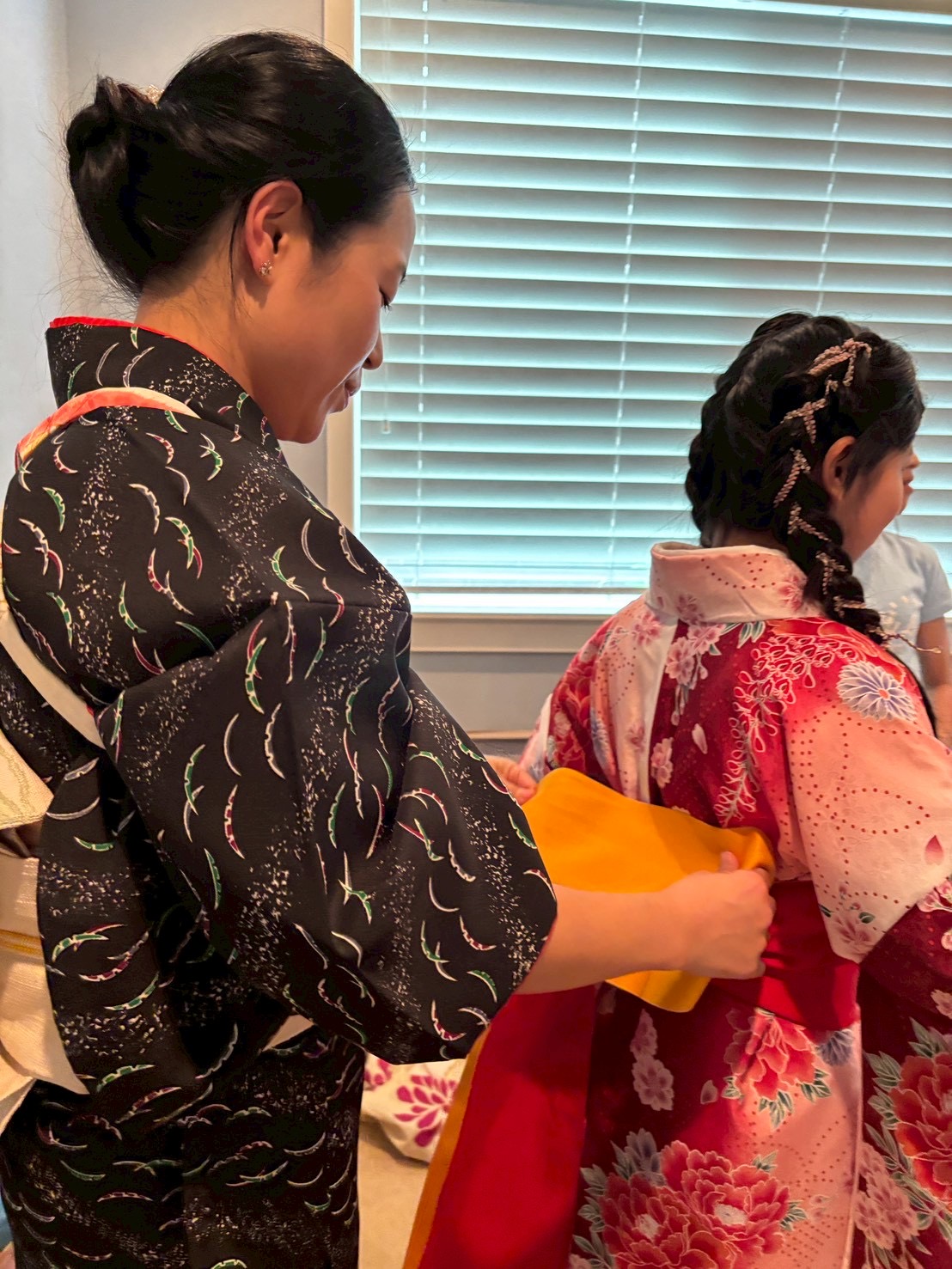
Right now, our three main programs are Blooming Japanese, an introductory Japanese language program for children; Kimono Club, where people can learn to dress themselves and enjoy kimono more casually; and Japan Ready Camp, a program for adults preparing to travel to Japan.
Japan Ready Camp is something I am especially excited about right now. It isn’t a traditional travel-planning class—I won’t tell you which hotel to book or give you a list of tourist attractions. Instead, I want people to understand Japan a little better before they arrive. We explore basic Japanese language and communication, culture, etiquette, and some of the unwritten customs of everyday life that may not be obvious to a visitor.
My hope is that when participants arrive in Japan, they feel more comfortable and confident, but also more curious. Rather than simply moving from one tourist destination to another, I hope they notice more, understand more, and find more opportunities to connect with the people and culture around them.
But these three programs are only the beginning of what I hope Iroha Sha can become. I have ideas for Japanese art and craft workshops, flower arrangement, story time for young children, after-school gatherings, and Japanese language and culture enrichment programs. I also hope many of those ideas will come from people other than me.
I don’t see myself as someone who represents all of Japan. Japan is far too diverse for one person to do that. I want to collaborate with artists, educators, craftspeople, small business owners, and people with different experiences and expertise. I want to keep learning too.
I opened the door, but I hope many people will help shape what Iroha Sha becomes.
More than anything, I want Iroha Sha to become a place that people love—a place where they feel welcome, want to come back, bring a friend, learn something new, share something of their own, and feel that they are part of it.
Before we go, is there anything else you can share with us?
One thing I would love readers to know is that the Japanese culture I share through Iroha Sha is very personal to me. It isn’t something I discovered because I started a business. It has been quietly woven through my life for as long as I can remember.
I started practicing Japanese tea ceremony when I was in eighth grade and continued for many years, even while raising my children. Before moving to the United States, I received my tea name through the Urasenke tradition. But what I loved most was never the title or even mastering the formal steps. I loved the tatami room, the quiet atmosphere, the seasonal sweets, the smell of tea, my teacher’s warmth, and the ordinary conversations among the people gathered there.
There is a concept in tea ceremony called ichigo ichie—treasuring each encounter because this particular moment with these particular people will never happen in exactly the same way again. I think that idea has stayed with me.
Kimono is personal to me in a different way. My grandmother sewed kimono and also did handwork for traditional Japanese crafts. As a child, I loved watching her hands work with beautiful fabrics and colors. She made kimono for me too, and I still have them. During the pandemic, I finally spent time practicing until I could dress myself in kimono. When I put one on, I naturally stand a little taller. It makes me feel connected to my grandmother, my culture, and my Japanese roots.
I don’t want these traditions to feel distant, intimidating, or something we only admire behind glass. I want to enjoy them, continue learning about them, and share them in ways that feel welcoming and alive.
Maybe that is also what I hope for Iroha Sha. A place doesn’t become meaningful because of its name, its programs, or even the things inside it. It becomes meaningful because of the people who gather there and the moments they share.
I hope that years from now, Iroha Sha will be filled with many of those little moments—and that people will feel, “I love this place.”
Contact Info:
- Website: https://www.iroha-kirkland.com/
- Instagram: iroha-kirkland
- Facebook: https://www.facebook.com/profile.php?id=61586983737308
- Other: https://www.iroha-kirkland.com/programs-workshops