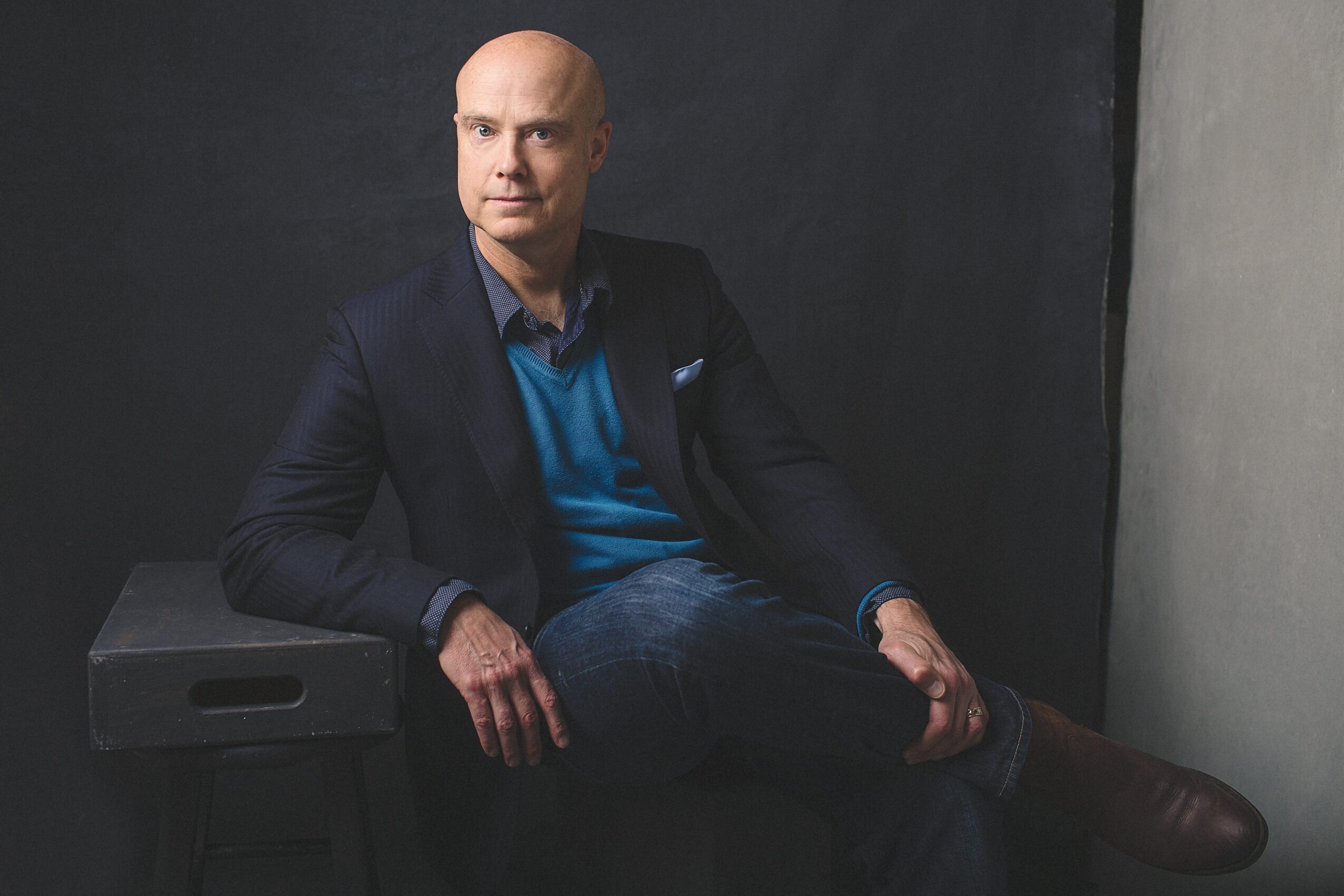





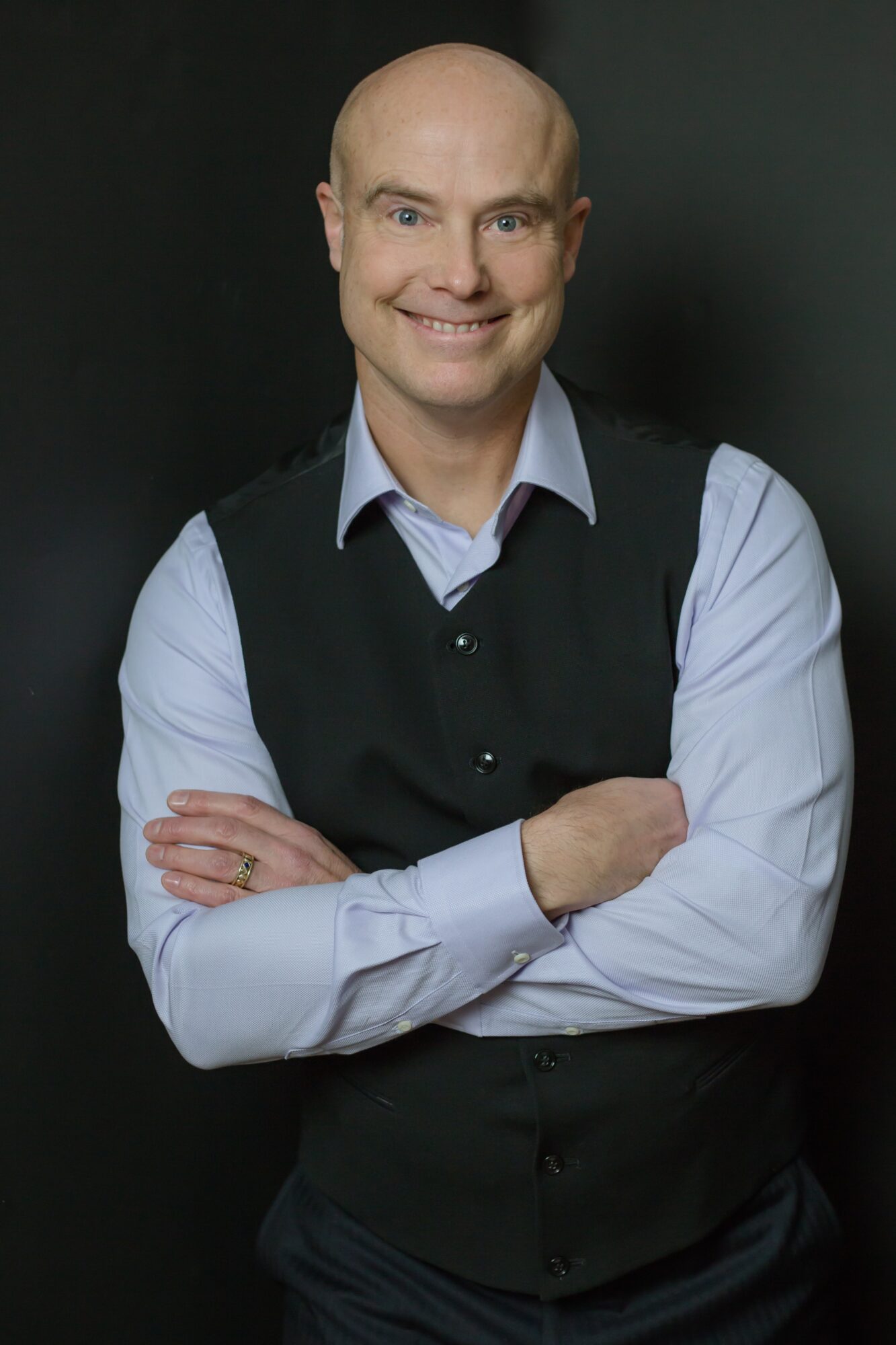
Today we’d like to introduce you to Ben Morley.
Ben, we appreciate you taking the time to share your story with us today. Where does your story begin?
I grew up in Friday Harbor on San Juan Island, a small, tight-knit community in the Pacific Northwest that shaped me in ways I’m still discovering. It’s a place that builds self-reliance and a deep appreciation for community, and I carry both of those things with me everywhere I go.
My path out of Friday Harbor led me to the United States Air Force Academy, where I was recruited to play football. That experience — the discipline, the team dynamics, the standard of excellence expected of every cadet — reinforced everything my upbringing had started building. The Academy took leadership seriously, not as a title, but as a practice. That formation set the trajectory for everything that followed.
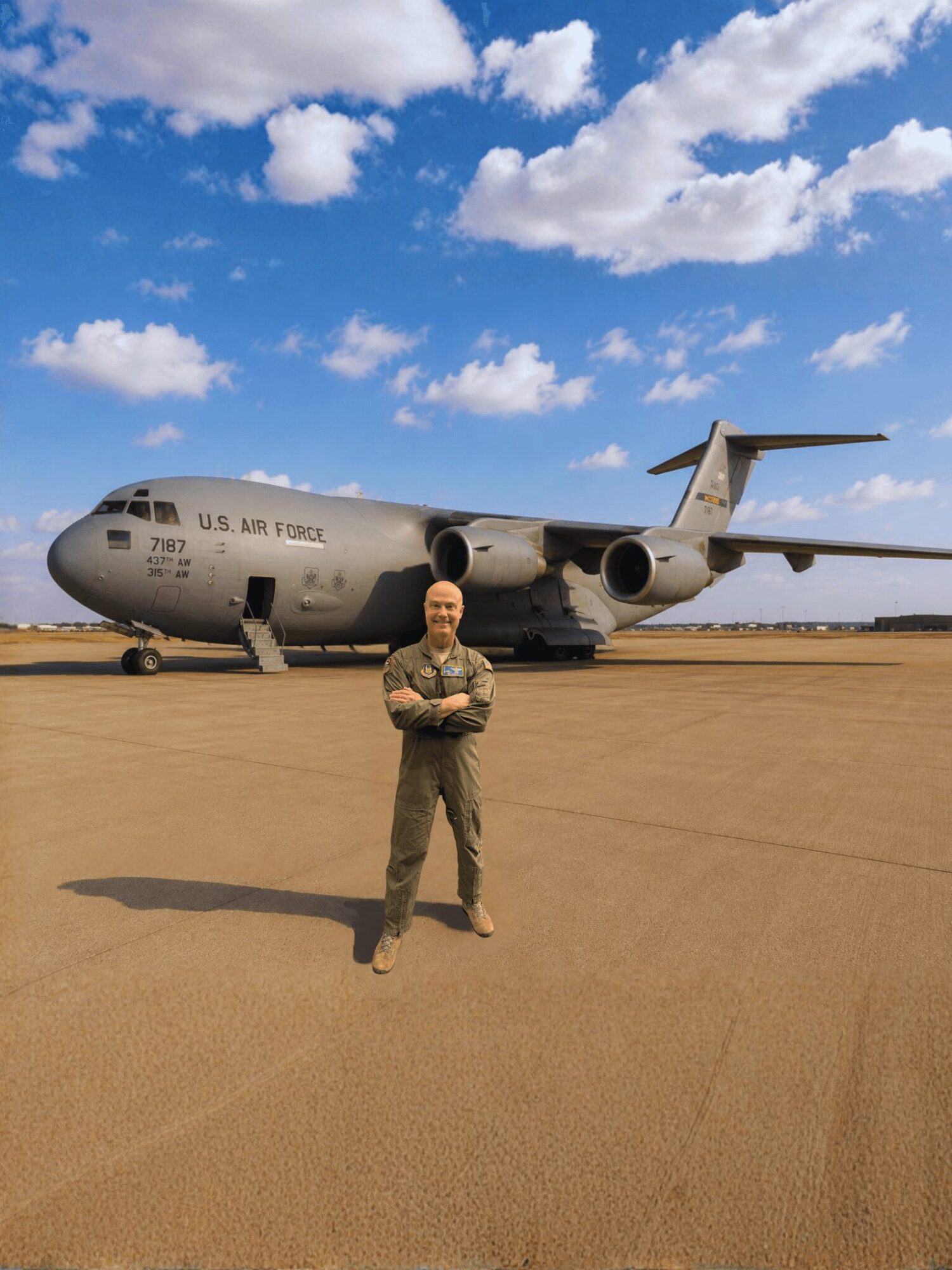
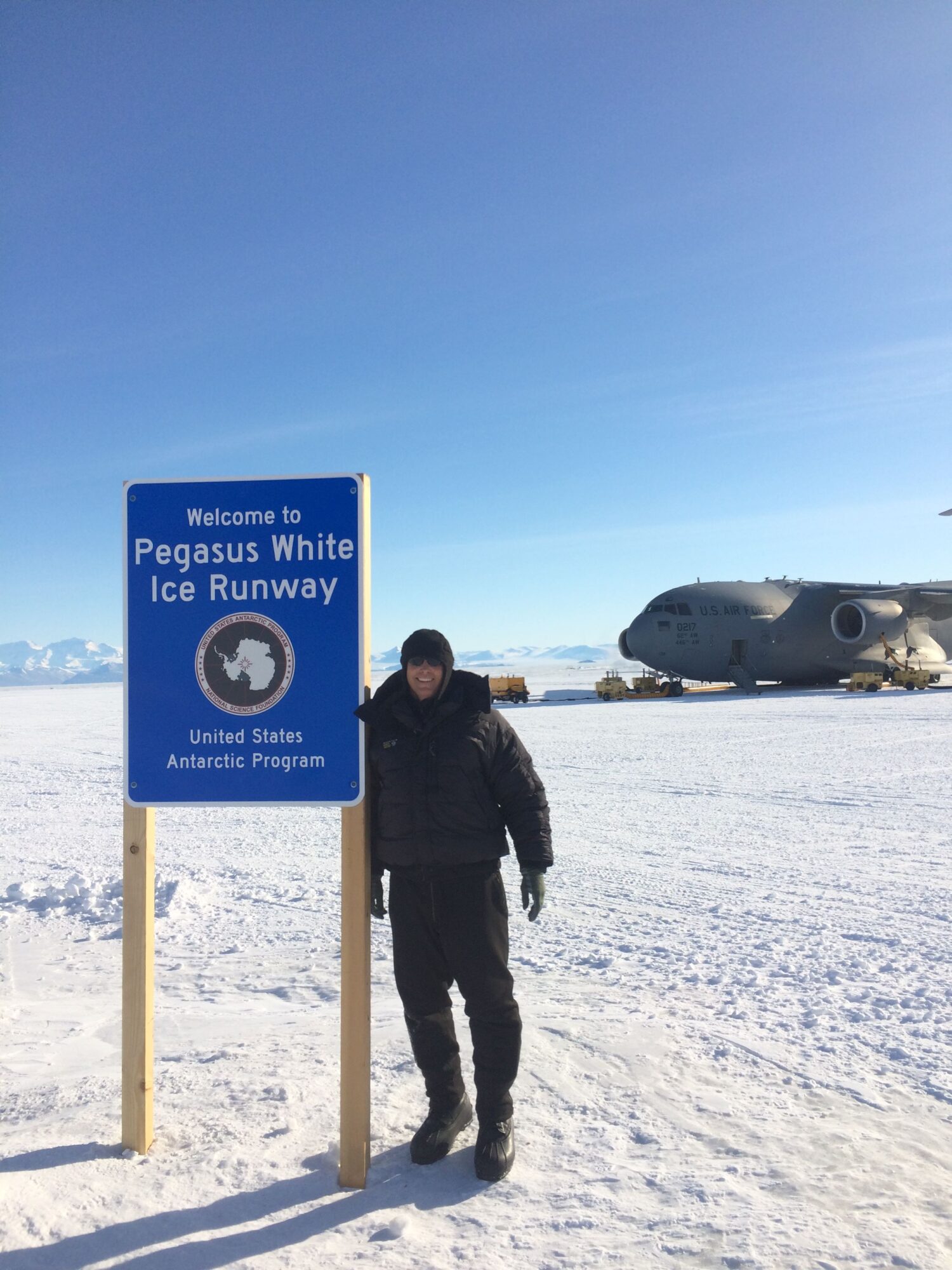
I went on to serve 27 years as a military aviator, flying the C-141 Starlifter and later the C-17 Globemaster III. Those aircraft carried everything from humanitarian aid to combat troops, and over the course of my career I flew to all seven continents. Those missions took me to some of the most remote and demanding corners of the world, and every one of them reinforced what I was learning about leadership: that it is forged in real conditions, under real pressure, with real consequences. Leading the people who flew and maintained those aircraft taught me things no classroom could. I led at every level, from small crews to large squadrons, and each assignment added a new layer to my understanding of what it means to bring out the best in people.
When I retired as a Lieutenant Colonel, I faced the question every long-serving military officer eventually confronts: Who am I outside of this uniform? That transition is harder than most people expect. The structure, the identity, the mission clarity — it all disappears at once. But it also creates a remarkable opportunity for reinvention, and I leaned into it.
I founded Vector Partners, an executive coaching practice built on the leadership principles I had lived for nearly three decades. I also joined Nokomis Advisory Services as a sell-side M&A intermediary, helping small and mid-sized business owners navigate one of the most significant transitions of their professional lives: selling a company they’ve often spent a lifetime building. And I built a continuous improvement consulting practice rooted in Lean Six Sigma and Training Within Industry (TWI). It is work I have delivered nationally to Fortune 500 companies, and which I now provide primarily through Impact Washington, serving manufacturers and small businesses throughout the state with a focus on operational excellence.
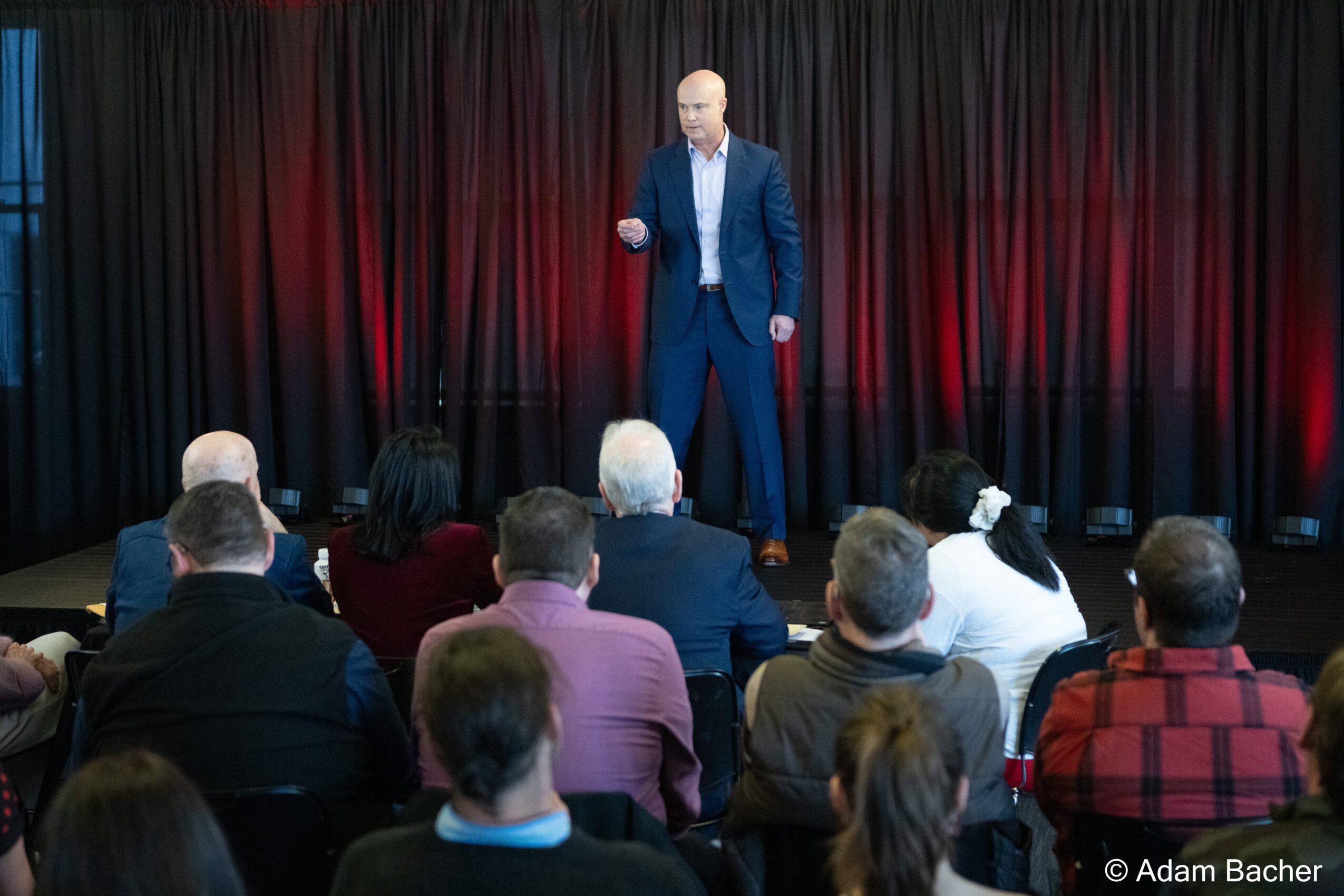
Professional speaking has also become an important part of my work. I am an active member of the National Speakers Association, Pacific Northwest Chapter, where I am developing my craft alongside some of the region’s most accomplished speakers and pursuing my Certified Speaking Professional designation. Leadership transformation is a message I believe needs to be heard from stages, not just bookshelves, and NSA has been an invaluable community for growing that part of my practice.
Woven through all of it was a growing conviction: the most powerful force in any organization is a leader who has done the hard inner work of transformation. Not just skill-building, but genuine identity-level change, the kind that happens when pressure, uncertainty, and responsibility collide.
That conviction became a book.
“Caterpillar Soup at 30,000 Feet: The Leader’s Guide to Mastering Your Greatest Transformation” launches in May 2026. The title comes from a biological fact that impacted me when I first encountered it: inside a chrysalis, a caterpillar doesn’t simply grow wings. It completely dissolves — literally becoming soup — before it reorganizes into something entirely new. That process felt like the most honest metaphor I had ever found for what real leadership transformation actually requires. You have to be willing to let go of who you were in order to become who you need to be.
The book draws on my military career, my coaching work, and the stories of leaders I have walked alongside through their own moments of dissolution and emergence. It’s for executives navigating organizational change, entrepreneurs building something new from the ground up, and anyone who has ever stood at a threshold wondering whether they have what it takes to cross it.
Looking back, the thread running through all of it — the cockpit, the coaching sessions, the boardroom conversations, the book — is the same question: What does it actually take to lead well when it matters most? I’ve spent my career trying to answer that question, and I expect I’ll spend the rest of it doing the same.
Can you talk to us a bit about the challenges and lessons you’ve learned along the way. Looking back would you say it’s been easy or smooth in retrospect?
No, it has not been a smooth road, and I’d be skeptical of anyone in this space who claimed otherwise.
The hardest transition of my life wasn’t a combat mission or a difficult command. It was after retiring from the Air Force encapsulating 27 years of service. I had structure, purpose, identity, and belonging, and then almost overnight, I didn’t. The military is extraordinarily good at telling you who you are. When that ends, you find out very quickly how much of your sense of self was borrowed from the institution rather than built from within.
That realization was humbling. I had led large organizations, flown to every continent on the planet, and been trusted with enormous responsibility, and yet I found myself genuinely uncertain about who I was and what I had to offer outside of a uniform. Imposter syndrome is a real thing, and it doesn’t care about your resume.
Building Vector Partners, stepping into the M&A world at Nokomis, developing a consulting practice, pursuing a speaking career, and writing a book — none of those happened in a straight line. There were engagements that didn’t materialize, proposals that went nowhere, and more than a few moments of questioning whether I had made the right choices.
Entrepreneurship after a military career is a particular kind of challenge because the feedback loops are completely different. In the Air Force, you always knew where you stood. In business, ambiguity is the default setting.
The book itself took years. The ideas had been living in me for a long time before I found the courage and clarity to put them on paper in a way that felt worthy of the message. Getting it right — finding the right publisher, the right structure, the right voice — required patience I had to consciously develop.
What I kept coming back to, through all of it, was the central idea the book eventually became: transformation is not supposed to be comfortable. The caterpillar doesn’t ease gracefully into becoming a butterfly. It dissolves first. I had to live that truth before I could write about it with any integrity, and I think that’s ultimately what makes the message resonate with the leaders I work with. They’re not looking for someone who had it figured out. They’re looking for someone who didn’t, and kept going anyway.
Thanks – so what else should our readers know about Vector Partners?
Vector Partners is an executive coaching practice built on a simple but demanding premise: real leadership development is not about adding skills to who you already are, it is about becoming someone new. That kind of transformation requires more than a workshop or a book. It needs a guide who has done the hard work themselves.
At Vector Partners, I work with leaders and executives who are navigating significant transitions, whether that’s stepping into a larger role, leading an organization through change, rebuilding a team, or reconciling who they’ve been as a leader with who they need to become. The work is personal, rigorous, and grounded in both proven methodology and hard-won experience.
What sets Vector Partners apart is the framework underneath the coaching. Drawing on 27 years of military leadership, an ICF-accredited coaching credential, and Lean Six Sigma Black Belt certification, I bring together the human side of leadership development with the operational discipline to make it stick. Most coaching stops at insight. I push clients toward application, because clarity without changed behavior is just an interesting conversation.
The transformation framework I use is built around the same truth that anchors my book: lasting change requires a willingness to let go of a previous identity before a new one can take shape. That is uncomfortable work. But it is also the most important work a leader can do, both for themselves and for the people they lead.
I am most proud of the fact that clients don’t just leave with new tools, they leave with a different relationship to leadership itself. That shift tends to be durable in a way that traditional training rarely is.
Professional speaking is also a growing part of how I bring this message to the world. As an award-winning speaker and active member of the National Speakers Association, Pacific Northwest Chapter, I pursue opportunities to deliver the leadership transformation message from the stage, because some ideas need to be heard, not just read.
Beyond the one-on-one coaching work at Vector Partners, I also serve business owners as a sell-side M&A intermediary through Nokomis Advisory Services, helping them navigate the sale of companies they’ve spent years building, which is itself one of the most significant leadership transitions a business owner will ever face. And through Impact Washington, I deliver Lean Six Sigma and Training Within Industry programs to manufacturers and small businesses across Washington State, work I have also delivered nationally to Fortune 500 companies.
Taken together, the thread running through all of it is transformation: helping leaders, business owners, and organizations close the gap between where they are and where they are capable of being.
If we knew you growing up, how would we have described you?
Growing up on a farm on San Juan Island made me many things before I ever set foot in a classroom or on a football field. It made me physical, practical, and comfortable with hard work from an early age. We raised cows, pigs, and horses, and the farm demanded your attention whether you felt like giving it or not. I bucked hay bales from field to barn for summer work; the kind of job that doesn’t care about the weather or your mood. I showed pigs through 4H at the county fair with my sister. There’s an honesty to that kind of upbringing that I think shapes a person in ways that are hard to fully articulate. You learn early that effort is non-negotiable and that results are the only currency that matters.
I was active and competitive by nature. Football and track kept me busy and gave me my first real experiences with team dynamics, performance under pressure, and the particular satisfaction of pushing your body past where your mind said to stop. And whenever I could, I was on a motorcycle; something about the freedom and focus that riding demands never got old, and still hasn’t.
San Juan Island was a wonderful place to grow up, but it was also genuinely isolated. The island is accessible only by the Washington State Ferry system or by aircraft — there is no bridge connecting it to the mainland. That insularity created a tight community, one where everyone largely knew everyone else and where the rhythms of island life had a pace and texture all their own.
What I didn’t fully appreciate at the time was the remarkable collection of people who had chosen to retire there — Hollywood directors, senior executives, successful business owners, professional athletes. To a farm kid focused on football practice and hay bales, they were simply neighbors. But looking back, what was extraordinary about those individuals wasn’t their careers, it was their character. They never held themselves apart. They would stop and talk, ask about school and sports, show up to support whatever fundraiser we were running, and treat a teenager’s ambitions as worthy of their time and attention.
When I decided to apply to the United States Air Force Academy, those same neighbors wrote my endorsement letters and quietly reached out to their networks on my behalf. They didn’t have to do any of that. I have never forgotten it.
That experience planted something in me that has only grown over time: a deep belief in the obligation to reach back. Whatever platform, credibility, or access I have built over the course of my career exists in part because people with far more experience than me chose to invest in a kid from a small island who hadn’t yet earned it. I try to honor that every time I have the opportunity to do the same for someone else.
Contact Info:
- Website: https://www.benmorley.com
- LinkedIn: https://www.linkedin.com/in/benmorley1