




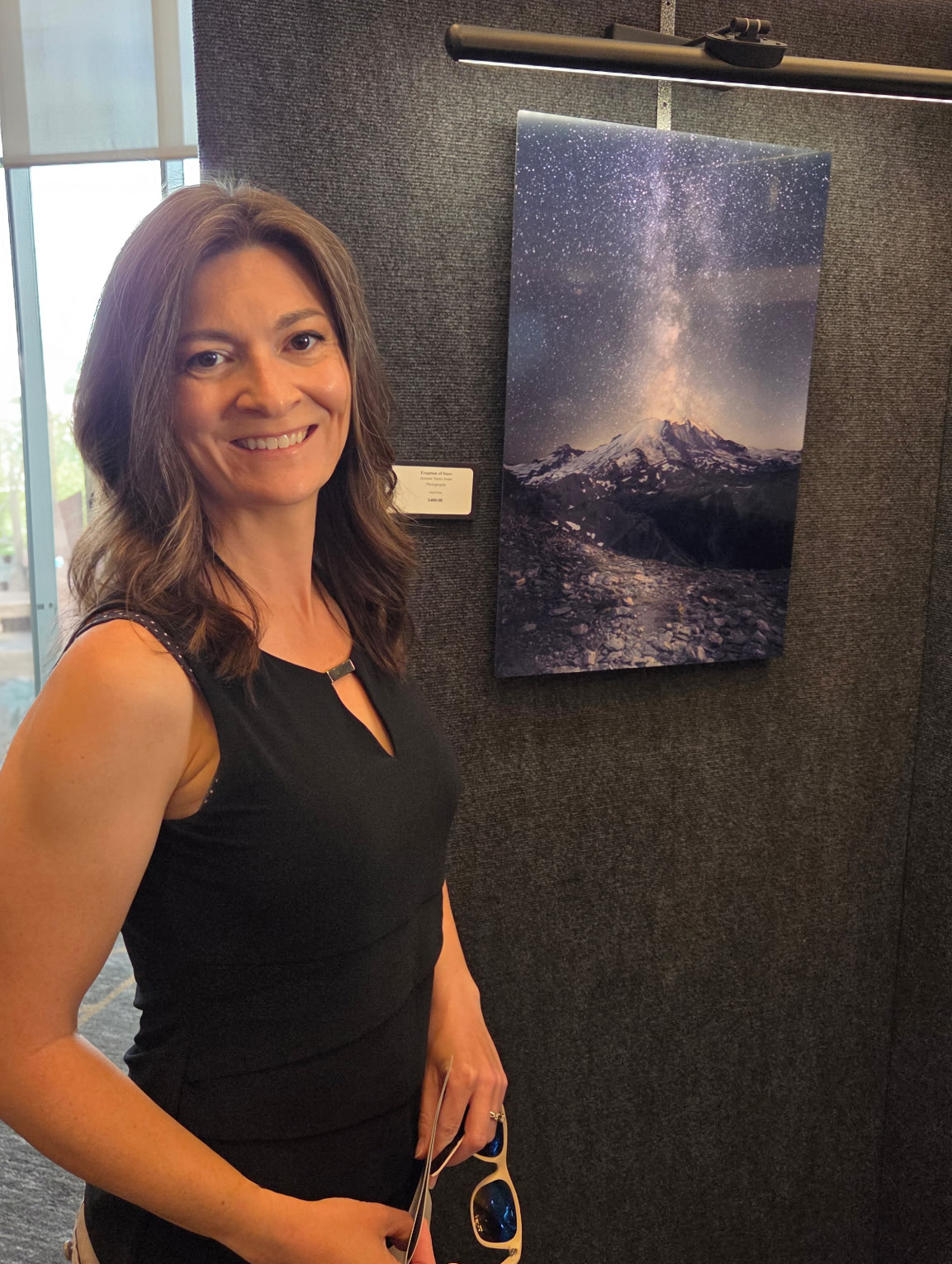
Today we’d like to introduce you to Annette Stiers Jones.
Hi Annette, thanks for joining us today. We’d love for you to start by introducing yourself.
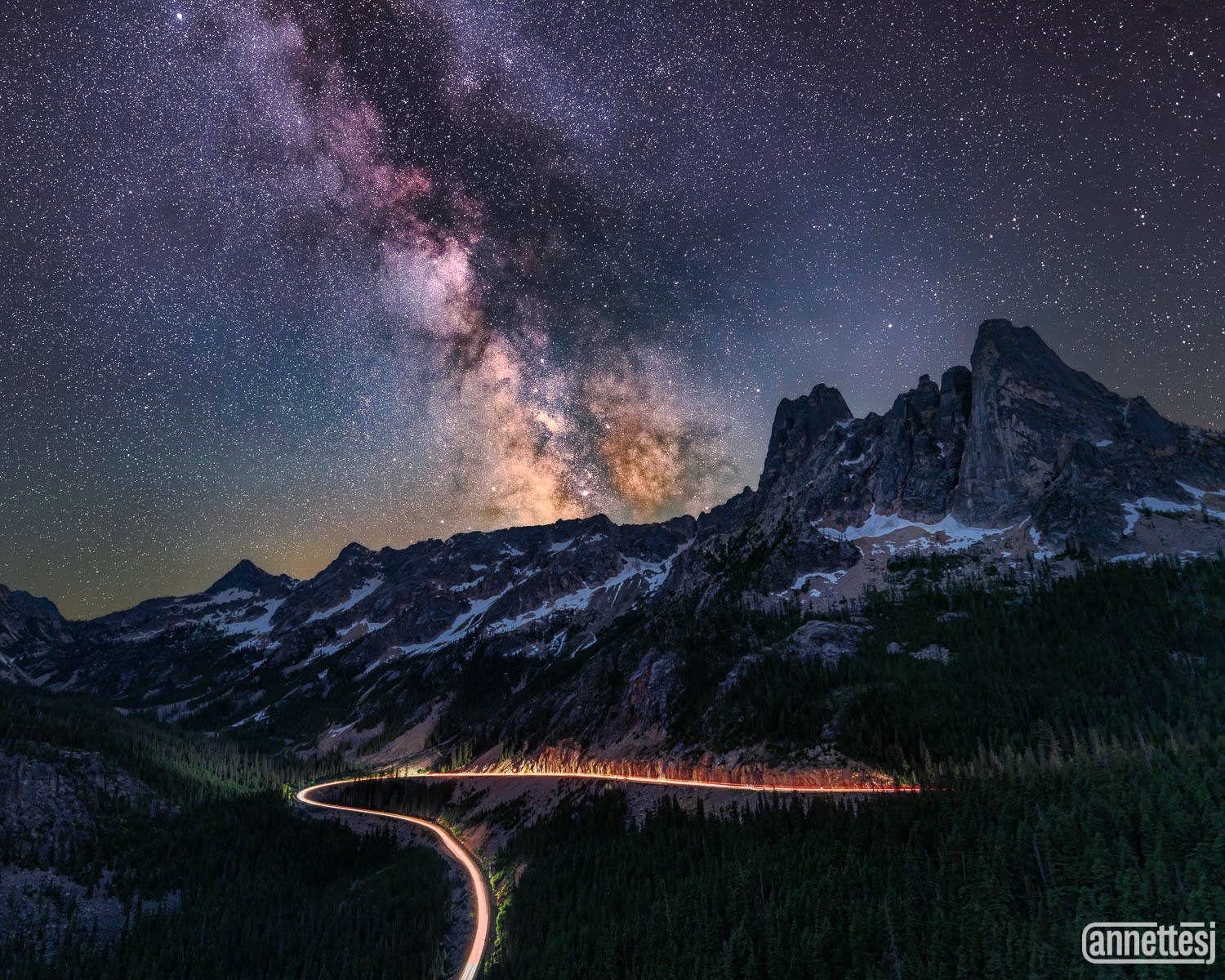
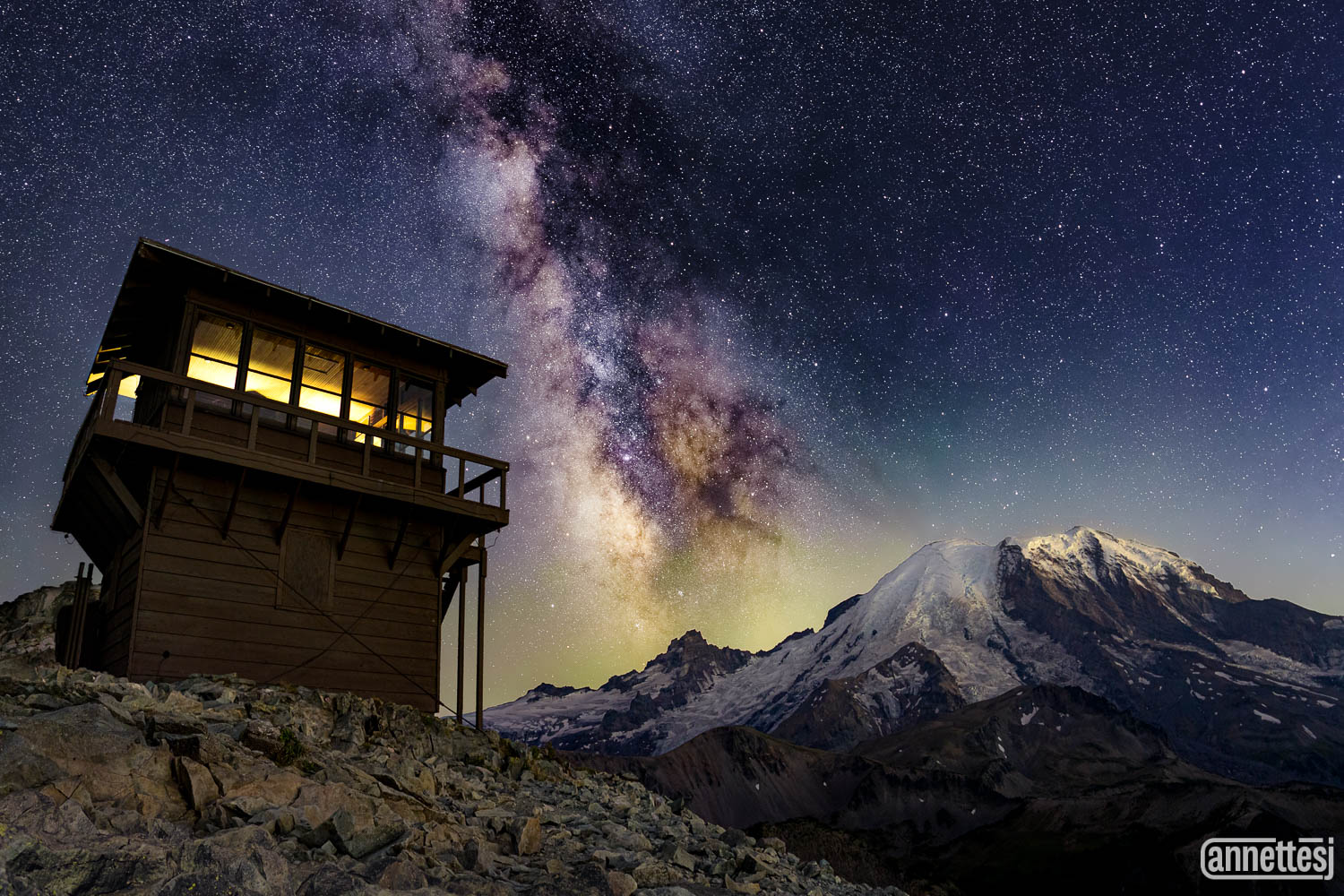
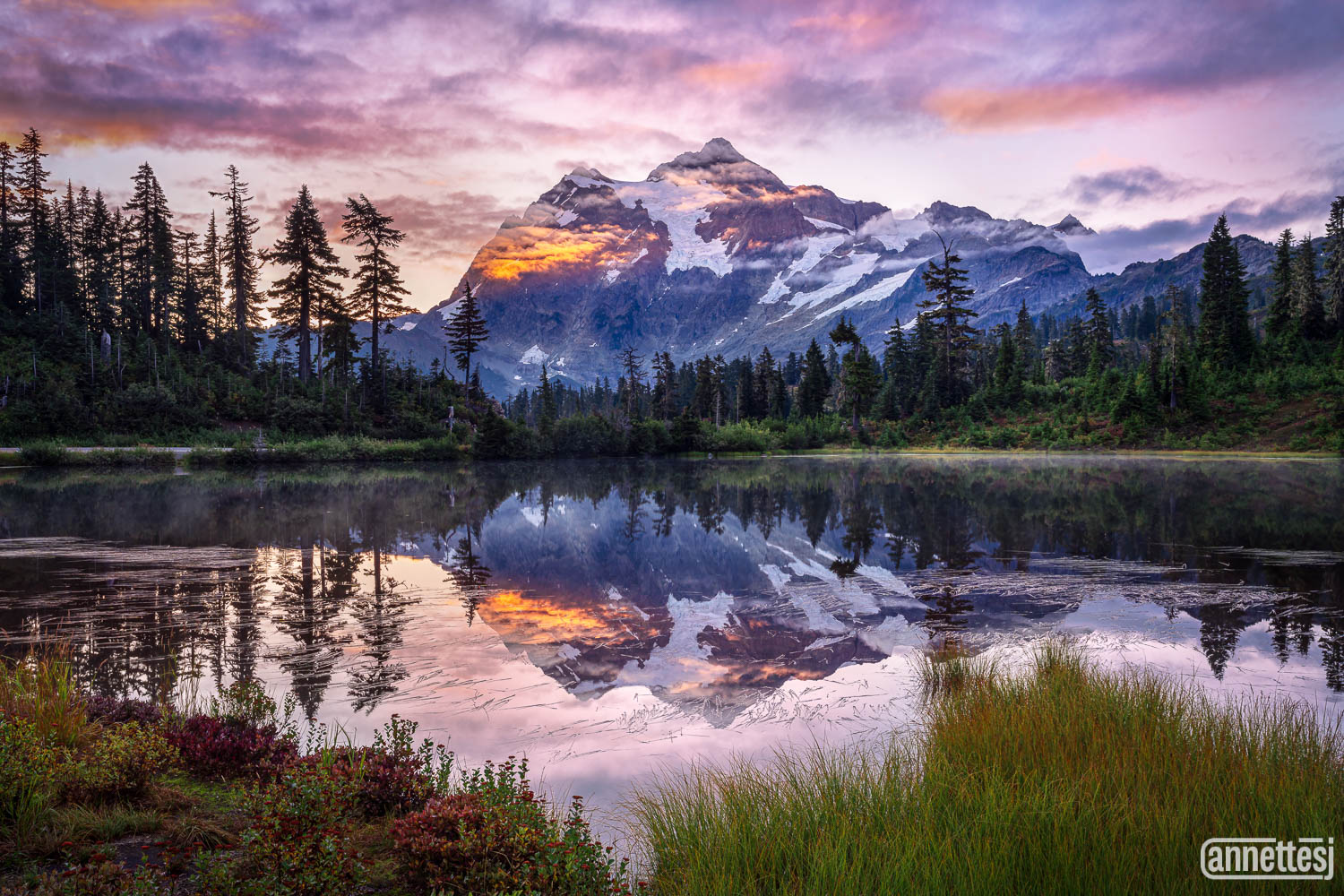
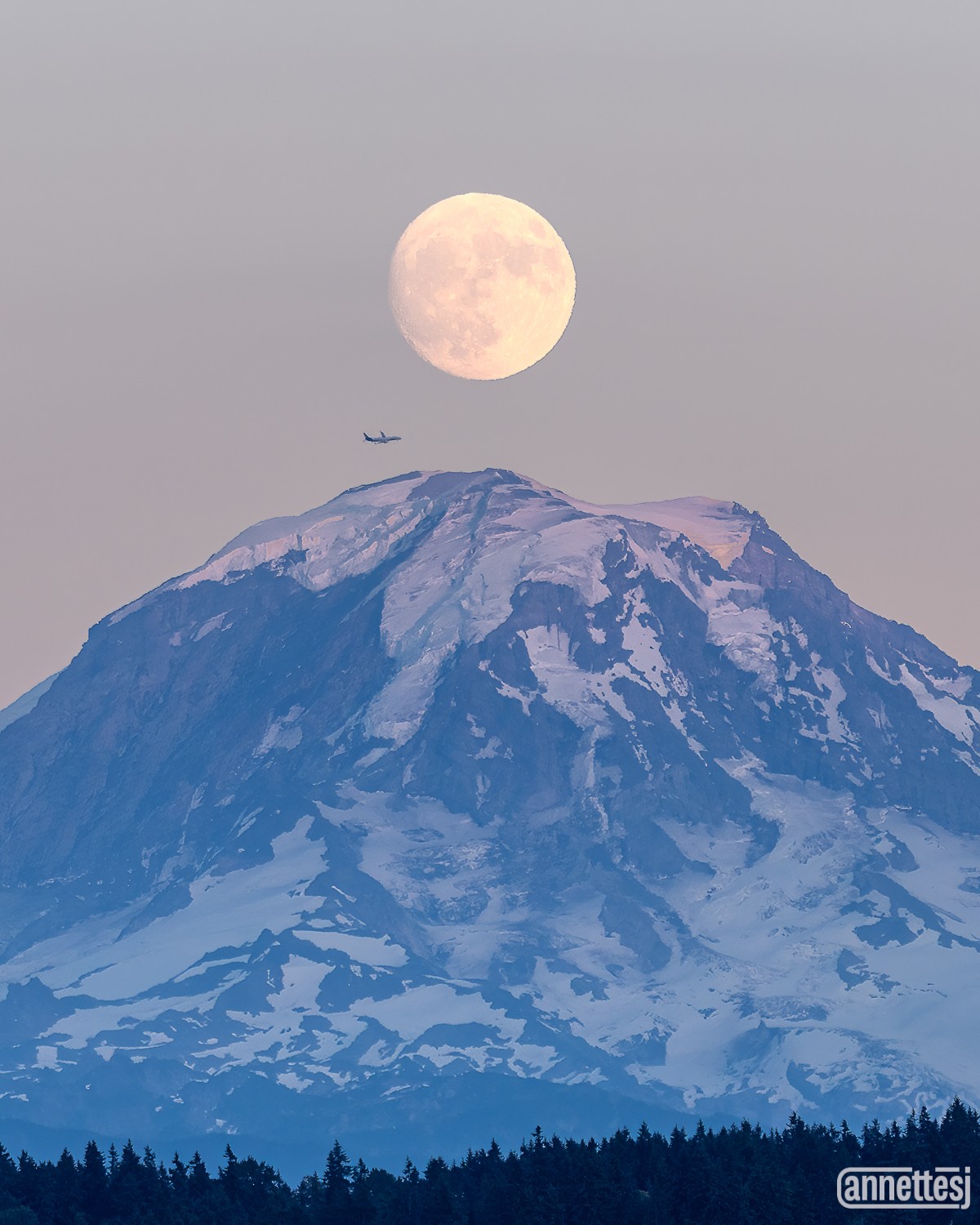
My journey with photography began in childhood in Indiana, where I first picked up a camera through 4-H fair exhibits. Those early experiences sparked a lifelong love of art and storytelling through scenic photographs that captured the world around me. After high school, I pursued a career in science, graduating at the top of my class in Chemical Engineering from Purdue University. My career as an engineer took me to Texas and later to Washington State—a place my husband, Matt, and I first discovered on vacation. We quickly fell in love with the breathtaking beauty of the Pacific Northwest. Little did I know it would someday play a central role in my life’s work as a landscape photographer. Three years ago, I made the decision to leave engineering to pursue a path that brought greater joy and fulfillment. Photography seemed the perfect choice—the intersection of math, science, and art, combined with my love of the outdoors. Leveraging both my technical background and natural artistic instincts, I quickly mastered advanced techniques. For example, I’ve learned everything from capturing fleeting mountain sunsets to photographing the Milky Way, star trails, and rare moon and sun alignments.
Would you say it’s been a smooth road, and if not what are some of the biggest challenges you’ve faced along the way?
t hasn’t been a completely smooth road. Landscape photography, in particular, teaches you very quickly that no amount of planning guarantees the outcome you hope for. You can study weather models, cloud forecasts, moon phases, and light angles, head out with a clear vision for a sunset, the Milky Way, or an aurora—and still have nature rewrite the plan entirely. Clouds roll in at the wrong moment, wind disrupts a long-awaited reflection, or conditions simply don’t align.
Those moments can be frustrating, especially when they involve long drives, early mornings, or late nights, but they’re also essential to the process. I’ve learned that persistence matters as much as preparation. You return to the same places again and again, refining your approach, waiting for the right alignment of light and atmosphere. Eventually, if you keep showing up, those fleeting moments do happen—and when they do, the image carries the weight of all the patience and effort behind it. That balance of unpredictability and perseverance has shaped both my photography and my mindset as an artist.
Appreciate you sharing that. What else should we know about what you do?
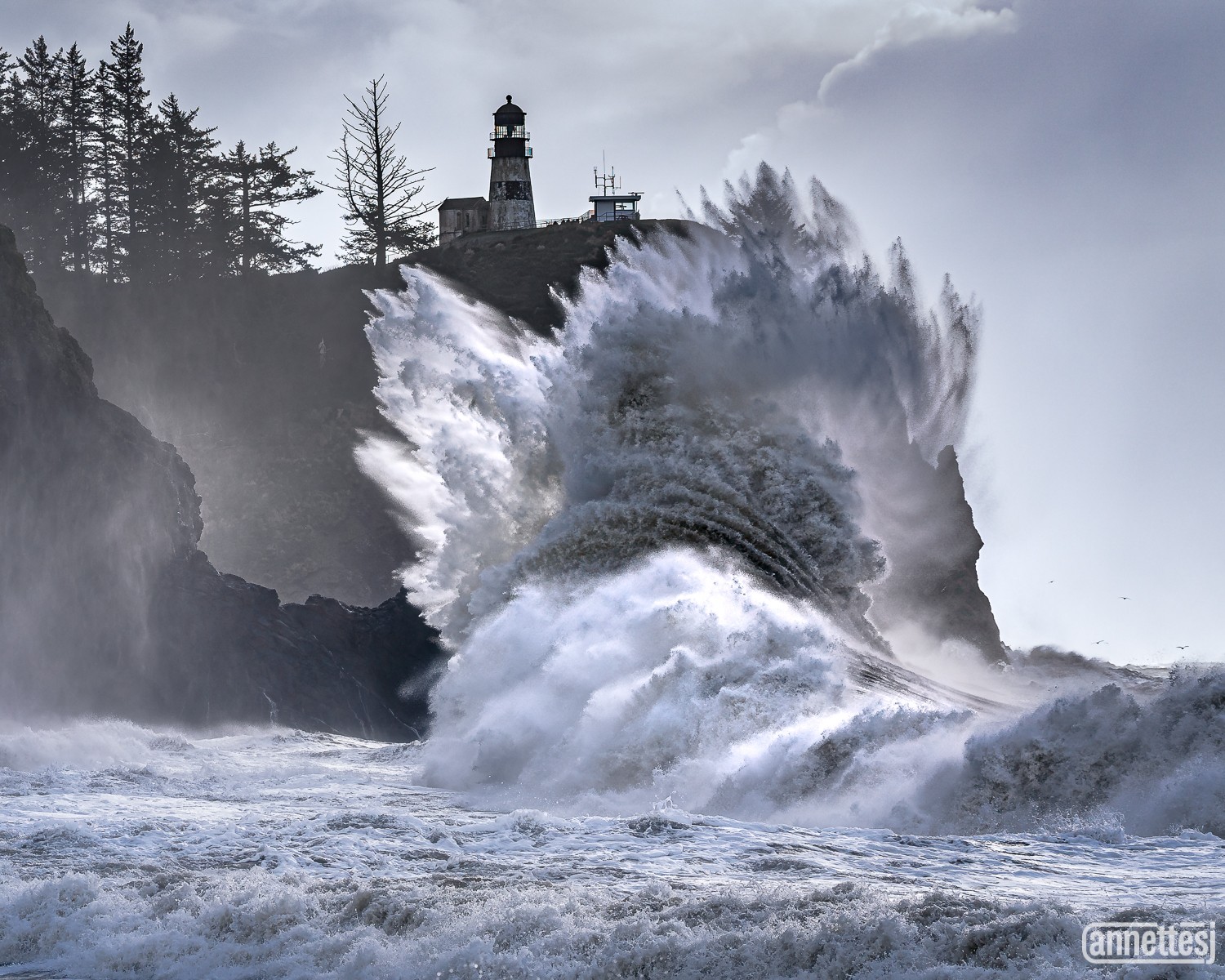
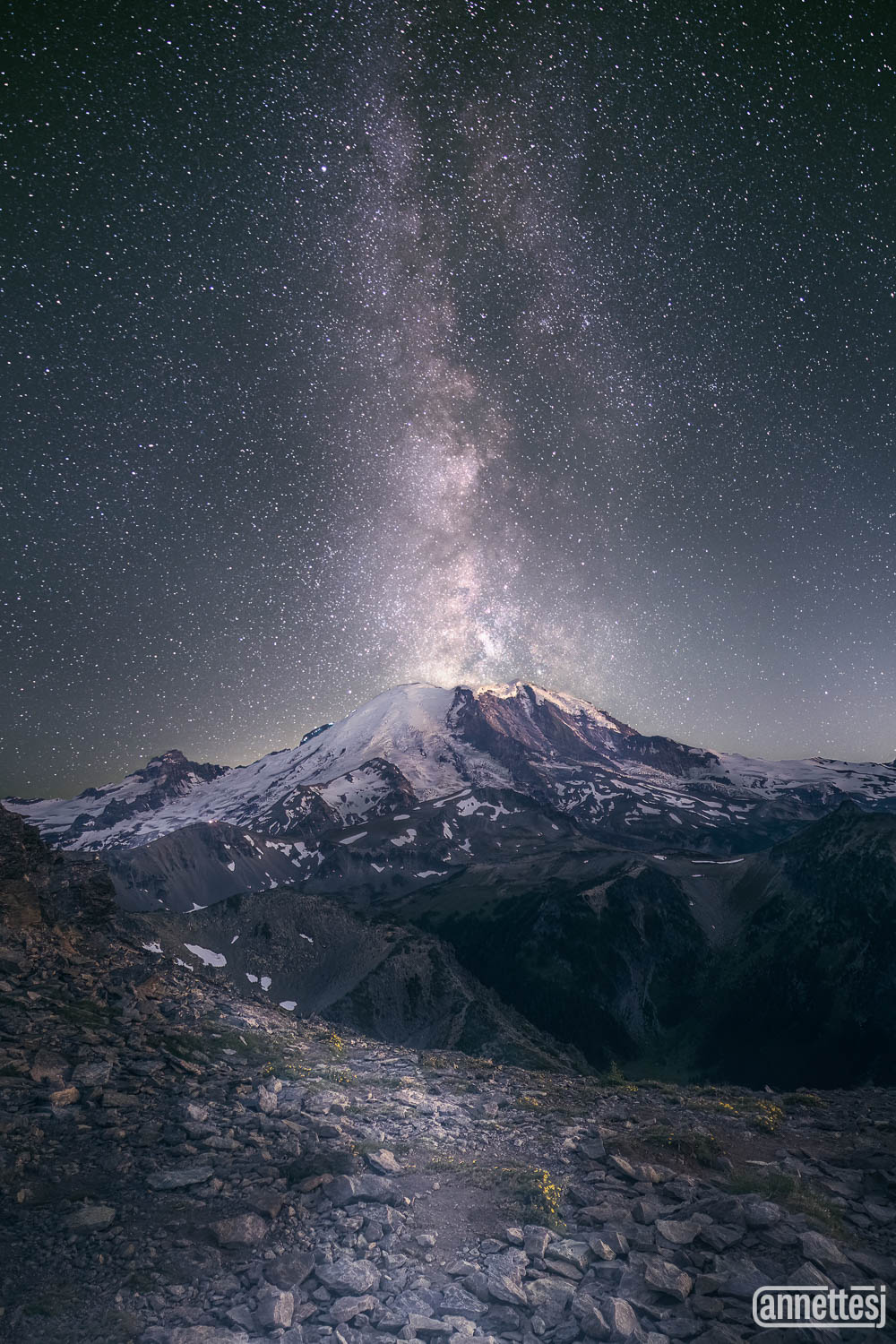
I’m a landscape photographer specializing in the landscapes of the Pacific Northwest. Washington State offers an incredible range of natural beauty, and my work is rooted in capturing these iconic places as they shift with light, weather, and season. I’m especially drawn to moments where atmosphere plays a defining role—whether it’s fog drifting through a forest, water moving through basalt cliffs, or the Milky Way rising over familiar mountain silhouettes.
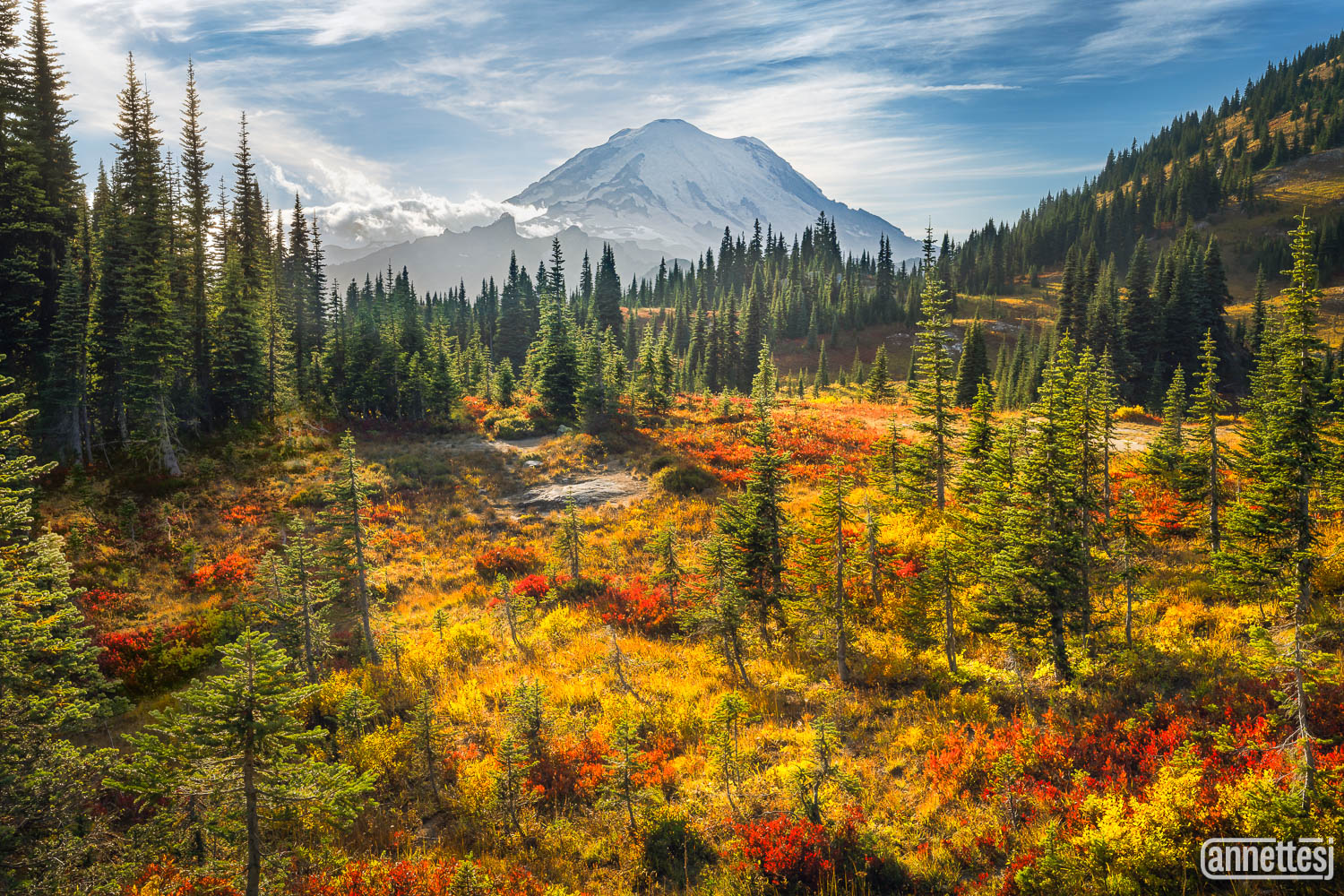
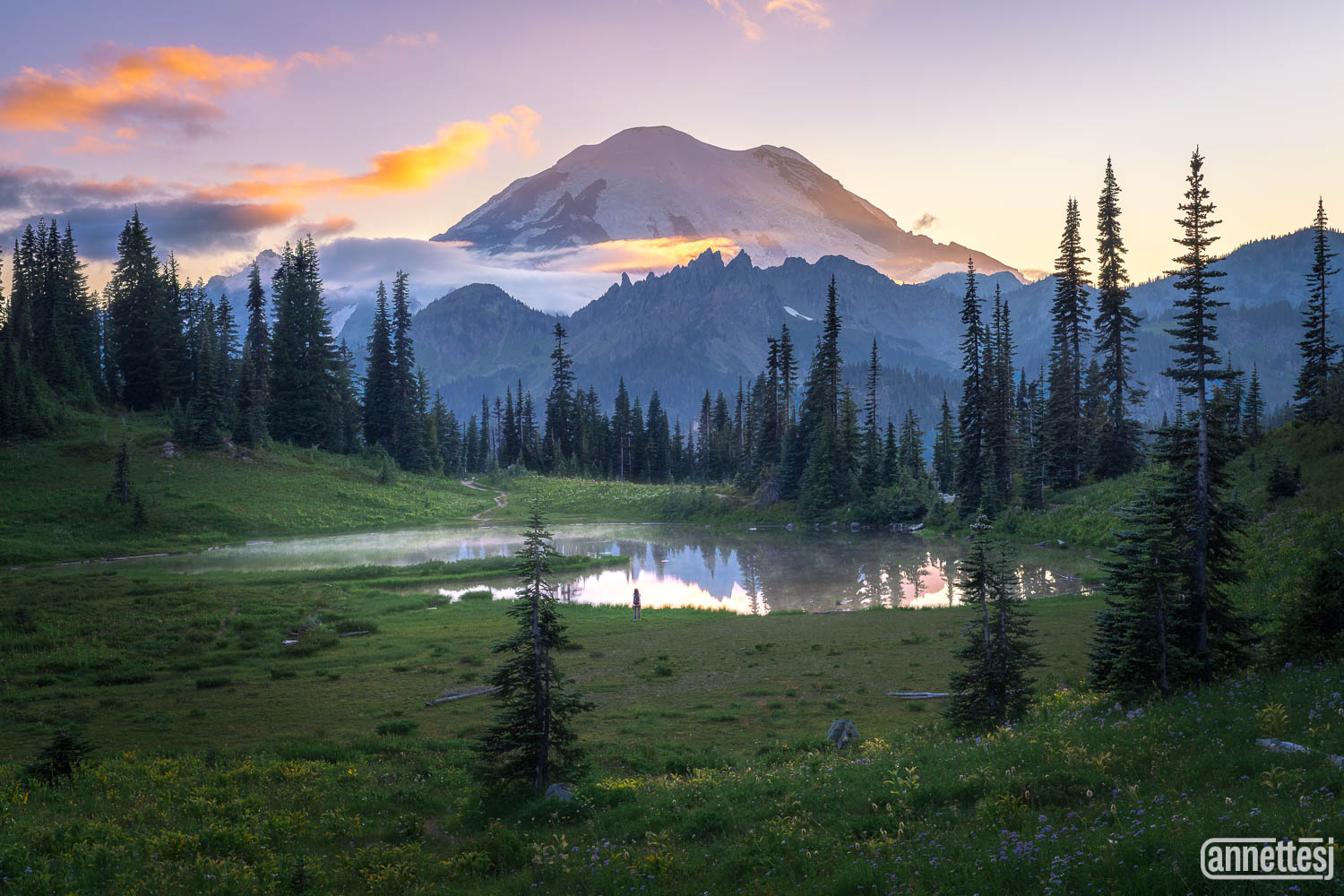
What I’m most proud of is my growing collection of Mount Rainier images and Milky Way photographs. These bodies of work reflect years of returning to the same locations under different conditions, learning the rhythms of the landscape, and waiting for the right alignment of light, sky, and atmosphere. Many of these images were created through persistence and patience rather than chance.
What sets me apart is my commitment to both the creative and technical sides of photography. I’m involved in every step of the process, from careful planning and capture to refined editing and museum-quality print production. My goal is to create work that feels timeless and immersive—photographs that reward closer viewing and invite a lasting connection to the landscape.
Is there any advice you’d like to share with our readers who might just be starting out?
One of the most important things I’ve learned is to stay open to learning from everyone around you. Some of my most valuable lessons have come from chance conversations with other photographers at popular locations—brief exchanges that offered a new way of seeing a familiar place or solving a problem I hadn’t considered. I’ve also learned a great deal through webinars, workshops, online courses, and by joining photographic societies, all of which helped broaden both my technical skills and creative perspective.
I wish I had understood earlier that there isn’t a single “right” path in photography. Everyone brings a different perspective, experience, and approach, and anyone—regardless of their background or skill level—may know something you don’t. Being open, curious, and willing to listen accelerates growth far more than trying to figure everything out alone.
Most importantly, be patient with yourself. Developing a personal style and a strong body of work takes time. Show up consistently, keep learning, and don’t be afraid to ask questions. If you remain open and persistent, your voice will emerge naturally through the process.
Contact Info:
- Website: https://annettestiersjonesphotography.com/
- Instagram: https://www.instagram.com/annettesjphoto/
- Facebook: https://www.facebook.com/annettesjphoto