




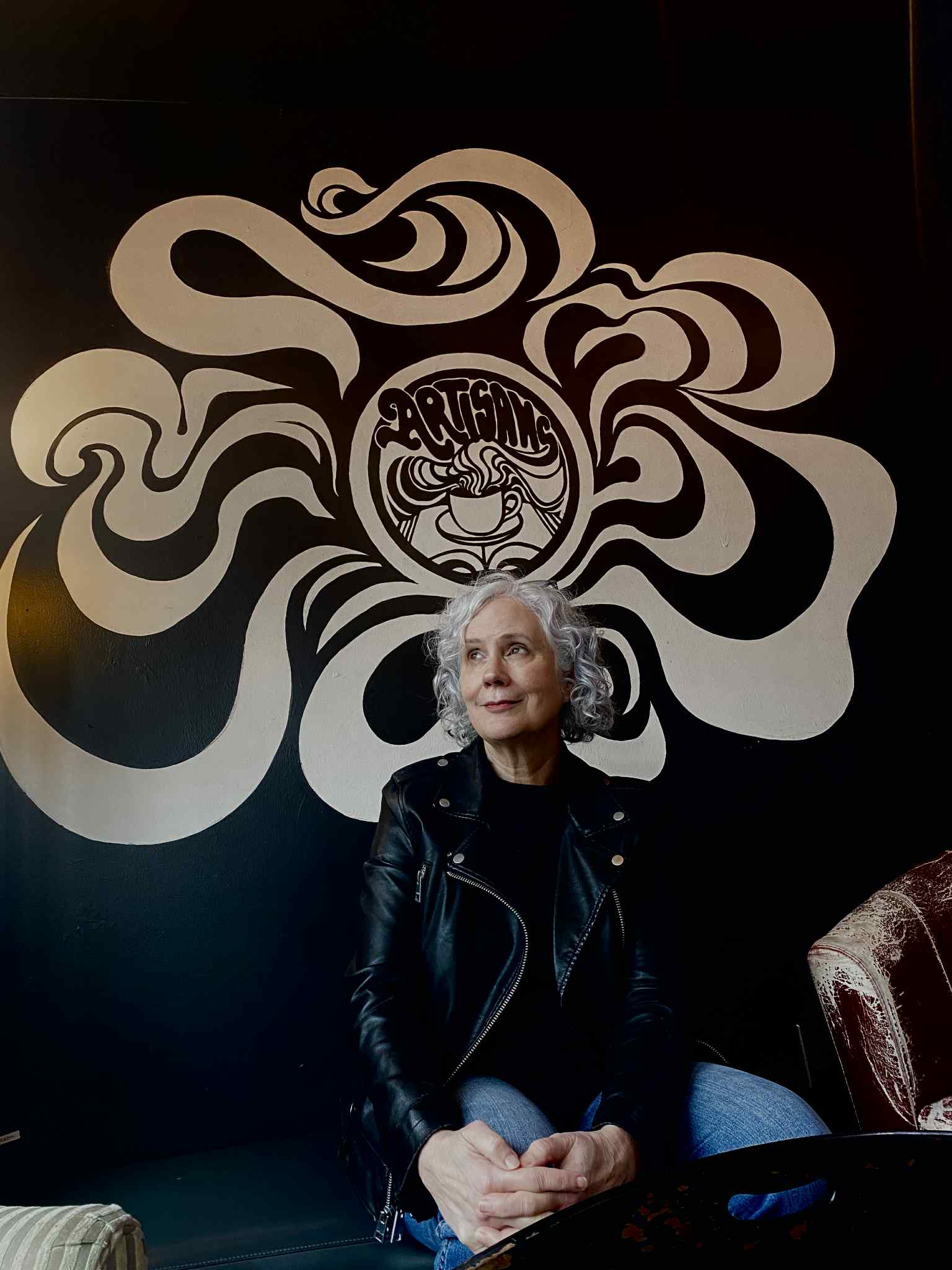
Today we’d like to introduce you to Lya Badgley.
Hi Lya, thanks for joining us today. We’d love for you to start by introducing yourself.
I was born in Yangon, Myanmar, to Montana parents who had fallen in love with Asia after my father was stationed in Japan during the Korean War. My childhood was filled with languages, cultures, and dinner-table conversations that blended art, politics, and curiosity. My mother, an artist, taught me to find beauty everywhere; my father, a political scientist, taught me to ask hard questions about the world.
In the 1980s, I landed in Seattle’s music and arts scene, writing lyrics that later grew into poetry and, eventually, novels. In 1987, everything changed: I was diagnosed with multiple sclerosis. Strangely, that moment freed me. It stripped away fear and gave me a fierce urgency to live fully and tell meaningful stories.
After a failed marriage, I returned to Southeast Asia in the early ’90s. What began as a personal search turned into life-altering work: I documented Burmese insurgents on a clandestine mission, then helped microfilm genocide evidence at Cambodia’s Tuol Sleng Museum for Cornell University’s Archival Project. Later, I managed the first foreign-owned restaurant project of its kind in Yangon, navigating red tape, blackouts, and hope in a country on the edge of change. Unfortunately, for the people of Myanmar, that opportunity for real change has yet to materialize.
Today, I’m a novelist, mother, former city council member, and environmental activist. I write international, plot-driven suspense about women facing impossible odds, drawing deeply from the places I’ve lived and the histories that refuse to be forgotten. For me, writing is not a career—it’s a calling, a way of honoring the stories that shaped me and the people who trusted me with theirs.
Alright, so let’s dig a little deeper into the story – has it been an easy path overall and if not, what were the challenges you’ve had to overcome?
It has been anything but smooth—and I’ve come to believe that’s where the real story lives. Every meaningful chapter of my life has come with resistance, uncertainty, and moments when it would have been far easier to turn back.
The first major reckoning was my diagnosis with multiple sclerosis in my thirties. Overnight, my body felt unreliable, and the future I had assumed was suddenly fragile. There were years of fear, grief, and physical limitation—but also a deep inner shift. MS taught me how precious time is and how brave you become when you stop pretending you’re invincible.
Living and working overseas brought its own challenges. In Myanmar and Cambodia, I witnessed poverty, repression, and trauma up close. I navigated foreign bureaucracies, cultural misunderstandings, political instability, and personal loneliness. Opening a restaurant in Yangon meant sitting for hours in suffocating offices, facing laws written in another century, power outages, and constant uncertainty. Yet those same hardships taught me patience, humility, and resilience.
As a writer, rejection has been a quiet but constant companion. There are long stretches of self-doubt, unfinished drafts, and the sense that my stories might never find a home. Writing about disruption, loss, and moral ambiguity is not always commercially easy or emotionally light.
And still, I kept going. I learned that struggle is not a detour—it is the path. Each obstacle shaped my voice, sharpened my purpose, and reminded me why I write: to make meaning from the broken places and to find beauty where it is least expected.
As you know, we’re big fans of you and your work. For our readers who might not be as familiar what can you tell them about what you do?
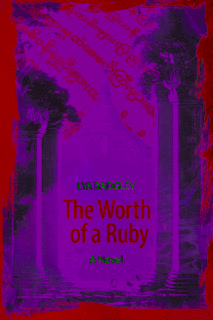
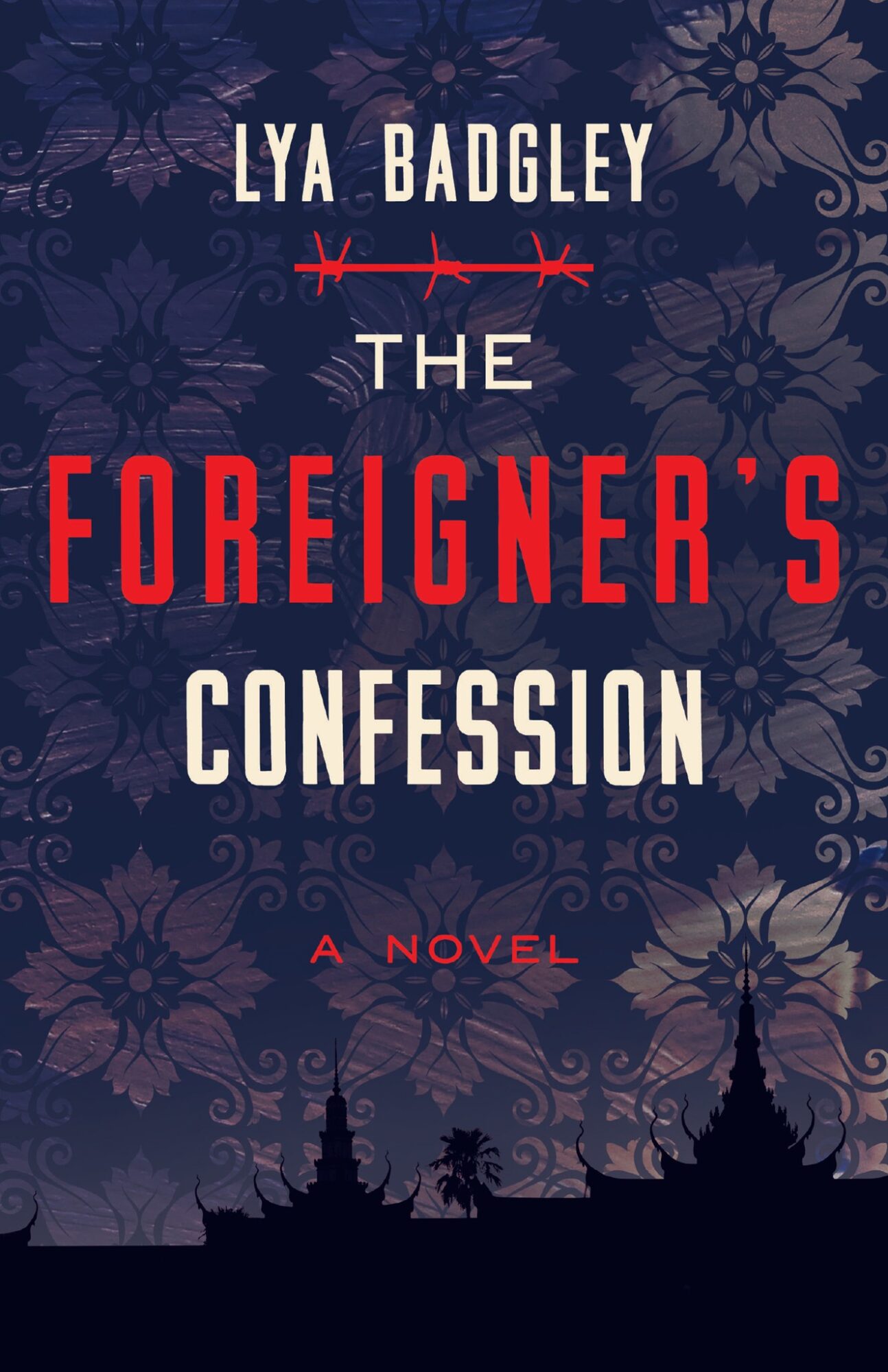
I write international, plot-driven literary suspense—stories that live at the intersection of personal reckoning and historical memory. My novels are set in places shaped by conflict—Cambodia, Myanmar, and Bosnia—where the past is not something that stays buried, but something that seeps into the present and demands to be faced. I’m drawn to women who are forced into moments of moral courage, whose lives change when they confront what has been hidden, silenced, or denied.
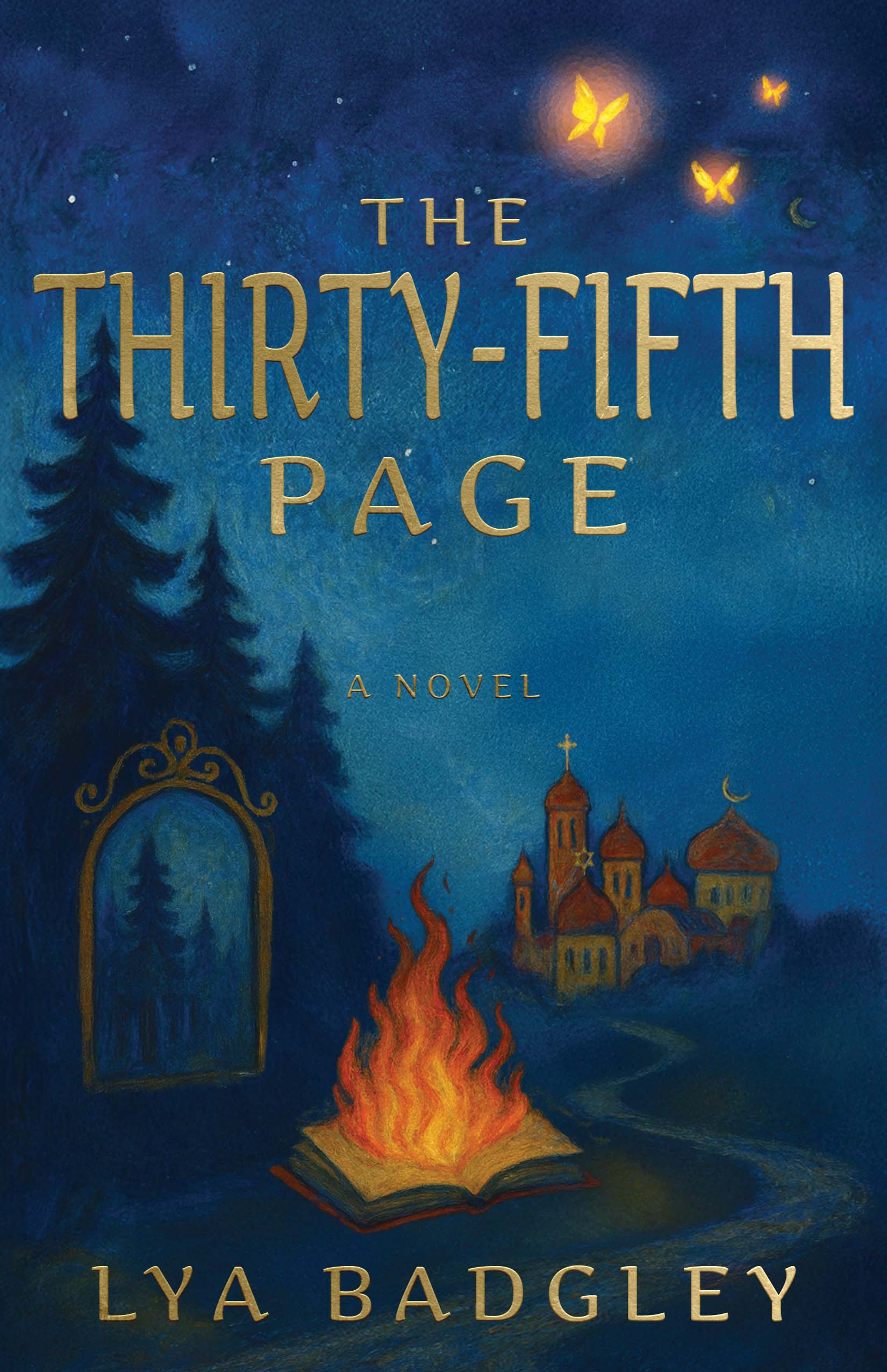
What I’m known for is weaving real history with emotional depth, and—more recently—touches of magic realism that reflect how myth, memory, and trauma coexist in the human psyche. My books explore how beauty and brutality can live side by side, and how ordinary people can be capable of extraordinary resilience, and sometimes, terrible choices. I often say I write about the shadows of the heart and the stories we inherit.
I’m most proud that my work has connected with readers across cultures and backgrounds. When someone tells me that a book helped them see a place—or a part of themselves—differently, that feels like the greatest reward.
What sets me apart is that I don’t write these worlds from a distance. I have lived in them. I have sat in rooms where history was being preserved, witnessed its aftermath in daily life, and listened to people whose stories rarely reach the page. Those experiences shape my voice and give my writing an authenticity that is deeply personal. I don’t just imagine these landscapes—I carry them with me, and I write from inside them.
Can you share something surprising about yourself?
Most people are surprised to learn that I’m an introvert.
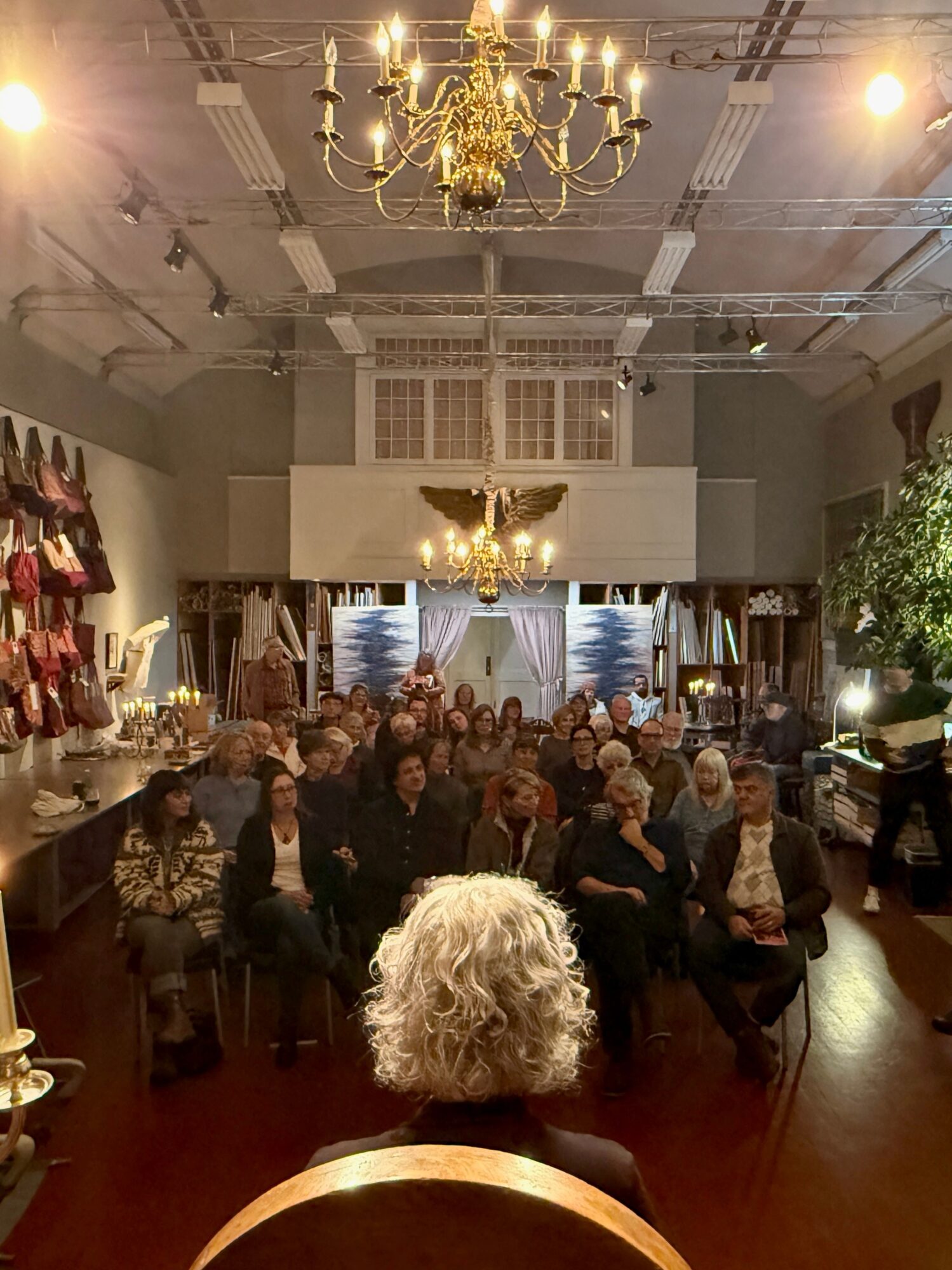
Because my life has been outward-facing—traveling, opening businesses, speaking publicly, interviewing people in dangerous places, and now promoting my books—it can look as though I’m endlessly social and energized by being “on.” In truth, those moments draw deeply from a quiet internal well. I can stand on a stage, host a table at a festival, or speak to a room full of strangers—but afterward, I need solitude like oxygen.
My creative life happens in stillness. I observe more than I speak. I listen for what is not being said. That inward focus is where my characters, my landscapes, and even my sense of meaning take shape.
Introversion has never felt like a limitation to me; it feels like a secret strength. It allows me to sit with complexity, to hold silence, to notice small details that might otherwise be missed. I think it’s also why my work leans toward emotional depth rather than spectacle. I’m less interested in noise than in what lives beneath it.
So while readers may associate my work with faraway places, dramatic histories, and bold choices, the truth is that everything begins in a very quiet place—inside a woman who needs silence in order to hear the world clearly.
Contact Info:
- Website: https://lyabadgley.com
- Instagram: https://www.instagram.com/lyabadgleyauthor/
- Facebook: https://www.facebook.com/lyabadgleyauthor