


Today we’d like to introduce you to Eleni Falangus Duffy.
Hi Eleni, we’re thrilled to have a chance to learn your story today. So, before we get into specifics, maybe you can briefly walk us through how you got to where you are today?
I’ve always been an artist, though my early career took shape in a different medium. I studied costume design and spent over a decade working in the film industry in Los Angeles, where I learned the discipline of craftsmanship, storytelling, and designing with intention under tight timelines.
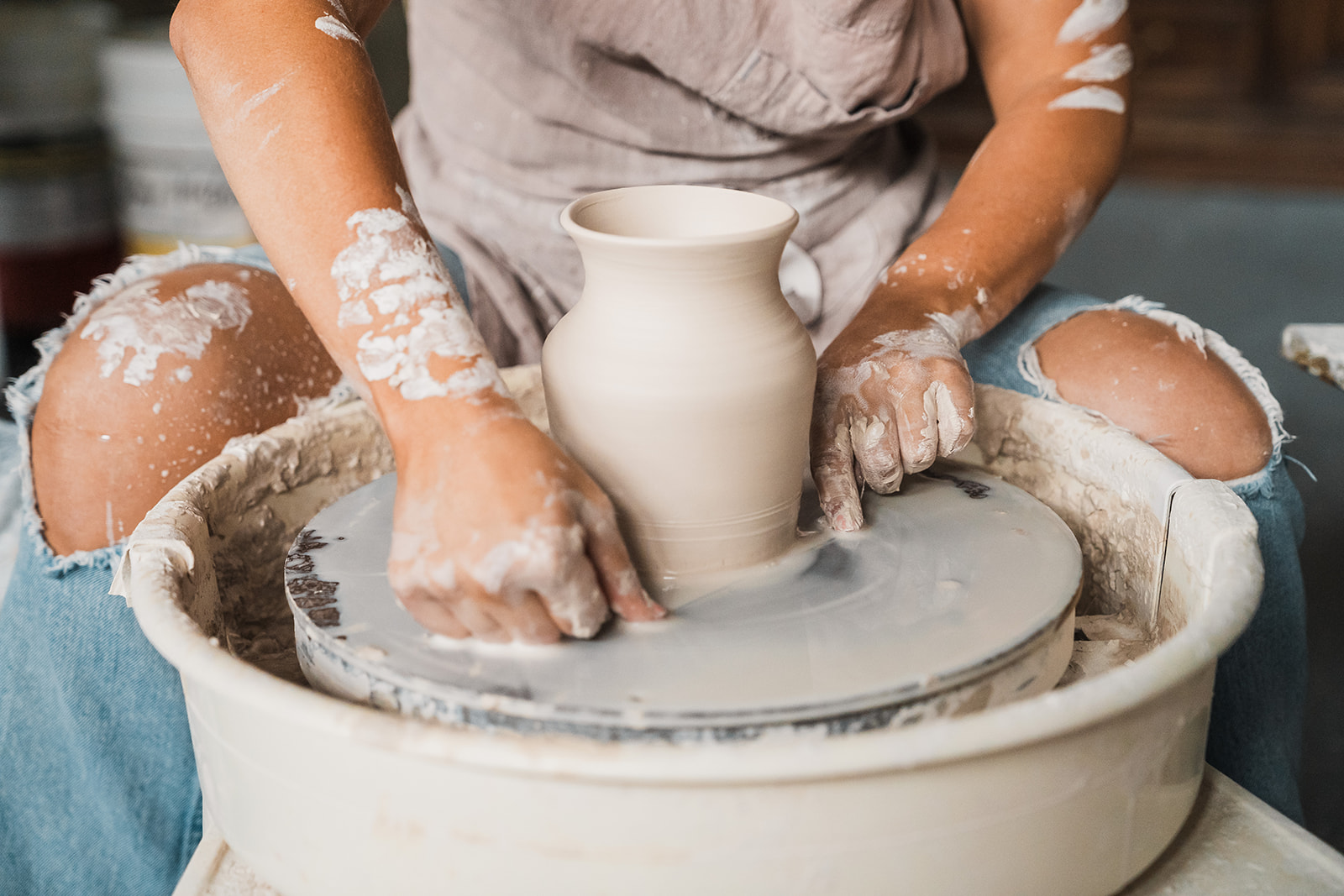
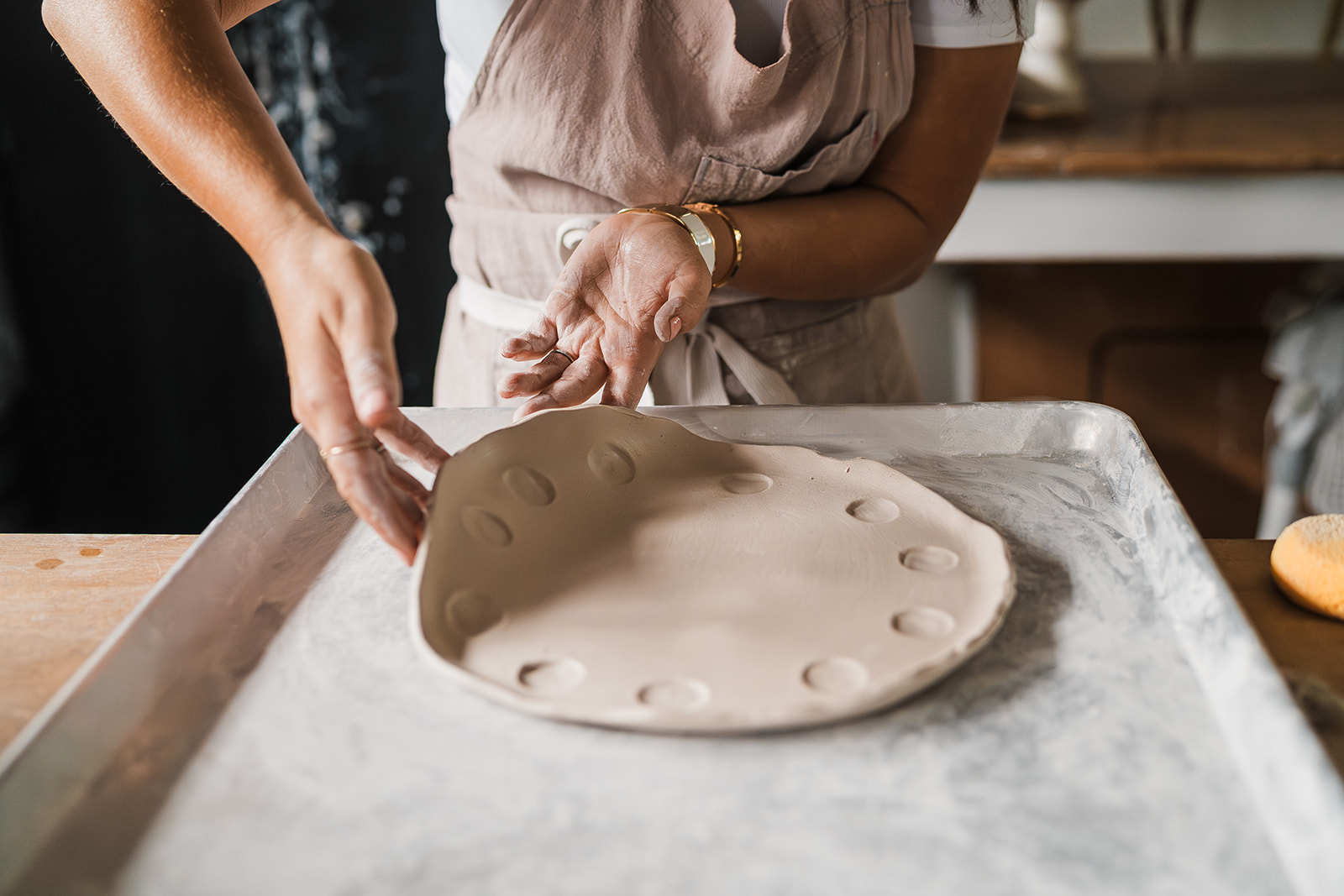
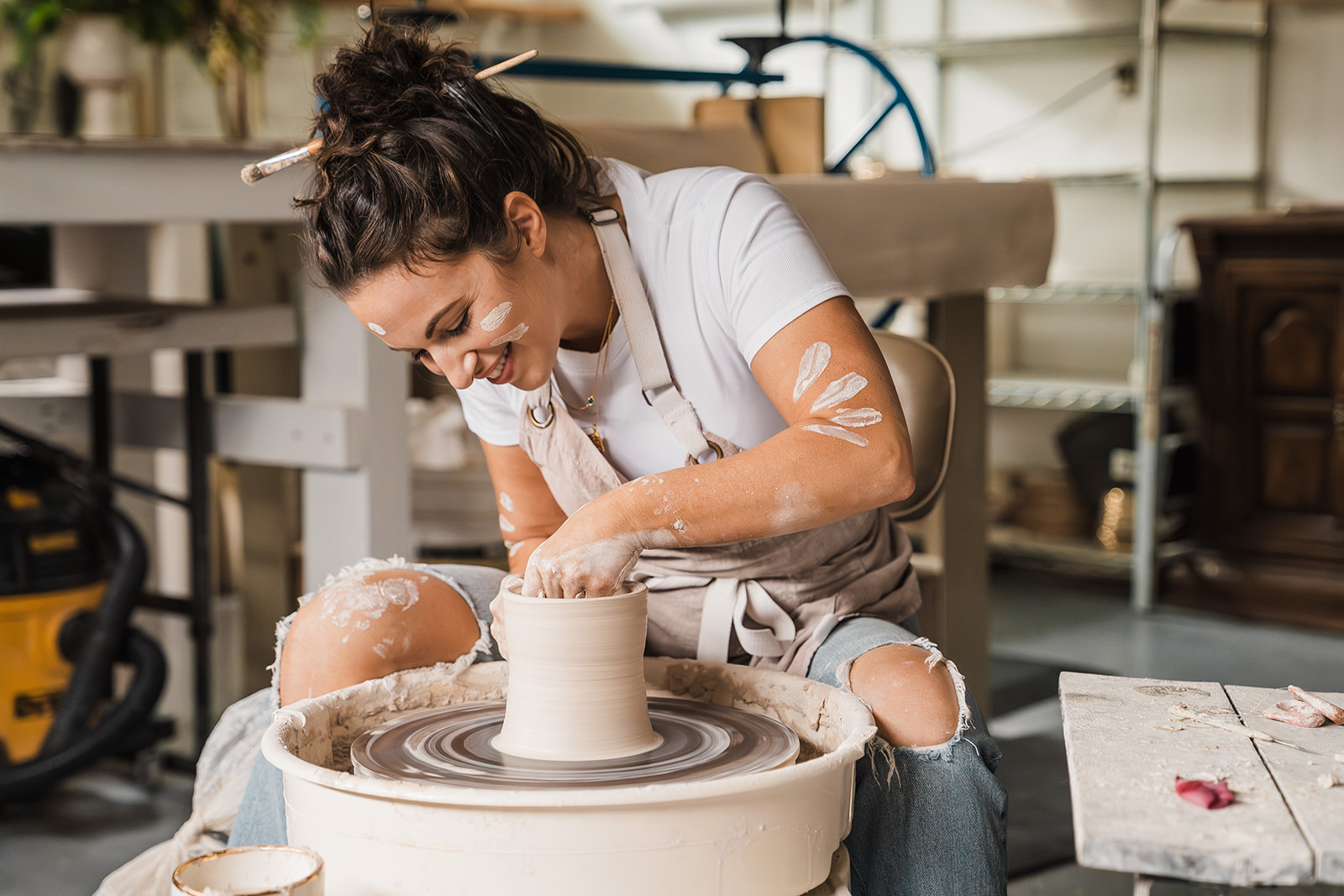
Pottery, however, has always been part of my life. My mother was a ceramic teacher in the Seattle school districts and taught me to work with clay at a young age. It remained a steady presence in the background until the film industry shut down in 2020 and I experienced a physical injury that forced me to slow down. I returned to clay as a way to reconnect with making in a more personal, tactile way.
What began as a creative outlet in my garage gradually grew into a small business, as I started creating functional pieces for my own home, then for friends, and eventually for a wider community.
Today, my work lives at the intersection of function and emotion. I create pottery and artist tools meant to be used daily, pieces that quietly hold rituals, creativity, and everyday life. I’m always growing as an artist, and this year I’m intentionally expanding my practice to include more sculptural work. These pieces are more emotional in nature, and I can’t wait to debut them as part of my evolving collections.
Can you talk to us a bit about the challenges and lessons you’ve learned along the way. Looking back would you say it’s been easy or smooth in retrospect?
It hasn’t been a smooth road, but I don’t think meaningful creative paths ever are. Building a handmade business comes with constant challenges, from the physical demands of working with clay and kilns to the uncertainty of income and the pressure to grow without losing the integrity of the work.
There were also very real personal hurdles. Learning to slow down after injury, navigating the shift from a fast-paced film career to a quieter, self-directed studio life, and later balancing motherhood with running a small business all required adjustment. There were moments of doubt, exhaustion, and learning things the hard way.
That said, those struggles shaped the work in important ways. They taught me patience, boundaries, and how to build a practice that’s sustainable both creatively and personally. The challenges are still there, but I’ve learned how to meet them with intention rather than urgency.
Appreciate you sharing that. What else should we know about what you do?
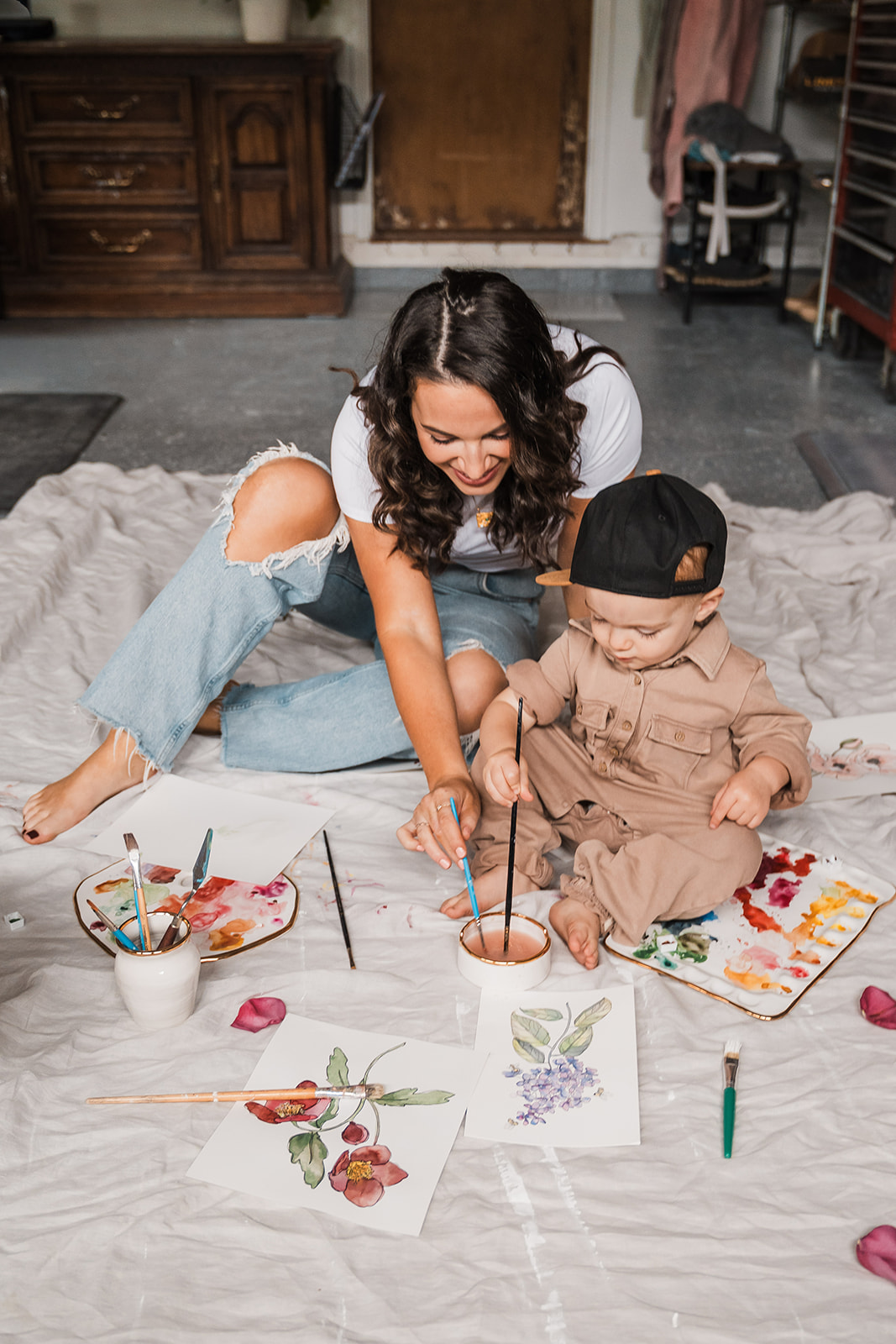
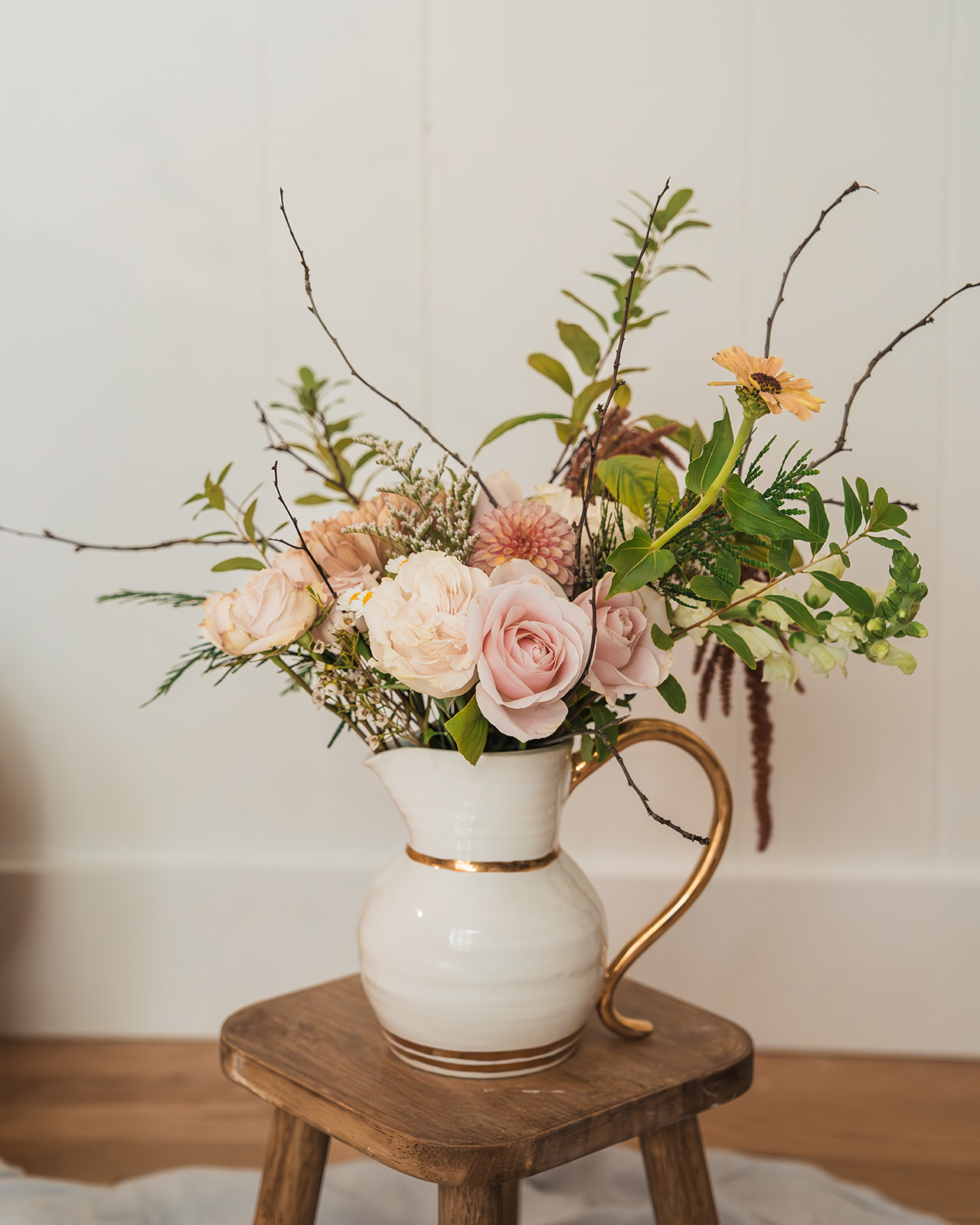
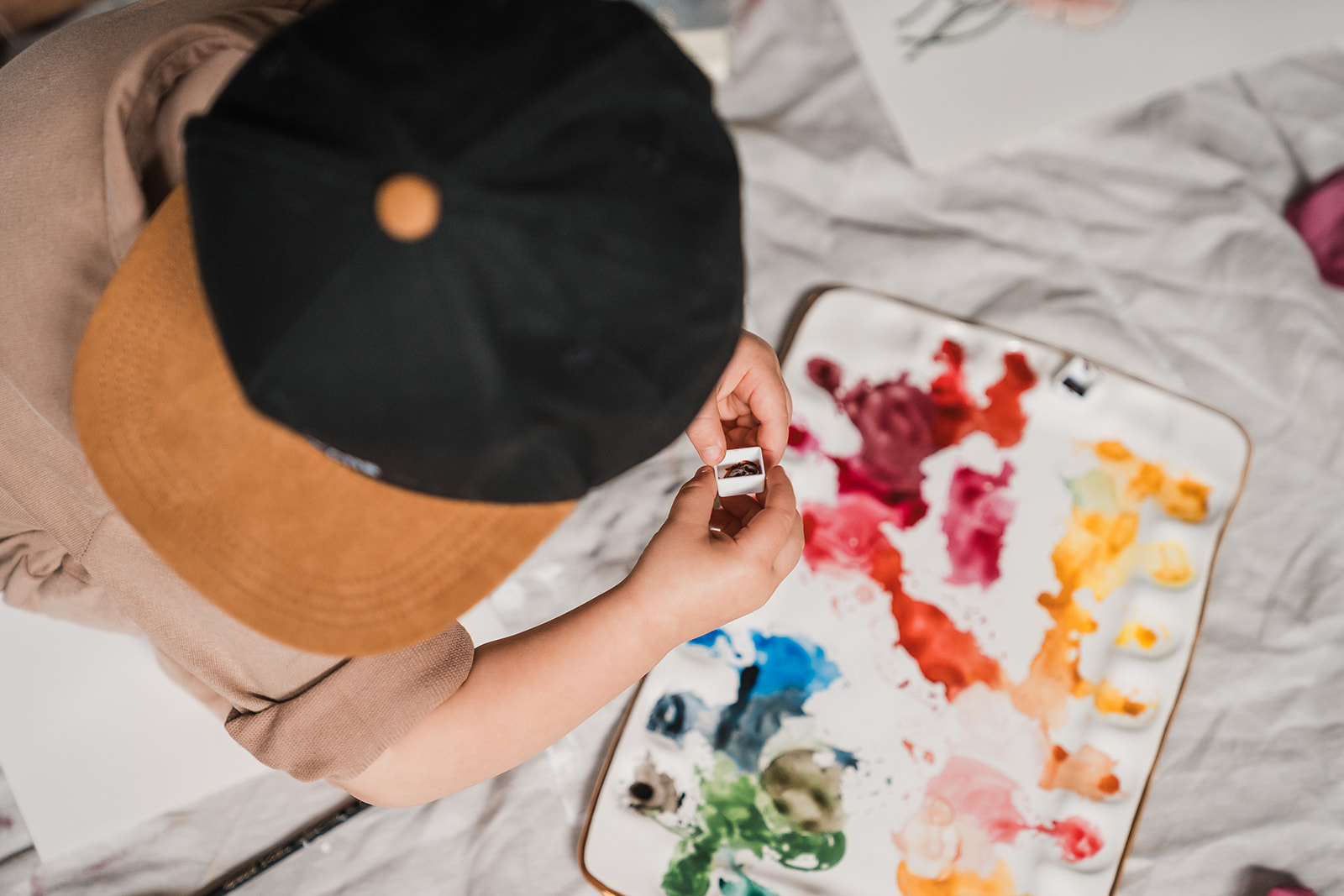
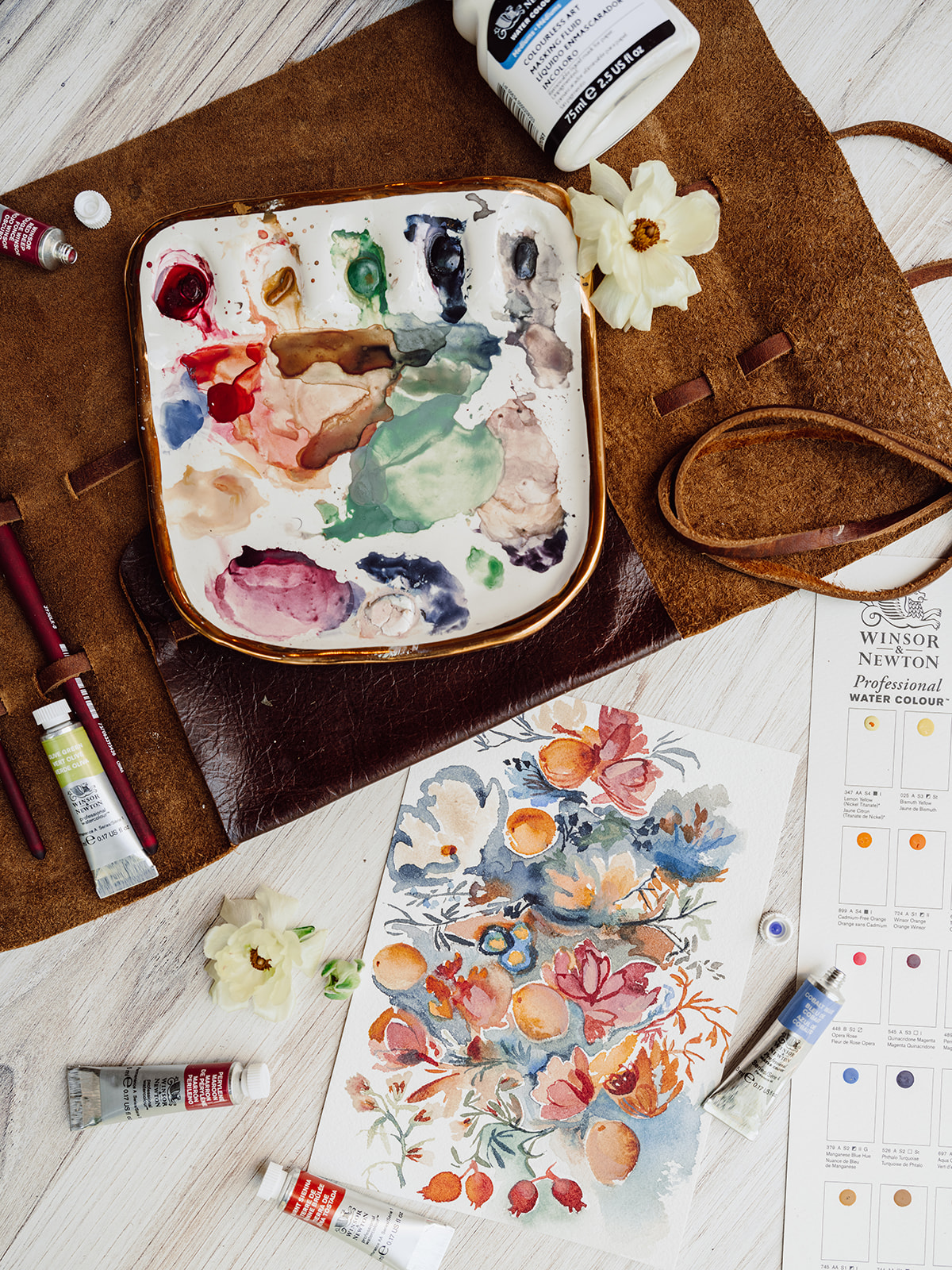
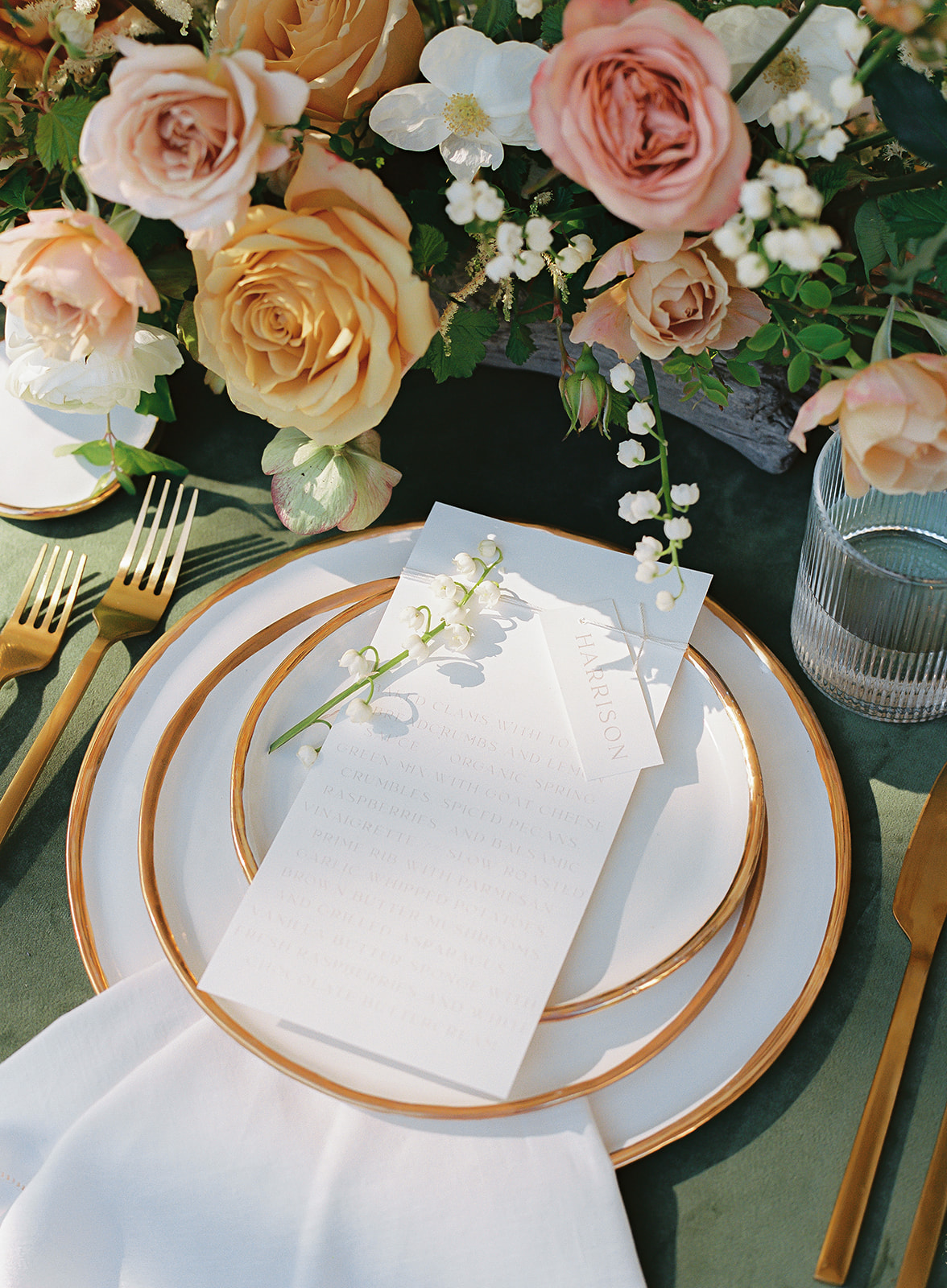
My work centers on creating functional ceramics and artist tools that live comfortably in everyday life while still feeling special. I specialize in small-batch pottery and watercolor palettes designed with both beauty and usability in mind. Each piece is handmade with close attention to form, balance, and detail, often finished with subtle touches like hand-painted gold that elevate the object without overpowering it.
I’m known for pieces that feel quietly intentional. My palettes, in particular, have become something of a signature. They’re designed to support creative flow rather than interrupt it, and many artists tell me they become staples in their daily practice. I also name my pieces after women who have inspired me, which has become a meaningful way to honor creativity, connection, and lineage.
This year, my work is expanding into a new sculptural collection that explores the power of women through life and the experiences that shape us, including motherhood and the empowerment that comes with it. These sculptural pieces are more emotional in nature and form the foundation of the collection. From them, I’m also creating functional homeware and palettes inspired by the finished sculptures, allowing those forms and ideas to live on as vases and everyday objects that can be part of the home.
What I’m most proud of is building a business that remains deeply personal while continuing to grow. Everything is still made in small batches, by hand, with care, and with an emphasis on community over scale.
What sets my work apart is the balance between function and feeling. These aren’t objects meant to sit on a shelf. They’re meant to be used, lived with, and to quietly carry moments of creativity, gathering, and daily ritual.
If you had to, what characteristic of yours would you give the most credit to?
The quality that’s been most important to my success is persistence paired with patience. I’ve learned to keep showing up to the work even when progress feels slow, and to trust that growth doesn’t need to be rushed to be meaningful.
Building a handmade practice requires tolerance for uncertainty, repetition, and learning through trial and error. There have been many moments where the easier path would have been to speed things up or compromise, but staying patient and committed to the integrity of the work has allowed the business to grow in a way that still feels aligned.
That steadiness, more than any single skill, has made it possible to keep moving forward while staying true to why I started.
Pricing:
- Pricing reflects more than size alone and takes into account material use, kiln space, yield rates for different forms, the time and artistry required for each piece, and the amount of hand-applied 22k gold used in the finish
- All work is handmade in small batches, which is reflected in the pricing
- Watercolor palettes typically range from $100–$300, depending on size and design
- Functional homeware pieces range from $58–$350, depending on scale and detail
- Sculptural works are priced individually and vary by piece
Contact Info:
- Website: https://potterybyeleni.com/
- Instagram: https://www.instagram.com/pottery_by_eleni/
- Facebook: https://www.facebook.com/potterybyeleni
- Youtube: https://www.youtube.com/@PotterybyEleni
- Other: https://www.pinterest.com/potterybyeleni/